
Vandaag of morgen in huis

Kwaliteit gegarandeerd

Welkomstaanbiedingen ontgrendelen: GRATIS bezorging | Tot 80% korting | Gratis 30 dagen JoyPlus-proefperiode
Download de app
Looking to buy frozen fruit for smoothies, breakfast or desserts? The choice may seem straightforward, but packaging can hide important differences. A low price per kilo, for example, doesn’t mean much if you usually use small portions or the fruit doesn’t work well in your recipe once defrosted.
The most common pitfalls:
With frozen berries, such as frozen raspberries, frozen blueberries and blackberries, it’s important to know whether you’re buying a single fruit or a mixed blend. A product listing “raspberries” as its ingredient gives you different information from a forest fruit mix, whose exact fruit varieties may vary.
For exotic frozen fruit, check the variety and origin too. Passion fruit pulp in cubes, for example, lists Passiflora edulis and Vietnam as its origin. For products containing coconut, jackfruit or durian, it’s also worth checking whether they’re made from 100% fruit or contain other ingredients.
Pack sizes vary considerably:
Compare the price per 100 grams or per kilogram, rather than just the price per bag. A larger pack is only good value if you can use it within the recommended storage period without losing quality.
For many products, the information states: keep frozen, refrigerate after defrosting and do not refreeze. The exact temperature is shown on the packaging. Passion fruit pulp in cubes, for example, has a stated storage temperature of -18 °C.
Use frozen fruit straight in a smoothie if your blender is suitable. For a dessert, topping or snack, you can let it defrost in a controlled way. Bear in mind that soft fruit, such as raspberries, has a different texture from fresh fruit once defrosted. That’s usually not a problem for sauces, compote and smoothies.
Check the nutritional information too. Values can vary by brand, fruit type and pack. Always refer to the label on the product you buy. A brand’s claims about flavour, freshness or retaining nutrients aren’t a general guarantee, so check the product description and packaging.
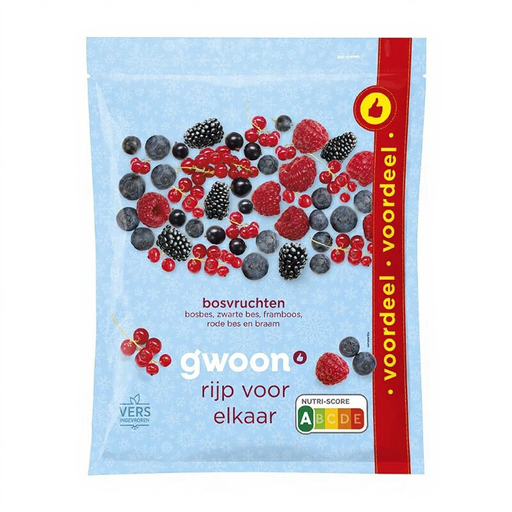
Why it suits this profile: The 750-gram pack is suitable for households that regularly use fruit in smoothies and desserts, or as a topping.
The fruit is clearly described as a mixed forest fruit blend. Check the current composition on the packaging before buying.
750 grams; according to the product information, suitable for smoothies, desserts and breakfast; none of the 14 major EU allergens are listed.
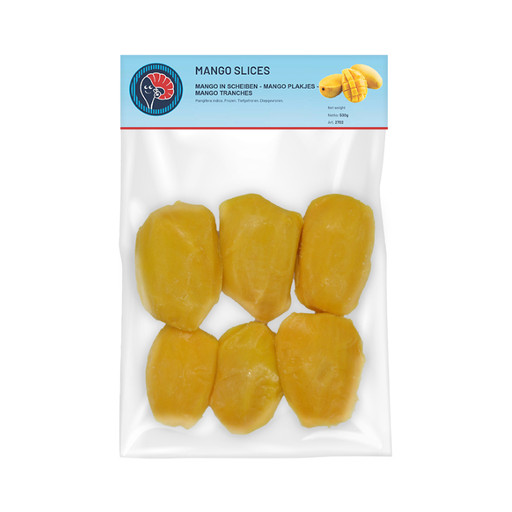
Why it suits this profile: The slices are easy to portion, making them a convenient way to add mango to smoothies, yoghurt and desserts, or to serve as a fruit component on its own.
You’re buying one type of fruit rather than a mix with varying proportions. Be sure to check the current ingredients list.
500 grams; sliced; suitable for both cold dishes and blended recipes.
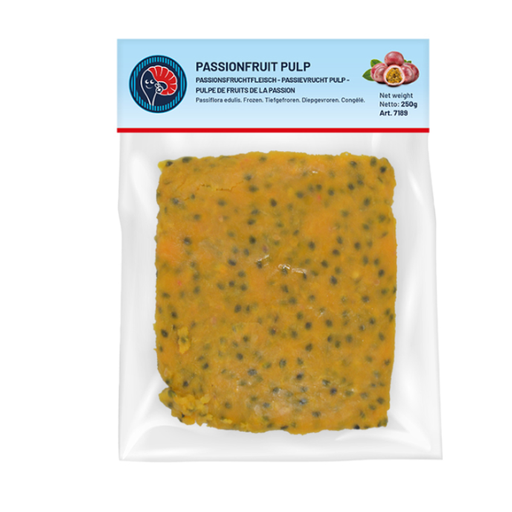
Why it suits this profile: The cubes are handy when you want to add small, measured amounts of passion fruit to smoothies, sauces or desserts.
The portioned format means you don’t have to defrost a whole pack. Store the product at the stated temperature of -18 °C.
200 grams; pulp in cubes; product information lists Passiflora edulis, origin Vietnam and a storage temperature of -18 °C.
We’ve put together a complete, up-to-date list of products that meet these strict selection criteria and the applicable European safety regulations.
For a sharp or refreshing flavour, try frozen pineapple, frozen cherries or frozen passion fruit. If you’re mainly looking for berries, compare frozen raspberries, blueberries, blackberries or a combination of blueberries and raspberries.
A few combinations work particularly well in smoothies:
When choosing frozen tropical fruit, check the cut and whether it contains stones or pips. Durian and jackfruit have distinctive flavours, so they won’t suit every smoothie or freezer. Coconut flesh, such as Coconut Sliced Meat 250g, is especially useful when you want to add texture and a creamy flavour to a recipe.
It depends on the type of fruit, pack size and any special offers. Compare the price per 100 grams and think about how much you’ll actually use. A large bag of frozen fruit can be practical for families, while smaller packs help reduce the risk of waste.
Usually not. Many types of frozen fruit can go straight into the blender, as long as the appliance is suitable for frozen ingredients. Check your blender’s instructions. Softer fruit may release liquid as it defrosts, making a smoothie or dessert thinner.
Follow the use-by date and storage instructions on the packaging. Keep the fruit frozen at all times, seal the bag securely and defrost only the amount you need. Once defrosted, keep the product refrigerated and don’t refreeze it unless the label says otherwise.
