
Someone speaking at a busy desk
Wants to record their own voice clearly without nearby conversations drowning it out. Microphone placement matters; a noise-reduction feature alone doesn’t mean other people’s voices will stay out of the recording.


Start by considering where you’ll be recording and how the microphone is set up: your own voice should be clear without unintentionally recording other people’s conversations. A simple voice recorder is suited to short notes that you want to start quickly and find again easily; a handheld recorder is an option if you want more control over its position or to use an external microphone. Check each model’s storage, power supply and connections: a recording format or filter doesn’t guarantee a quiet shared workspace.
Wants to record their own voice clearly without nearby conversations drowning it out. Microphone placement matters; a noise-reduction feature alone doesn’t mean other people’s voices will stay out of the recording.
Wants to record quickly while out and about or at their desk, and easily find or transfer files.
Wants to save diary files regularly and be mindful of capturing other people’s recognisable voices when working in a shared space.
Best for: quickly recording, replaying and transferring short voice notes.
Bear in mind: simple controls or a built-in filter won’t automatically prevent nearby voices from being picked up.
Best for: when you can position the recorder carefully or want to use a suitable external microphone.
Bear in mind: positioning, reflections from the desk and suitable storage need extra attention; Zoom advises against placing the H1essential directly on a tabletop.
| What to consider | What to look for | Who is this important for? |
|---|---|---|
| Clear recording of your own voice | Test the speaking distance and position you plan to use; check whether the model has an input for a suitable external microphone. | If I want my own voice to come through clearly at a shared desk, I need to know how to position the recorder. Around 33% of consumers prioritise clear sound. |
| Quick recording and easy file retrieval | Try starting, stopping and replaying a recording; see how the model organises and transfers recordings. | For short diary notes, I want to record without too many steps and find my files again easily. Around 27% of consumers prioritise ease of use. |
| Storage and power when travelling | Check which memory card is required, what power supply is included and how long the battery lasts with your chosen recording format. | When I take the recorder on a trip, I want to know whether the storage and power supply will suit my needs. Around 20% of consumers prioritise portability. |
| Keeping files safely | Listen back to a test recording and check whether other people can be recognised before sharing it. | I want to keep my diary files without accidentally recording or sharing other people’s voices. Around 20% of consumers prioritise careful storage and privacy. |
Filters are designed for specific purposes, and Zoom warns about reflections from the table when using the H1essential. Neither means that nearby conversations will automatically disappear from your recording.
Make a test recording from your usual speaking distance and listen back to check whether other voices or desk noise have been picked up.
Depending on the model and how much storage you need, you may need a separate memory card.
The H1essential needs suitable recording media; if you want to use a different microphone set-up, you’ll also need a compatible external microphone.
Before buying, check what’s included in the box and what you’ll need for your planned set-up.
OM SYSTEM describes the WS-883 as being designed for voice notes. It offers a simple mode, calendar search and direct USB transfer.
According to its product specifications, the DVT4110 has internal storage and a choice of recording scenes, with MP3 or PCM recording.
The H1essential is a handheld recorder for anyone who wants to experiment with positioning and, if needed, use an external microphone.
Tascam describes the DR-05XP as a portable stereo recorder for uses including dictation, with an input for an external microphone.
Below are Joybuy products listed as voice recorders, dictaphones or audio devices with voice recording. Compare the features mentioned with how you plan to record and store your travel diary.
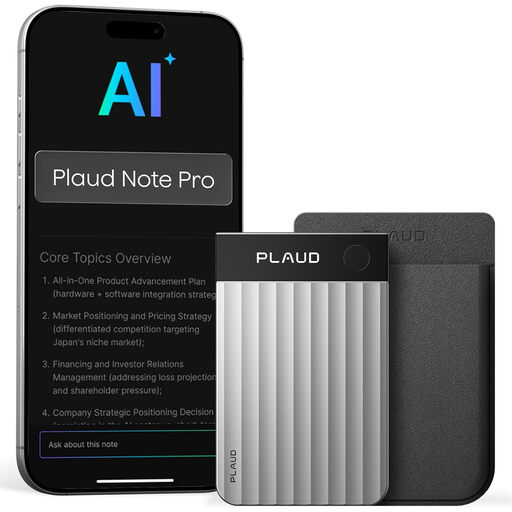 Image unavailable
An option for anyone who wants to record voice notes and is also considering ways to process recordings.
The product name mentions AI notes and summaries; check which features and terms suit your needs.
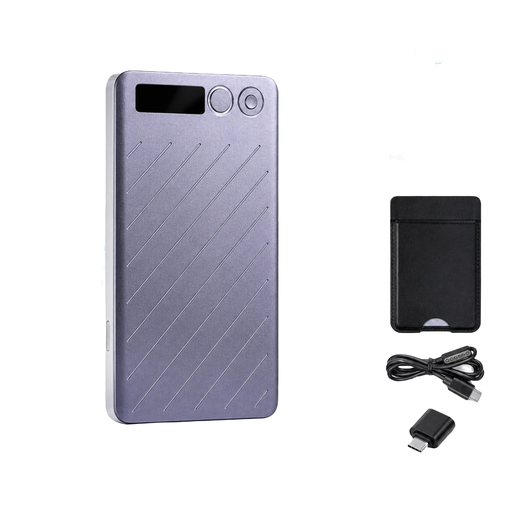 Image unavailable
An option for anyone who wants to record spoken diary notes and process the recordings further.
The product title mentions 64 GB and transcription; check which features suit the way you store and find your recordings.
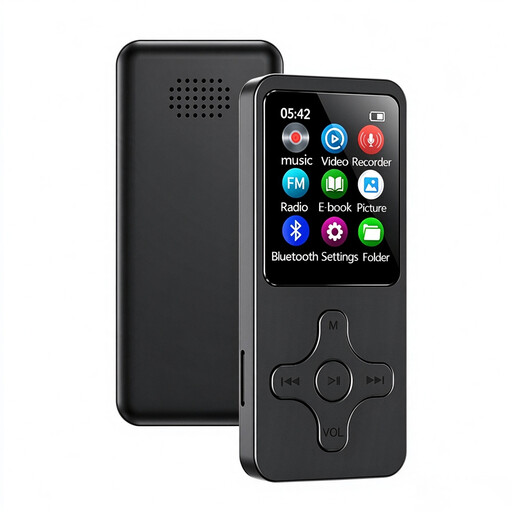 Image unavailable
This device is an option if you’re looking for an audio player as well as voice recording.
The product name mentions a 1.8-inch screen and Bluetooth.
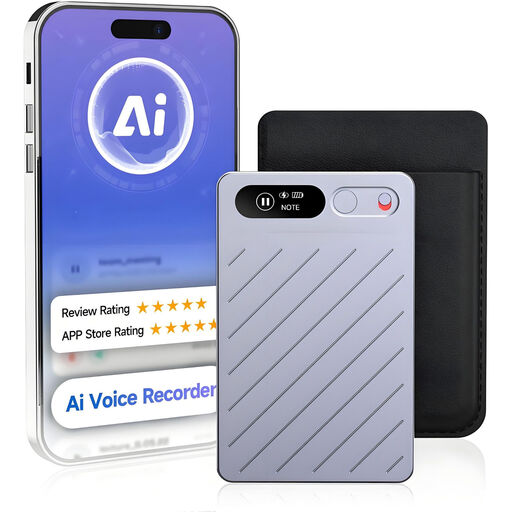 Image unavailable
An option for anyone who wants to record voice notes and is also looking at features for processing them.
The product title mentions 64 GB, transcription and summaries in 118 languages; check which language and usage terms apply to you.
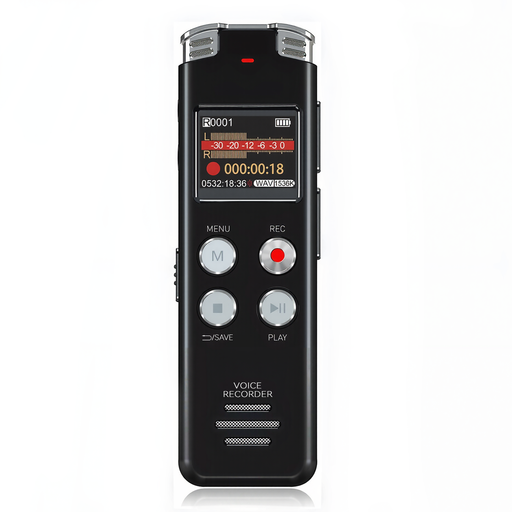 Image unavailable
A portable digital voice recorder for anyone who wants to make spoken diary notes while out and about.
The product name mentions 128 GB of storage.
Position it to pick up your own voice and make a short test recording where you plan to use it. Zoom advises keeping the H1essential off the tabletop, for example by using a tripod, because sound reflected by the surface can reduce clarity.
No. According to the manufacturers, both the OM SYSTEM WS-883 and Philips VoiceTracer DVT4110 have 8 GB of internal memory. For the Zoom H1essential, check which microSD card is compatible: Zoom lists microSDHC cards from 4–32 GB and microSDXC cards from 64 GB–1 TB as supported recording media.
If the product doesn’t do what you could reasonably expect, ACM ConsuWijzer says you have statutory rights as well as any manufacturer’s guarantee. The seller is responsible for providing a solution; what’s appropriate in your situation depends on the fault and the product.
It depends on the circumstances; the information consulted doesn’t establish a general rule for every recording made at a shared desk. Where possible, record only your own voice and check for recognisable voices before sharing a file. The Dutch Data Protection Authority explains that organisations need a valid legal basis under the GDPR to process personal data. The Dutch government’s guidance about a conversation with a doctor applies only to that specific situation.