
Recording at a busy shared desk
You want your introduction to remain clear, even with desk and room noise in the background. Start by considering where the microphone will be in relation to the speaker; Shure explains why distance and echo matter.


Choose based mainly on the distance between the microphone and the speakers, and on what you want to do with the recording. A microphone placed further away won’t automatically separate speech from echo or desk noise, which is why Shure emphasises the importance of positioning. A simple dictaphone is a good fit if you want to record and listen back quickly. A handheld recorder is worth considering if you’ll actually use its extra connections or control features.
You want your introduction to remain clear, even with desk and room noise in the background. Start by considering where the microphone will be in relation to the speaker; Shure explains why distance and echo matter.
You want to start recording quickly, listen back and take the recorder with you, without having to set up recording equipment each time. Sony describes features of the ICD-UX570 including automatic voice recording and built-in memory.
You want to transfer files to editing software, check the recording or connect a suitable external microphone later. Zoom and Tascam describe connection and recording options on specific models.
Start with a test recording in the place where you plan to conduct the interview. Then decide which controls, connections and storage you need.
| What to consider | What to look for when buying | Who it’s for |
|---|---|---|
| Clear speech | Make a test recording from the seats you plan to use, then compare it with a recording made closer to the speaker. | When recording at a shared desk, I want to check whether the voices are clear enough despite background noise. Around 36% of consumers say clear speech is their main purchasing priority. |
| Quick recording and playback | Check that recording, stopping, playback and finding a file are straightforward on the model you choose. | For a short introduction, I want to be able to start recording without setting up lots of equipment first. Around 29% of consumers prioritise quick recording and playback. |
| Checking and editing | Check the headphone output, file formats and file transfer options on the exact model. | If I’m editing the introduction later, I want to be able to check the recording and transfer files to my equipment. Around 21% of consumers give editing and checking the highest priority. |
| Power and storage | Check how the model is powered, which storage medium it uses and what’s included with the version you’re buying. | For an interview, I want to know in advance whether the recorder is ready to use and has enough storage for the way I work. Around 14% of consumers say power and storage are their main concerns when buying. |
A recording feature such as 32-bit float won’t automatically solve poor microphone positioning or echo in the room. Shure explains why a microphone can’t easily separate direct speech from reflected sound.
Make test recordings in your chosen location and compare them with one made closer to the speaker.
A poor recording may mean extra time spent recording again or trying a different microphone setup.
Models can differ in built-in memory, rechargeable power options, batteries and the storage medium they require.
Check the exact version, power supply and package contents before you order.
Recording, processing and publishing an interview online are separate activities. The Dutch Data Protection Authority states that processing personal data requires an appropriate legal basis; in most cases, consent is needed to publish it online.
Decide in advance how you plan to use the recording, inform everyone involved and check the relevant privacy rules before publishing.
The ICD-UX570 is a compact dictaphone option for voice recordings, with built-in memory and USB charging.
The H1essential is a handheld recorder to consider if you want built-in microphones, headphone monitoring or an external microphone input.
The DR-05XP is a handheld recorder with built-in stereo microphones, or the option to use a suitable external microphone.
The DVT4115 is an option with built-in memory and control via a smartphone app.
The LS-P5 is a handheld recorder to look at if you want to explore adjustable microphone direction and remote control.
These Joybuy picks are voice recorders for recording spoken notes or conversations. Check the features and specifications of each model to see how well they suit your recording and editing process.
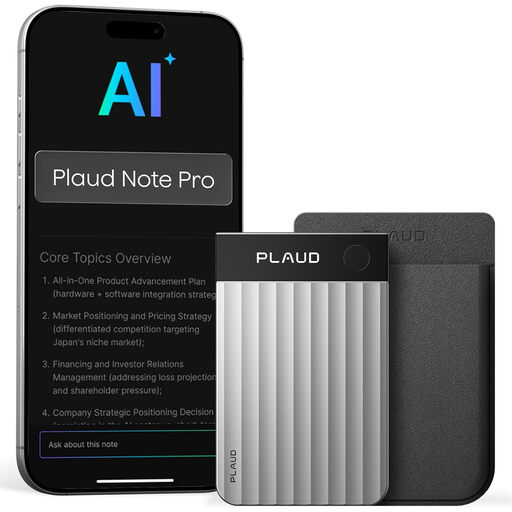 No image available
Worth considering if you’re looking for a voice recorder whose product name lists notes and summaries as features.
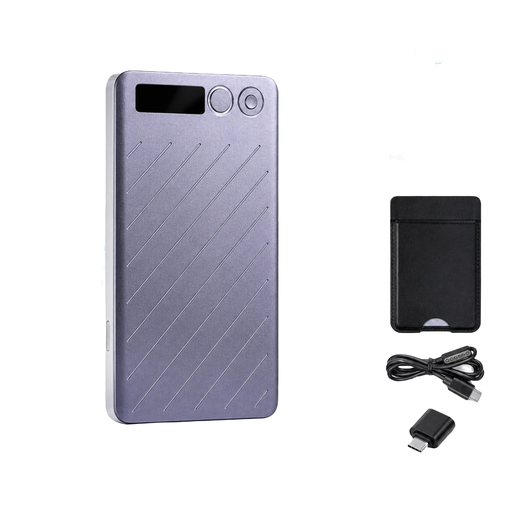 No image available
Worth considering if you’re looking for a recorder with a transcription function; check that it supports your language and suits the way you work.
The product name lists 64 GB of storage.
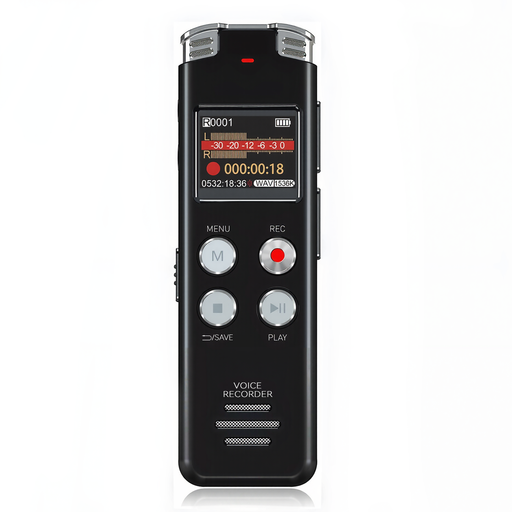 No image available
Worth considering if you’re looking for a portable recorder and the listed storage capacity and LCD screen suit your needs.
The product name lists 128 GB of storage and an LCD screen.
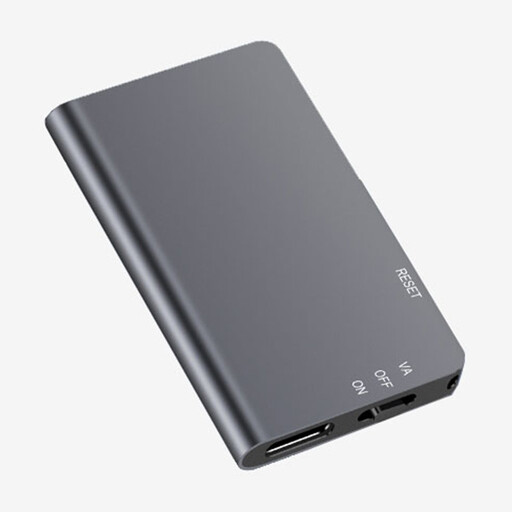 No image available
Worth considering if you’re looking for a digital recorder with the listed one-touch recording feature.
The product name lists 64 GB of storage.
Make a test recording from the seats you’ll actually use, then compare it with one made closer to the speakers. Shure explains that distance in an echoey room can affect speech clarity, so don’t just put the recorder somewhere convenient if the acoustics there are poor.
No. This recording mode won’t automatically remove desk noise or echo. Zoom and Tascam list the feature on the models mentioned, but microphone placement and room acoustics still need separate consideration. So compare a test recording with one made with the microphone closer to the speaker.
Check how your model is powered and what storage it needs, make a short test recording and listen back to it. The models discussed differ in features such as built-in memory, rechargeable power and AA batteries.
Don’t assume that consent to record automatically covers publication; the applicable rules depend on the purpose and circumstances. According to the Dutch Data Protection Authority, processing personal data requires an appropriate legal basis, and consent is needed in most cases to publish it online. Check this before publishing.