What should you look for in a sharing bag?
Start with the carbohydrates and the amount you want to serve yourself. Then compare salt and saturated fat on the same basis: per 100 g.
| What to consider |
What to look for |
Who is this most relevant to? |
| Carbohydrates in your own portion |
Check the carbohydrates per 100 g and decide how many grams you’ll serve yourself. Use any stated serving size to help with your calculations. |
If I want to plan my own amount when I’m having drinks with friends, I need to know how many crisps are in my bowl. For around 40% of consumers, planning carbohydrates is the top priority. |
| Salt and saturated fat |
Compare both values per 100 g on the current packaging; a claim about less salt says nothing about the other nutritional values. |
I want to choose a sharing bag without relying solely on a lower-salt claim. For around 30% of consumers, comparing salt and saturated fat matters most. |
| Portioning the pack |
Check the net weight and whether you can portion out the crisps in advance. A resealable tub won’t automatically limit your portion. |
When I’m eating with other people, I want to be able to take my own portion without repeatedly eating from the pack. Portion control is the main concern for around 30% of consumers. |
Crisps for different occasions
These Joybuy products offer different ways to share crisps: individual small packs, multipacks of tubes and bags that you can portion out yourself. For your own portion, always compare the current nutritional information for the variant you choose.
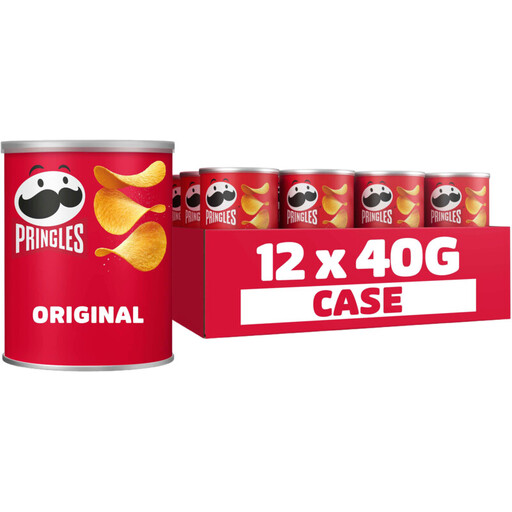 Image unavailable
Pringles Original Crisps 12 × 40 g
The individual tubes are a handy option if you want to share crisps between several people or occasions. Decide how much you’ll have and check the nutritional information on this pack.
View at Joybuy
 Image unavailable
Lay's Oven Baked Natural 150 g
You can portion this bag into bowls for a get-together. The name Oven Baked doesn’t indicate how many carbohydrates it contains: check the current nutritional values and decide on your own portion.
View at Joybuy
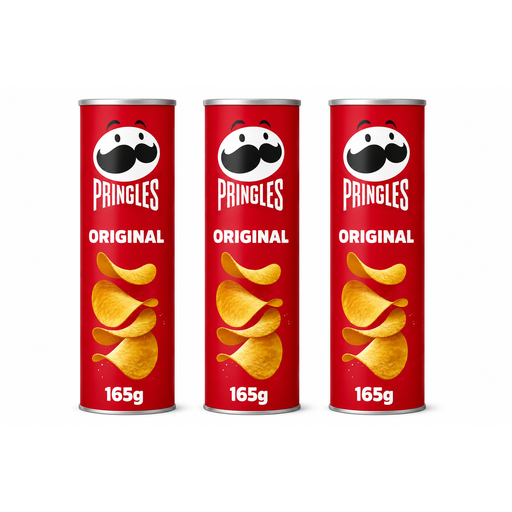 Image unavailable
Pringles Original 3 × 165 g
Three tubes can be spread across separate get-togethers. A tube isn’t an individual portion, so serve yourself the amount you want and check the current nutritional information.
View at Joybuy
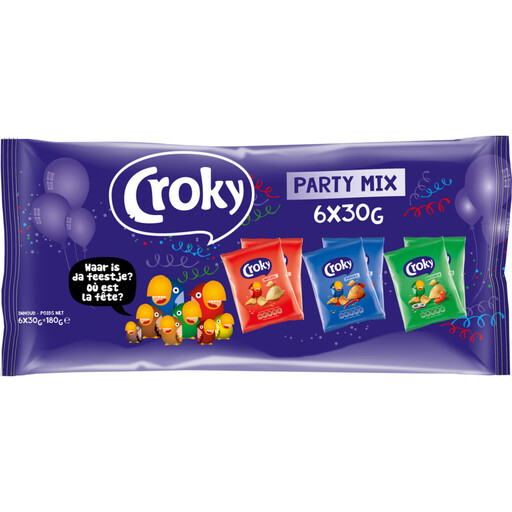 Image unavailable
Croky Sharing Mix 180 g
This mix is an option if you want to hand round a range of flavours. Before comparing portions, check the flavour, weight and relevant nutritional information on the packaging of your pack.
View at Joybuy
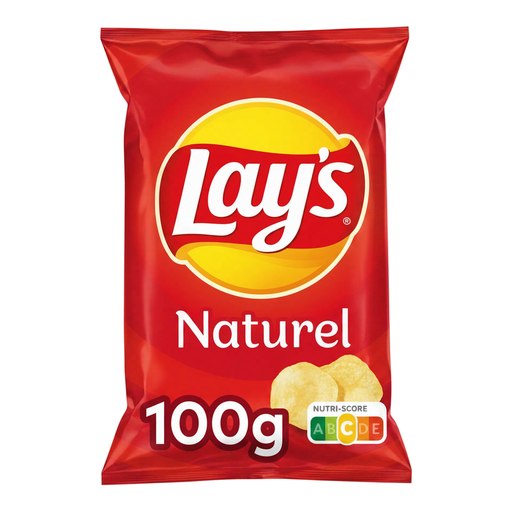 Image unavailable
Lay's Natural Chips 100 g
This smaller bag could suit a get-together with just a few people, but it isn’t a large sharing bag. Check the label for carbohydrates and salt, then decide how much you’ll serve yourself.
View at Joybuy
Frequently asked questions
Are plain crisps automatically suitable if you have diabetes?
No. ‘Plain’ describes the flavour, not the amount of carbohydrates. For example, Albert Heijn lists Lay's Chips naturel 275 g as containing 55 g of carbohydrates per 100 g. Check the full label and the amount you’ll have.
Can I use 30 g as a standard portion for everyone?
No. 30 g is a serving size shown on, among other products, the 275 g Lay's bag listed by Albert Heijn; it isn’t personal guidance. You can use that amount to calculate nutritional values, but decide on your own portion according to the guidance that applies to you.
Are oven-baked crisps always a better choice?
No. The cooking method alone doesn’t determine which crisps fit your plans. Lay's says that its Oven Baked range contains 50% less fat than regular potato crisps. For the specific bag, also check the carbohydrates, salt and how much you’ll eat.
How can I make a large bag work for a get-together?
Divide the crisps between bowls in advance if you want to keep track of your own portion. When you buy them, check the net weight and nutritional values per 100 g so you can apply the label information to the amount you actually serve yourself.


