What should you look for when choosing?
First compare the nutrition information per 100 g, then decide on the portion to weigh out, and finally consider which pack size suits how you use it at home.
| What to consider |
What to check when buying |
Who is this most important for? |
| Carbohydrates and portion size |
Compare carbohydrates per 100 g and calculate the amount for the portion you weigh out. Count milk, yoghurt and toppings separately. |
If someone at home tracks their carbohydrates at breakfast, I want to know what is in their own bowl. For around 36% of consumers, planning this portion comes first. |
| Fibre and type of grain |
Compare fibre and sugars per 100 g, and check which grains are listed in the ingredients. Also check the total carbohydrates. |
For a shared breakfast, I mainly want to consider the type of grain and the amount of fibre. Around 29% of consumers give these product features the highest priority. |
| Pack size |
Check the net weight, the stated number of servings and the storage instructions for after opening. |
A large pack only makes sense for us if we can finish it using our usual portion sizes. For around 21% of consumers, buying an amount that suits how they stock up matters most. |
| Sharing the product |
Check that the type you choose suits your household’s preferences, without overlooking the individual portion for the person with diabetes. |
I’m looking for one staple product that everyone in the family will actually want to eat. Around 14% of consumers prioritise sharing the product. |
Breakfast cereal and muesli at Joybuy
These products show different pack formats for a shared breakfast: a muesli multipack, wholegrain cereal and a single pack of crunchy muesli. Compare the current nutrition information for each product and the amount eaten at home.
 No image available
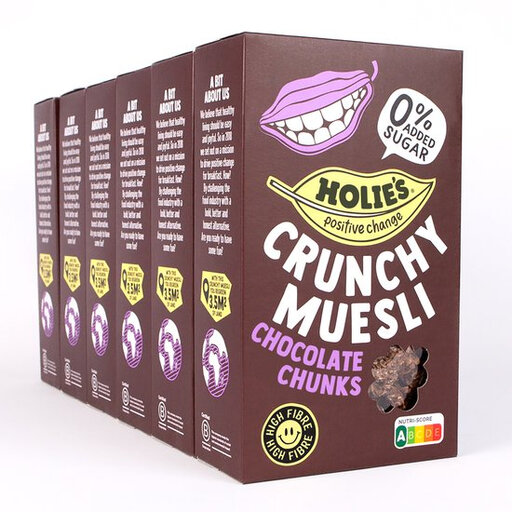
Holie's Crunchy Muesli Chocolate Chunks 6 × 400 g
This muesli in six packs suits a household that wants to spread its breakfast supplies across several packs.
Pack size: 6 × 400 g. Compare the nutrition information on the pack and weigh out each person’s portion.
View at Joybuy
 No image available
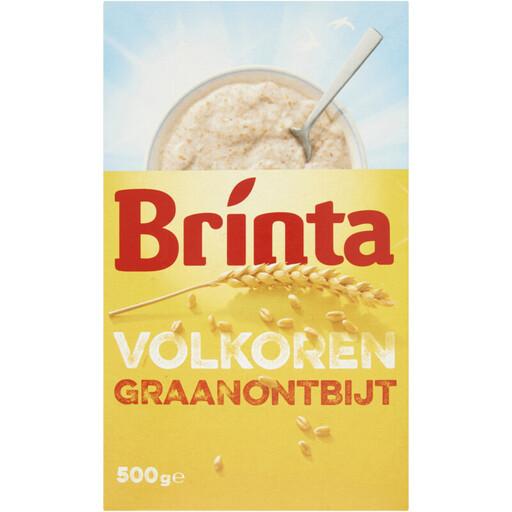
Brinta Volkoren Graanontbijt 500 g
This wholegrain cereal is an option for households that would rather prepare a fine-textured cereal breakfast than eat loose oat flakes.
Pack size: 500 g. Compare the nutritional values per 100 g and calculate the carbohydrates for the portion you weigh out.
View at Joybuy
 No image available
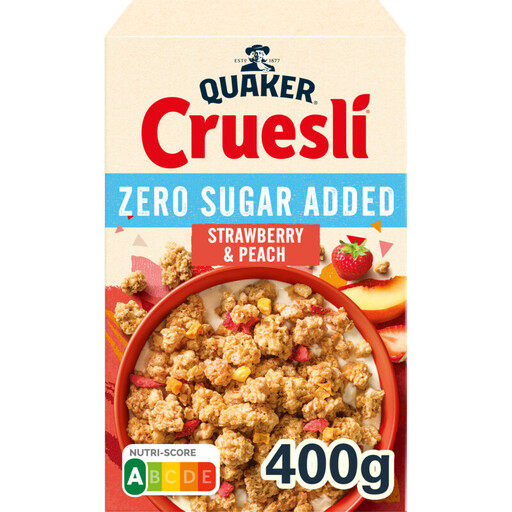
Quaker Cruesli Zero Sugar Added Strawberry & Peach 400 g
This single pack of crunchy muesli is worth considering if your household wants this type of cereal and 400 g suits how you use it at home.
Pack size: 400 g. Check the total carbohydrates on the current nutrition information; the product name is no substitute for doing so.
View at Joybuy
Frequently asked questions
Is ‘no added sugars’ enough to help you choose breakfast cereal for someone with diabetes?
No, that claim does not tell you the total amount of carbohydrates in the product. Compare carbohydrates, sugars and fibre per 100 g, then calculate the amount in the person’s own bowl, including anything added to it.
How do I compare two family-size packs of breakfast cereal?
Start with the nutrition information per 100 g, so different stated serving sizes do not skew the comparison. Then check the net weight, the stated number of servings and how much your household uses at each breakfast.
Is there one standard portion of breakfast cereal for everyone with diabetes?
No, one fixed amount is not a useful measure for everyone. Weigh the portion eaten to calculate its carbohydrates. For advice about a personal diet, a dietitian can offer tailored guidance, as the Voedingscentrum explains.
What should I look for if grains or gluten are a concern in our household?
Check the ingredients and allergen information on the specific pack, as well as any warnings about possible traces. Don’t rely on the grain named in the product name alone: a product may contain several grains.


