
Vandaag of morgen in huis

Kwaliteit gegarandeerd

Welkomstaanbiedingen ontgrendelen: GRATIS bezorging | Tot 80% korting | Gratis 30 dagen JoyPlus-proefperiode
Download de app
As a parent or grandparent, you want to give toys that are not only fun but also contribute to a child's growth. The selection in stores and online is overwhelming, making it difficult to determine which item truly adds value. This article is designed to be a practical guide. We highlight several popular choices for developmental toys and provide tips on what to look for when making a purchase, so you can make an informed decision.
Before we dive into the products, here are a few key points to help you choose appropriate and safe toys.
Safety and Age Appropriateness: Always check the recommended age on the packaging. This is not just an indication of the difficulty level, but also of safety. Toys for older children may contain small parts that pose a choking hazard for a younger child. Within the EU, look for the CE mark, which indicates that the product meets European safety standards. Whether you're looking for toys for 1-year-olds or toys for 2-year-olds, safety comes first.
Developmental Stimulation: Good developmental toys challenge a child without causing frustration. Look for toys that engage various areas of development. A baby walker, for example, supports gross motor skill development, while toys with buttons, sounds, and textures stimulate fine motor skills and sensory perception. Interactive toys can help with learning colours, numbers, and shapes.
Durability and Lasting Fun: Children can be rough with their belongings. Therefore, opt for sturdy materials that can withstand rough play. The most effective educational toys are those a child enjoys playing with for a long time. An item that grows with the child, such as a toy with multiple functions, often offers more long-term value.
Based on functionality, material, and play value, we have highlighted a few interesting products for you.
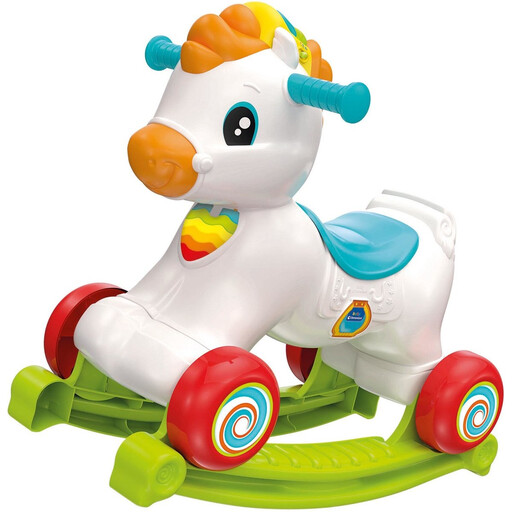
Why It Stands Out This toy from Clementoni Baby is a great example of a product that grows with your child. It starts as a rocking horse for the little ones and can be easily converted into a ride-on walker. The built-in activity centre adds an extra dimension of play and learning.
Key Features
Who It's For This is a suitable choice for children from 1 year old who are just starting to move and discover the world around them. It's a versatile toy that supports gross motor skills while providing sensory entertainment.
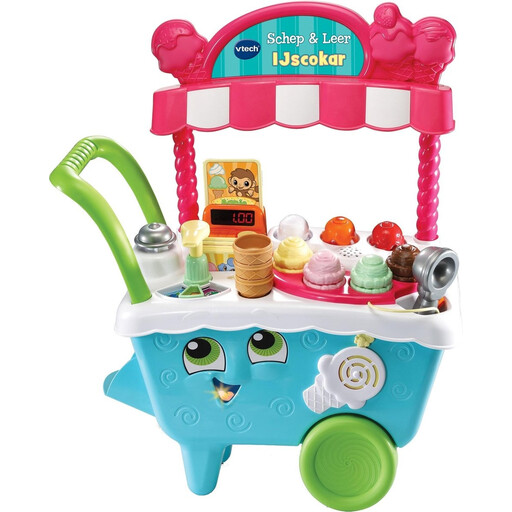
Why It Stands OutVTech toys are known for their interactive and educational nature, and this ice cream cart is no exception. It combines role-playing with learning activities. Children can run their own ice cream shop, take orders using the activity cards, and scoop the correct flavours and toppings.
Key Features
Who It's For Ideal as a gift for a toddler from 2 years old who enjoys imitating adults. It's a great choice for children who love role-playing games and want to learn new things through play.
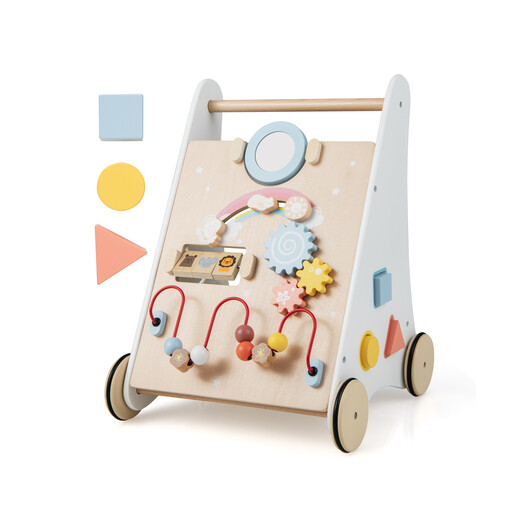
Why It Stands Out This classic wooden baby walker offers more than just support for those first steps. It's a mobile activity centre with various games, such as a bead maze, spinning gears, and a shape sorter. The design focuses on both physical and cognitive development.
Key Features
Who It's For An excellent option for children from 12 months who are about to start walking. It is particularly suitable for parents who prefer the look and durability of wooden toys and are looking for a tool to aid motor skill development.
Haven't found the perfect match for your child, or are you curious about more toys that stimulate the senses? There are countless options available to suit different ages and interests.
Check out our extensive range in the best sensory baby toys category for more inspiration and ideas.
1. What exactly are developmental toys? Developmental toys, also known as educational toys, are specifically designed to stimulate one or more of a child's skills. This includes motor skills (movement), cognitive skills (thinking and problem-solving), language skills, and social or emotional development.
2. From what age are educational toys beneficial? Toys can contribute to development right from birth. For babies, they focus mainly on sensory stimuli (sight, hearing, touch). For toddlers, for instance with toys for 1-year-olds, the focus shifts to motor skills and recognising shapes and sounds. As a child gets older, the toys become more complex, focusing on things like counting, letters, and role-playing.
3. Are more expensive toys always a better choice? Not necessarily. The price is often determined by the brand, the materials used, and the complexity of the toy. More important than the price is whether the toy is safe (look for the CE mark), made of durable material, and matches the child's developmental stage and interests. A simple but well-designed toy can sometimes offer more value than an expensive and complex item.
