
Vandaag of morgen in huis

Kwaliteit gegarandeerd

Welkomstaanbiedingen ontgrendelen: GRATIS bezorging | Tot 80% korting | Gratis 30 dagen JoyPlus-proefperiode
Download de app
As a parent, grandparent, or family member, you want to give a child a toy that is not only fun but also contributes to their growth. However, the selection in stores and online is overwhelming. How do you know which developmental toys are truly right for a child?
This article serves as a practical guide. We'll skip the marketing jargon and focus on what's important: safety, fun, and the contribution to a child's development. We will highlight several popular choices and provide you with concrete tools to make a sound decision yourself.
Before we look at specific products, here are a few general tips to help you make your choice.
A child's safety is paramount. Within the EU, always check if a toy has a CE mark. This indicates that the manufacturer declares the product meets European safety standards. Also, pay attention to the materials used. Opt for sturdy, non-toxic plastic (such as BPA-free) or well-finished wood without splinters. The construction must be robust and free of small parts that could come loose, especially for toys for toddlers and preschoolers.
Toys are most effective when they align with what a child is currently learning.
Some toys have only one function, and a child will quickly get bored with them. In contrast, open-ended toys can be used in countless ways and spark creativity. Think of simple blocks, modelling clay, or an extensive set of play food. This type of educational toy supports the principle of learning through play and remains engaging for longer.
Based on the criteria above, we have selected a few products that stand out for their design and play possibilities.
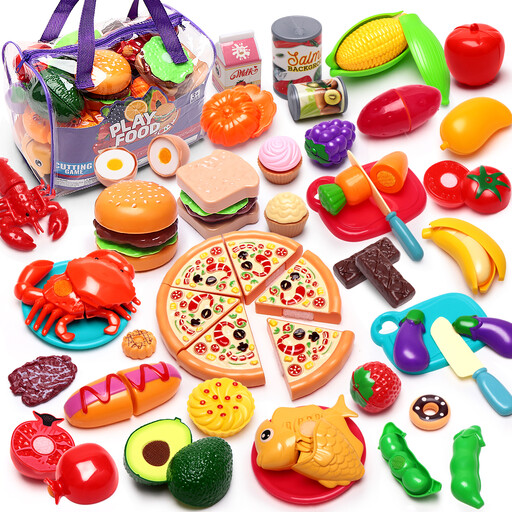
Why It Stands Out This comprehensive play food set is an excellent foundation for hours of role-play. What sets this collection apart is its realism and interactive details. Many of the fruits, vegetables, and other food items are held together with Velcro. Using the included plastic knives, children can safely ‘slice’ the food, which practises hand-eye coordination. The inside of the food, such as the seeds in a pomegranate or the bones in a fish, is visible for an added learning element.
Pros
Who Is It For? For toddlers and preschoolers (ages 3 and up) who love to imitate adults in the kitchen. It is ideal for stimulating imagination, social skills (cooking and eating together), and colour recognition.
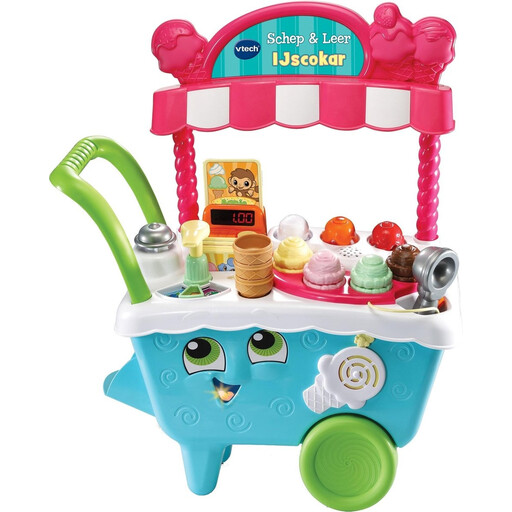
Why It Stands Out The VTech Scoop & Learn Ice Cream Cart combines physical play with interactive learning elements. The heart of this toy is the magic ice cream scoop that recognises the different flavours and toppings. Children follow the instructions on the included cards to make ice creams, learning about colours, flavours, and counting as they play. According to VTech, the cart offers more than 15 learning activities.
Pros
Who Is It For? Ideal for children aged 2 to 5 who enjoy structured play with clear tasks and rewards. It is a great choice for stimulating memory, colour recognition, and early numeracy skills.
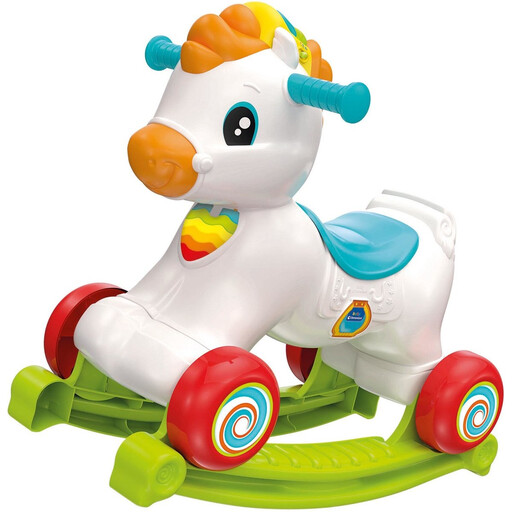
Why It Stands Out This toy from Clementoni is designed to grow with a child. It starts as a safe rocking horse for the very young. Once the child becomes more stable, the rocking base can be removed, transforming the pony into a ride-on toy for exploring the house. It also functions as an activity centre. According to the manufacturer, the buttons on the mane teach children letters, animal names, and songs, while the spinning roller introduces numbers.
Pros
Who Is It For? Perfect for active toddlers from 1 year old. It combines physical movement with cognitive stimulation and is a great investment as it adapts to the different developmental stages of a young child.
If you haven't found the perfect match here, or if you're looking for something specific for a certain age, remember that every child is unique and has different interests. For a wider range of toys tailored to specific developmental needs, you can explore further.
Check out our extensive collection of Premium toys for four-year-olds for more inspiration.
The terms are often used interchangeably. Developmental toys is a broad category focusing on a child's overall growth: motor, social, emotional, and cognitive. Educational toys are often more specifically aimed at teaching academic skills, such as letters, numbers, colours, or shapes. Good developmental toys are almost always educational as well.
From birth. For babies, a mobile above the crib or a soft rattle can be a developmental toy, as it stimulates the senses. As a child gets older, the type of toy that suits their developmental stage changes, from simple blocks for a toddler to more complex role-play toys for a preschooler.
Always look for the CE mark and the recommended age on the packaging. These recommendations are often based on the presence of small parts that could pose a choking hazard. Regularly inspect toys for wear and tear, sharp edges, or loose parts, and discard any broken toys.
