
Vandaag of morgen in huis

Kwaliteit gegarandeerd

Welkomstaanbiedingen ontgrendelen: GRATIS bezorging | Tot 80% korting | Gratis 30 dagen JoyPlus-proefperiode
Download de app
A detergent for sensitive skin needs to do more than simply clean. Fragrances, dyes, dosage and fabric type all play a part. A product with a prominent label such as “mild” or “natural” is not automatically suitable for every household.
Hypoallergenic does not mean that a product is risk-free for everyone. Always check the ingredients list. A detergent may be described as suitable for sensitive skin, yet still contain perfume, limonene or citral.
If you prefer to avoid fragrances, look specifically for a fragrance-free detergent and a formula without dyes. If you have known allergies, check the label carefully and stop using the product if irritation occurs.
A powerful detergent for white laundry is not always suitable for wool, silk or dark clothing. Detergents for white laundry often contain oxygen bleach. This can help with stains, but is not intended for every type of fabric.
For detergent for wool and silk, a mild formula and a suitable wash programme are important. For black clothing, it is better to use a product for dark laundry and always follow the care label.
A one-litre bottle may appear cheaper, but the number of washes determines the actual cost. Check the recommended dosage for soft, medium-hard or hard water, as well as the washing machine’s load capacity.
Using too much detergent can leave residue on clothing and in the machine. Using too little may result in less effective cleaning. Where possible, wash with a full load without overloading the machine.
For sensitive skin, 0% perfume and 0% dyes are clear, verifiable product specifications. This does not mean that skin reactions are completely ruled out. Other ingredients may also cause a reaction in some people.
Also check whether a product contains enzymes. Enzymes can help remove stains from food or sweat, for example, but sensitive skin particularly requires thorough rinsing and the correct dosage. The product information and warnings on the packaging should always be your guide.
If you regularly wash at low temperatures, pay particular attention to the recommended performance at 30 or 40 °C. According to the product descriptions, several of the products below are suitable for this, but always check the care label and dosing instructions.
Choose a colour detergent for coloured clothing, a product for dark laundry for black and dark fabrics, and a detergent for white laundry when brightness and stain removal are the priorities. For wool and silk, a specialist detergent for delicates makes more sense than a universal powder.
Also pay attention to sustainability claims. “Vegan”, “plant-based” and “biodegradable” are separate characteristics. According to the product information, certain Ecover formulas are vegan and contain biodegradable ingredients. Before buying, check exactly which claim applies to the product.
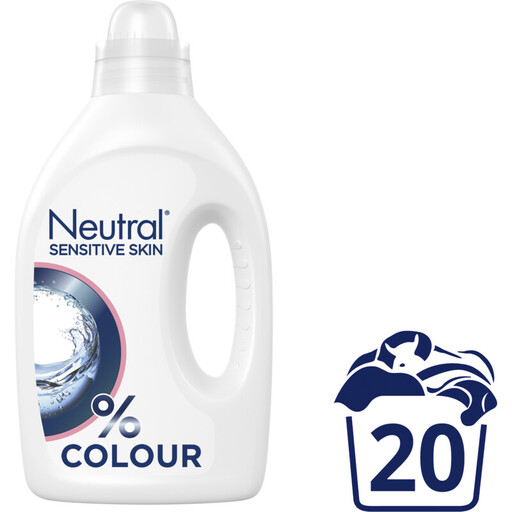
Why it suits this profile: This liquid detergent is designed for coloured laundry, and the product information states that it provides 20 washes, with 0% perfume and 0% dyes.
The ingredients and usage information make it clear what the product is intended for. There is no need to use a universal product for every type of fabric.
Liquid formula; according to the product description, suitable for low temperatures; 97% of the ingredients are biodegradable according to the manufacturer.
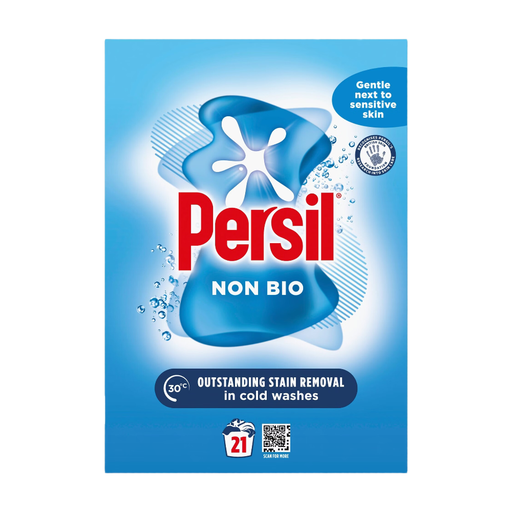
Why it suits this profile: If you regularly wash whites or more heavily soiled everyday laundry, this powder offers a clear dosage of 50 grams for a 4–5 kg load with average soiling.
The packaging states that the powder is not suitable for silk or wool. This clearly defines how it should be used.
1.05 kg for 21 washes; the product information states that it is dermatologically tested; according to Persil, it is effective in cold washes.
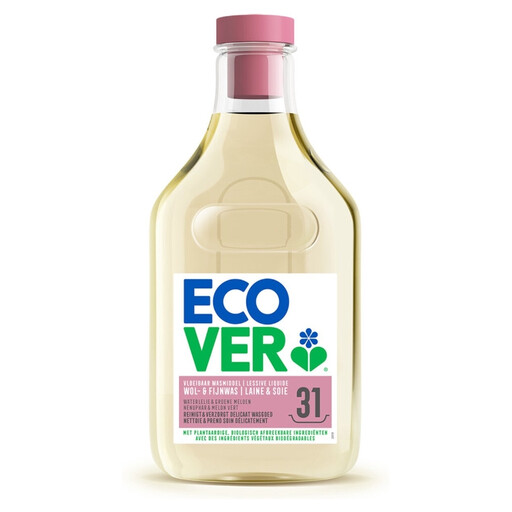
Why it suits this profile: This liquid detergent is designed for delicates, including wool and silk, with dosing instructions for both machine and hand washing.
This is not a universal powder for every type of laundry: it is specifically designed for wool and delicate fabrics. However, do check the ingredients list for perfume.
1.43 litres for 31 washes; according to the product information, vegan, dermatologically tested on sensitive skin types and suitable for septic tanks.
We have put together a complete, up-to-date list of products that fully meet these strict selection criteria and the applicable European safety regulations.
First, look for a formula without perfume or dyes, such as Neutral Liquid Detergent Color or Neutral Washing Powder White. “Dermatologically tested” is a verifiable product claim, but it does not guarantee that everyone will tolerate the detergent. Read the ingredients and stop using it if irritation occurs.
That depends on the laundry and the dosage. Liquid detergent generally dissolves easily at 30 or 40 °C. Washing powder may be particularly suitable for white laundry because it contains oxygen bleach. Choose based on the fabric, colour and instructions on the packaging.
Follow the expiry or batch information on the packaging and store the detergent in a cool, dry, sealed place. Always keep detergent and capsules out of the reach of children. Do not use a product if its packaging is leaking or if its smell, colour or consistency has visibly changed.
