
Same-day & Next-day Delivery

Quality Guaranteed

Unlock Your Welcome Offers: FREE Delivery | Up to 80% OFF | Free 30-day JoyPlus trial
Download the APP
White clothes and textiles, like crisp shirts, bedding, and towels, should be brilliantly white. Yet, many wash cycles end with a disappointing, grey or yellowish haze. The shelves are packed with products that promise miracles but often lead to unnecessary expense and frustration. Before you buy another bottle based on attractive packaging, it's helpful to know what to look for.
As a Joybuy Product Recommendation Officer, I filter out the marketing fluff and focus on what really counts. Here are the most common pitfalls and the specifications you need to check to keep your white laundry truly white.
Many detergents don't live up to their promises. Watch out for these common deceptions:
To avoid a poor choice, it's important to look beyond the front of the bottle. These are the three factors that make the difference between brilliantly white and dull laundry.
The form of the detergent directly impacts the result.
The ingredients list reveals the true power of a detergent.
A large bottle might seem like a good laundry detergent deal, but the true value lies in the cost per wash. A highly concentrated formula, like that of Robijn Klein & Krachtig, requires a smaller dose per load. Calculate the price per wash by dividing the total price by the number of washes stated on the packaging. This gives a more accurate picture of the cost.
Based on these criteria, we have selected a number of products that suit different households and needs.
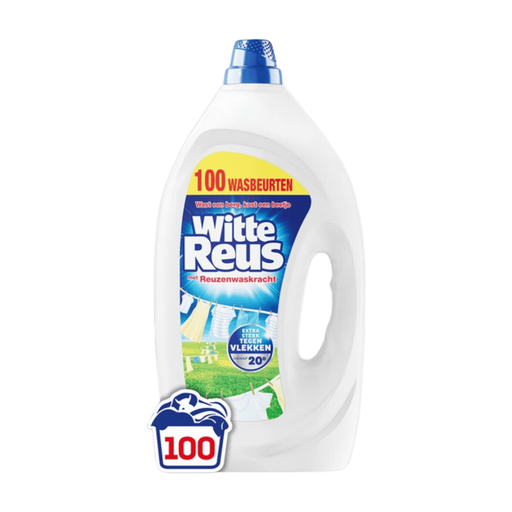
Why This Fits Their Persona: For families who do a lot of laundry, this bulk size is ideal. The formula is focused on powerful stain removal, which is essential with children in the house.
This is not a vague 'universal' formula, but a detergent specifically developed for white laundry. According to manufacturer Henkel, it is extra strong on stains and effective from 20°C.
The large packaging for 100 washes offers a low cost per wash. The formula ensures clean laundry and a long-lasting fresh scent.
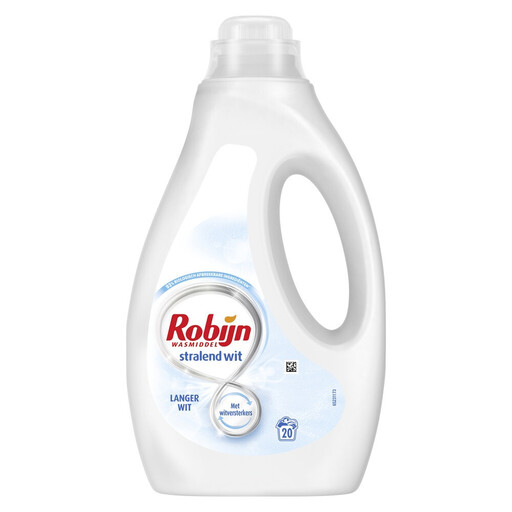
Why This Fits Their Persona: Ideal for those who want to keep their white shirts and bed linens in pristine condition. The focus is on preserving the white colour and a subtle, fresh scent.
This product goes beyond just a pleasant scent. According to manufacturer Unilever, it contains specific whiteners that help keep white clothes white for longer and prevent a dingy haze.
Specifically developed for maintaining whiteness. According to the description, the formula contains 93% biodegradable ingredients, contributing to a more sustainable laundry routine.
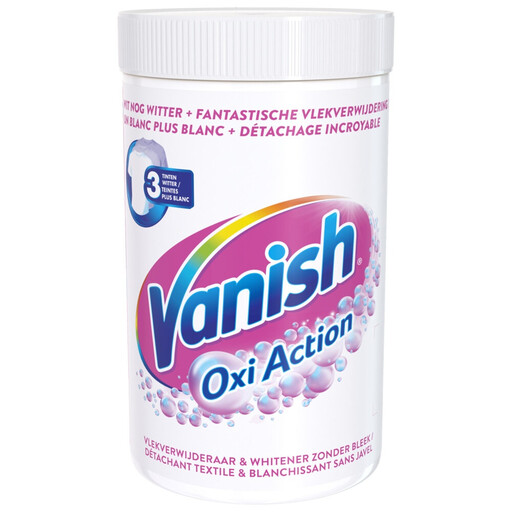
Why This Fits Their Persona: For those who regularly deal with stubborn stains like coffee, wine, or grass. This is not a detergent, but a powerful additive for when it's really needed.
This product avoids the pitfall of an overly aggressive detergent. You use it selectively as a pre-treatment or additive, so you don't unnecessarily stress the fabric with every wash.
Flexible in use: as a pre-treatment, a soak, or an in-wash booster. According to the manufacturer, the formula is bleach-free and effective even in cold water.
We have compiled a complete, up-to-date list of products that fully meet these strict selection criteria and local regulations.
It is strongly discouraged. Detergent for whites often contains optical brighteners or oxygen-based bleaching agents. These ingredients can cause the colours in your coloured laundry to fade over time. Always use a detergent specifically designed for coloured or dark laundry.
To get dingy laundry white again, you can try a few things. An effective method is to soak the textiles in a bucket of water with a scoop of stain remover for white laundry, such as Vanish Oxi Action. Follow the instructions on the packaging. Another option is to run a wash cycle at a higher temperature (60°C, if the care label allows) with a good washing powder for whites, as powder often contains active oxygen-based bleaching agents that help restore the original whiteness.
Bleach, such as oxygen-based bleach, chemically breaks down stains and discolourations. It actively cleans the fabric. Optical brighteners do not clean; they are particles that remain on the fabric after washing. They absorb UV light and re-emit it as bluish light, which masks a yellowish or greyish tint and makes the fabric appear whiter. Most liquid detergents for whites use this technology.
