
Vandaag of morgen in huis

Kwaliteit gegarandeerd

Welkomstaanbiedingen ontgrendelen: GRATIS bezorging | Tot 80% korting | Gratis 30 dagen JoyPlus-proefperiode
Download de app
Itchy skin, red patches, or eczema after wearing freshly laundered clothes? It's a common problem. The culprit is often your laundry detergent. However, the search for a suitable detergent for sensitive skin can feel like navigating a maze of marketing claims. Before you spend money on a product that doesn't solve the problem, it's important to recognise a few common pitfalls.
As a Joybuy Product Recommendation Officer, I'm here to help you separate fact from marketing fiction. These are the missteps you'll want to avoid:
To make an informed choice, focus on the specifications that truly matter. Check the packaging for the following three points before adding a detergent to your basket.
This is the foundation. Perfumes and dyes are the most common causes of allergic reactions and skin irritation from detergents. They serve no purpose in cleaning your clothes. A product that explicitly states it contains 0% perfume and 0% dyes already filters out the biggest risk factors. This is an objective and verifiable feature.
These terms offer an extra layer of assurance.
For sensitive skin, the form of the detergent can make a difference. Washing powder for sensitive skin can be effective, but it sometimes doesn't dissolve completely, especially at low wash temperatures. Leftover powder residue on clothing can cause friction and irritation. Liquid detergent generally dissolves better and is less likely to leave residue, often making it a safer choice.
Based on these objective criteria, we have selected a number of products that suit different user profiles.
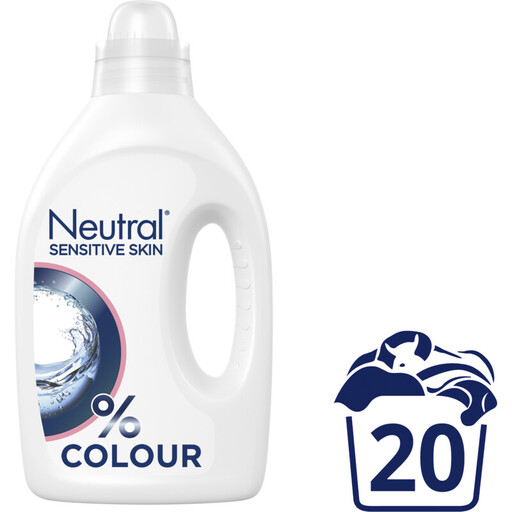
Why This Fits Their Persona: Ideal for families with young children or individuals whose skin reacts quickly to the slightest triggers, such as with eczema. This formula is designed with one goal in mind: to clean without causing irritation.
This product bypasses the "baby detergent" marketing by focusing on verifiable facts: it is free from perfume and dyes. The claims are not based on a target audience, but on the ingredients.
Hypoallergenic and dermatologically tested. The formula is specially developed to minimise the risk of skin reactions and is approved by skin specialists.
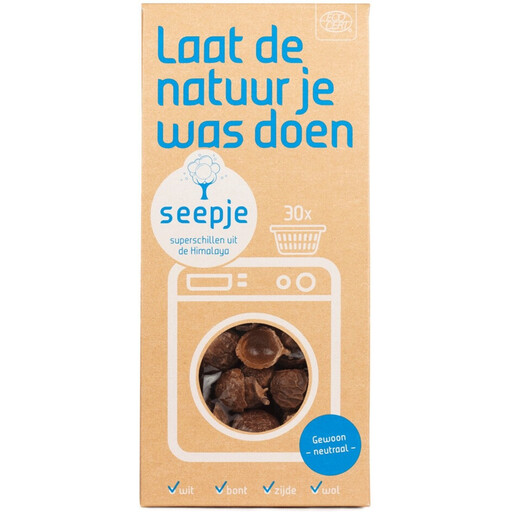
Why This Fits Their Persona: For those seeking gentleness not only for their skin but also for the planet. This product uses soapnuts instead of synthetic chemicals and is fully biodegradable.
This is an example of a "natural detergent" that avoids the pitfall. It doesn't use irritating essential oils, but a natural soap source that is inherently odourless and gentle.
100% natural ingredients and pH skin-neutral. The formula is based on the Sapindus mukorossi peel, which releases a natural soap. Suitable for the most delicate fabrics like wool and silk.
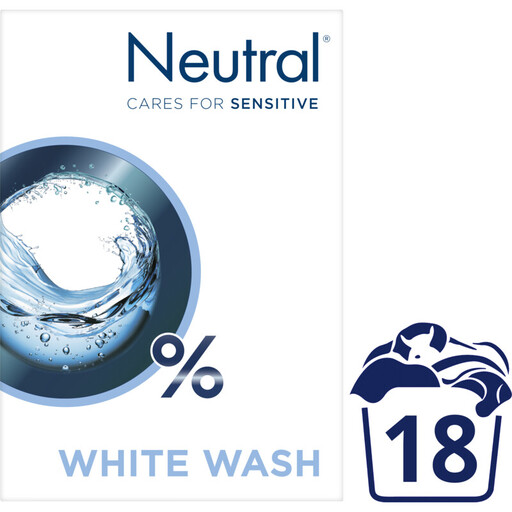
Why This Fits Their Persona: For those who need the cleaning power of a powder for white laundry, but don't want to compromise on skin-friendliness. Effective against stains, gentle on the skin.
This product proves you don't need irritating additives for brilliantly white laundry. It avoids the pitfall of harsh whiteners by opting for an oxygen-based bleach within an otherwise mild, hypoallergenic formula.
Effective against stains. The powder formula with oxygen-based bleach is powerful against dirt and stains, while the composition remains free of perfume and dyes and is dermatologically tested.
We have compiled a complete, up-to-date list of products that fully meet these strict selection criteria.
It is generally better to avoid fabric softener. Most fabric softeners are full of perfumes and chemicals that remain on the clothes and can cause irritation. If you still wish to use one, choose a version that, like the detergent, is hypoallergenic and free from perfumes and dyes.
A product labelled "eczema detergent" is not necessarily required. The key is to choose a hypoallergenic detergent without perfume and dyes. Products that meet these criteria, such as those from Neutral, are generally suitable for eczema-prone skin. Always read the ingredients list to be sure.
Follow the dosage instructions on the packaging and do not use more than necessary. Too much detergent can lead to soap residue on your clothes, which is a major cause of skin irritation. If your skin is extremely sensitive, it can help to run an extra rinse cycle after the wash.
