
Windows developers
If your unit testing workflow depends on Windows development tools, check that the Windows version and any Docker configuration are compatible with your tools. Microsoft Learn and Docker Docs outline the relevant requirements.


Start with the development tools and target platform you need. Choose a Windows desktop for Windows-dependent tools, a Mac if your workflow requires Xcode, or consider a tower if expandability is your priority. A compact computer can save desk space, but check the ports, storage and upgrade options for each configuration; specifications alone won’t tell you how quickly your tests will run.
If your unit testing workflow depends on Windows development tools, check that the Windows version and any Docker configuration are compatible with your tools. Microsoft Learn and Docker Docs outline the relevant requirements.
If you run containers or other testing services alongside your editor, choose memory and storage to suit the programmes and projects you use at the same time. Docker Docs outlines the installation requirements for Docker Desktop.
If you need Xcode, look for a Mac that suits your development environment and storage needs. Apple Developer explains that you don’t need to install the command-line tools separately if Xcode is already on your Mac.
Choose this if: you use Windows development tools and want to keep desk space to a minimum.
Bear in mind: the exact Windows edition, ports and configuration. A compact case doesn’t necessarily mean it’s easy to upgrade.
Choose this if: your workflow requires Xcode or macOS is your target platform.
Bear in mind: according to Apple Netherlands, the M6 base configuration reviewed has 16 GB of unified memory and a 256 GB SSD. Check that the storage and display connections suit your workspace.
Choose this if: having room for potential future upgrades matters more than having the smallest possible computer.
Bear in mind: HP describes the Pro Tower 400 G9 reviewed as expandable. Check the upgrade options for the exact configuration rather than assuming them from the case.
| What to consider | What should you check? | Who is this important for? |
|---|---|---|
| Tools and target platform | Make a note of your IDE, testing framework and required operating system version; check the configuration of the exact model. | If your tests only run on a particular development platform, first check that the desktop is compatible. Around 31% of consumers are primarily concerned about platform compatibility. |
| Memory and storage | Choose capacity to suit your tool versions, containers running at the same time, and the space you need for projects and test data. Microsoft Learn and Docker Docs outline tool requirements you can check. | If you use your editor, tests and local services at the same time, choose a configuration that can handle the load. Around 31% of consumers are particularly concerned about memory and storage for local testing. |
| Workspace and connections | Check the number and type of display outputs, other ports and what’s included with the configuration you’ve chosen. | If you have limited desk space or want to connect your existing monitors, check in advance how the computer will fit into your workspace. Around 23% of consumers prioritise space and connections. |
| Upgrades and setup | Check the upgrade options and included components for the exact model; don’t assume them based on the form factor alone. | If you want to upgrade components later or still need to complete your workspace setup, check what the configuration actually offers. Around 15% of consumers are particularly concerned about expandability and the overall setup. |
Requirements and performance recommendations vary by tool. A configuration recommended for one development environment won’t necessarily tell you what your projects need.
Check the requirements for your own tool versions and decide which processes you want to run at the same time before choosing a configuration.
A compact desktop still needs to work with your monitors, cables and input devices. You may need to buy some workstation components separately.
Make a list of the peripherals you already own and check the ports and box contents for the exact configuration.
When putting your workspace together, allow for any additional items you may need, such as a monitor or input devices.
For a qualifying consumer purchase, a manufacturer’s or seller’s warranty is in addition to your statutory rights. The Dutch government states that there is no fixed statutory warranty period in the Netherlands.
Check whether your purchase qualifies as a consumer purchase and compare any additional cover with your statutory rights.
The Mac mini is a good fit for a compact macOS workspace, especially if Xcode is part of your workflow.
The ThinkCentre M75q Gen 5 Tiny is a compact Windows desktop for workspaces where room is limited.
The Pro Mini is a compact Windows option, while the Pro Tower is worth considering if you’re looking at a larger case.
On its Dutch OptiPlex page, Dell points to Dell Pro as its business desktop range.
This selection from Joybuy includes compact Windows desktops and desktops for anyone considering a tower-style setup. For each model, check whether the stated configuration suits your development tools, local tests and available space.
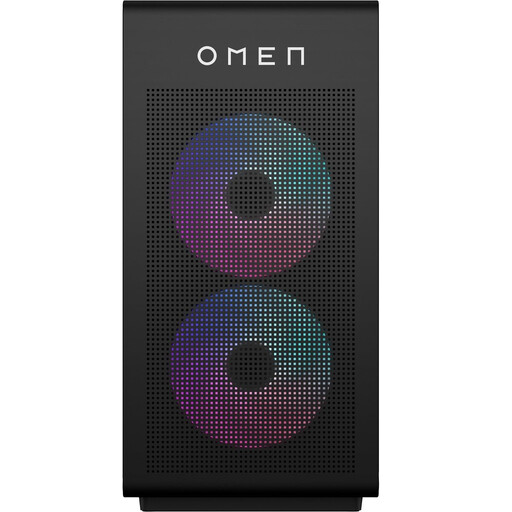 No image available
If you use a Windows development environment, check that this desktop’s operating system and configuration are suitable for your tools and local tests.
The product name specifies a 35L desktop case.
 No image available
The Mini PC form factor is worth considering if you’re looking for a compact computer. Check that Windows 11 and the configuration suit your development tools.
The product name specifies 8 GB DDR4, a 256 GB SATA SSD, Bluetooth 5.2 and Wi-Fi 5.
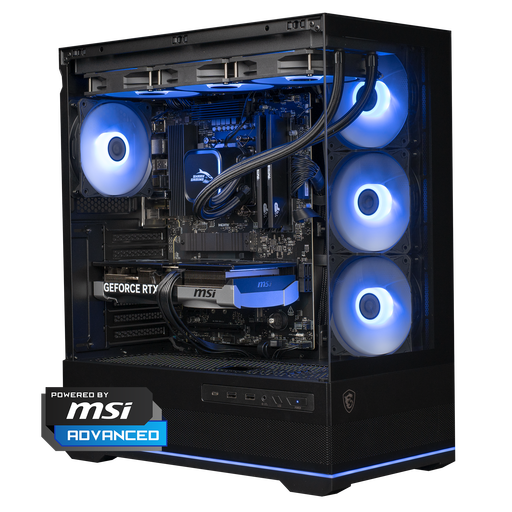 No image available
If you’re considering this desktop for a Windows development workflow, check the exact operating system configuration before choosing.
The product name specifies RTX5070, R7, 16 GB and 1 TB.
 No image available
The stated Windows 11 Home configuration is worth considering if you use Windows development tools. Check that the version and tool requirements suit your workflow.
The product name specifies Intel Core Ultra 7 265F, 32 GB DDR5, a 1 TB SSD and NVIDIA GeForce RTX 5070 with 12 GB.
 No image available
The Mini Desktop form factor suits a compact workspace. Check that the Windows 11 Home configuration is compatible with your development tools.
The product name specifies Intel Core Ultra 5 325, 16 GB LPDDR5X and a 512 GB PCIe 4.0 SSD.
Not just because you’re running unit tests. First, identify the development tools and tests you use, then check their requirements. The information reviewed doesn’t show that every unit testing workflow needs a dedicated graphics card.
Check the requirements for your Windows edition and version, as well as the backend you’ve chosen. Docker Docs lists a required WSL version, among other things, for the WSL 2 backend. Check that this matches the configuration you plan to use.
Keep the ventilation openings clear and follow the maintenance instructions for your specific model. This is maintenance advice, not a guarantee of better performance or quieter operation.
No. There is no fixed statutory warranty period in the Netherlands. According to the Dutch government, a product must meet what you can reasonably expect from it; if something is wrong, the seller is your first point of contact. This applies to a qualifying consumer purchase.
For a qualifying distance sale to a consumer, there is generally a statutory cooling-off period of up to 14 days after delivery, with possible exceptions. ACM ConsuWijzer also makes clear that you can’t automatically expect the same consumer protections if you buy as a business and use the contract mainly for business purposes.