First, choose a desktop that works with the software required by your course. Inkscape supports Windows, macOS and Linux, but that doesn’t automatically apply to other compulsory programmes. A mini PC with a separate monitor can suit a small desk if you can arrange the other components; an all-in-one PC gives you a ready-made setup, while a larger desktop is worth considering if expandability matters more to you than saving space.
Who is this desktop guide for?
Student using prescribed software
You need to create diagrams using programmes specified by your course. So check the required operating system and system requirements first. For example, Tilburg University gives advice on statistical software in the context of its own teaching, not for every course.
Student with a small desk
You want a permanent place to draw, but have little room for a computer tower. A mini PC with a separate monitor is one possible setup; also think about where the monitor and cables will go.
Student who needs a complete setup
You may not have a monitor or input devices yet. Make a note of what you already own and what you’ll need to arrange for your chosen desktop.
What should you look for?
Mini PC with a separate monitor
A good fit if: you have little desk space and already own a suitable monitor or want to choose one separately.
Bear in mind: you may need to buy a monitor, cables and input devices separately. A compact case doesn’t necessarily mean the PC is easy to upgrade.
All-in-one PC
A good fit if: you don’t have a monitor yet and would prefer one fixed setup.
Bear in mind: check the connections and specifications of the specific model. Features of a mini PC don’t automatically apply to an all-in-one PC.
Larger desktop
A good fit if: the option to upgrade later matters more than having the smallest possible case.
Bear in mind: set aside more space and check which parts of the model you choose can actually be replaced.
| What to consider |
What should you check? |
Who should consider this? |
| Software compatibility |
Check the operating system and the current requirements for your course’s programmes. Inkscape supports Windows, macOS and Linux; Tilburg University’s advice relates to the statistical software mentioned. |
If I have to use software specified by my course, I want to know first whether it runs on the desktop I choose. Around 33% of consumers put compatibility with study and drawing software first. |
| Desk space and monitor |
Measure the available space and compare the desktop’s video output with your monitor’s input. Also check which cable you need. |
With limited space in my room, I want to keep the computer case small without overlooking the space I need to work at my monitor. Around 27% of consumers prioritise limited desk space. |
| Components you need |
Make a note of whether you still need a monitor, keyboard, mouse, cables or software, and what’s included with the version you choose. |
I want to know in advance what else I need to use a complete workstation. Around 20% of consumers make this their main purchasing concern. |
| Future upgrades |
Check the full model number to see which parts can be replaced or upgraded, and whether you’re choosing a complete PC or a kit. |
If I want to adapt my study computer later, I want to know what the model I choose will allow. Expandability is a priority for around 20% of consumers. |
Common mistakes
-
Looking only at the computer case
A mini PC won’t automatically give you a complete drawing setup: you may also need a monitor, suitable cables and input devices.
Check what you already own and what’s included with the specific version.
If you still need a monitor, cables or input devices, you may have more to arrange before you can get started.
-
Assuming a mini PC kit is a complete PC
The ASUS NUC 14 Pro range includes several versions, including kits that don’t come with an operating system pre-installed.
Before choosing, check the full model number, storage, memory, operating system and included components.
With a kit, you may need to add some components yourself and install the operating system.
-
Assuming every course uses the same software
Whether a computer is suitable depends in part on the programmes your course actually requires. Inkscape supports Windows, macOS and Linux, but that doesn’t tell you which platform other compulsory software requires.
Ask your course which programmes and system requirements apply. Don’t automatically apply advice for one teaching environment to another.
Brands to compare
Lenovo
The ThinkCentre M70q Gen 6 is a compact Windows option for anyone short on space who wants to check its storage options.
- Lenovo lists a 1L case and expandable storage for the range. The Dutch version 13A4007KEZ is listed with Windows 11 Pro, 16 GB memory and a 512 GB SSD.
- These configuration details apply to 13A4007KEZ and not automatically to other versions. Source: Lenovo Netherlands.
Apple
The Mac mini is a compact macOS option if your required software runs on it and you want to use a separate monitor.
- For the M6 base version reviewed, Apple Netherlands lists 16 GB memory, a 256 GB SSD and support for external displays.
- Check whether your course allows macOS and whether the storage capacity suits your files. The specifications listed apply to the M6 version.
HP
The Pro Mini 400 G9 shows how to compare a compact Windows desktop by its specific model number.
- For version 9H6Z2ET#ABH, HP lists Windows 11 Pro, 16 GB RAM, a 512 GB SSD and a wired mouse.
- These details apply to 9H6Z2ET#ABH; check them again for any other version.
ASUS
The NUC 14 Pro range is worth considering if you’re comparing a mini PC with a kit that you may need to complete yourself.
- ASUS distinguishes between complete mini PCs, kits and a board in its specifications table.
- Included components and operating systems vary by version, so check the full model number and what’s included in the configuration you choose.
Desktop options at Joybuy
This selection includes an all-in-one PC and mini PCs for a study space. You’ll need a separate monitor for a mini PC.
 No image available
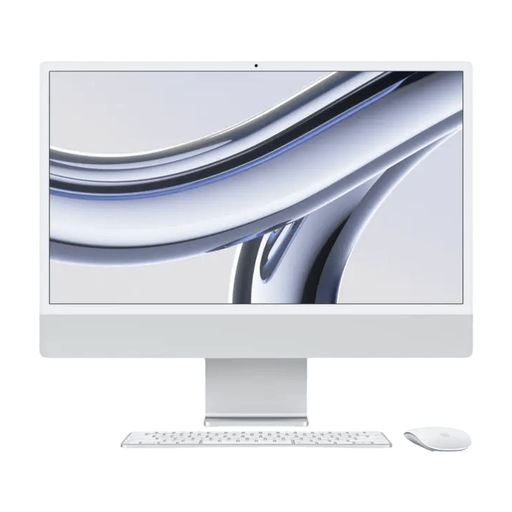
Apple iMac 24-inch M3, 16 GB, 512 GB SSD, Silver (2023)
An all-in-one PC to consider if you’d prefer an integrated display instead of a separate monitor.
The product name lists a 24-inch display, 16 GB memory and a 512 GB SSD.
View at Joybuy
 No image available
Lenovo Yoga Mini 01IPH11 Copilot+ PC
A mini PC to consider if you have little room for a computer case and can use a separate monitor.
The product name lists an Intel Core Ultra 5 325, 16 GB LPDDR5X, a 512 GB PCIe 4.0 SSD and Windows 11 Home.
View at Joybuy
 No image available
Lenovo IdeaCentre Mini
A mini PC to compare if a compact computer case suits your desk and you can use a separate monitor.
View at Joybuy
 No image available
SOYO M5 Mini PC
A mini PC to consider if you have little room for a case and can connect a separate monitor.
The product name lists a Ryzen 4300U, 16 GB LPDDR4, a 512 GB SSD and Windows 11 Pro. The listed video outputs are HDMI 2.0, Type-C and DP 1.4.
View at Joybuy
 No image available
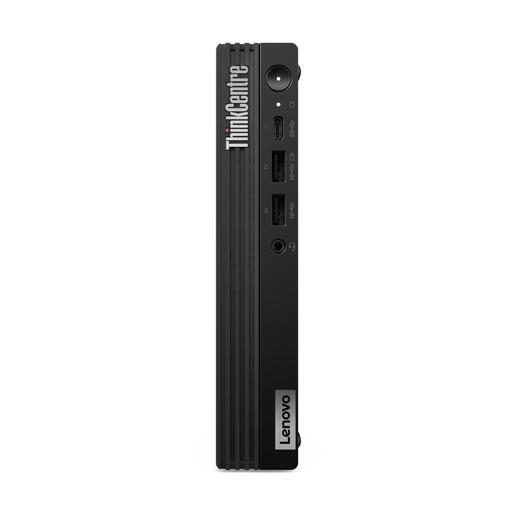
Lenovo ThinkCentre M70q Gen 5
A mini PC to compare if you want a compact case and already have or can arrange a separate monitor.
The product name lists an Intel Core i7-14700T, 16 GB DDR5, a 512 GB SSD and Windows 11 Pro.
View at Joybuy
Frequently asked questions
Do I need to buy a Windows PC for vector diagrams?
Not necessarily: Inkscape lists Windows, macOS and Linux as supported desktop platforms. Also check which programmes your course actually requires; Tilburg University’s advice to use Windows isn’t a general requirement for every course.
What should I check when setting up a mini PC on my desk?
Compare the computer’s video output with your monitor’s input and check that you have the right cable and input devices. The Dutch Mac mini specifications list HDMI and Thunderbolt display output; check which connection your monitor uses.
Is an ASUS NUC 14 Pro ready to use straight away?
Not every version is: ASUS distinguishes between mini PCs and kits, and says that kits don’t come with an operating system pre-installed. Before choosing, check the full model number and which components are included.
What are my rights if a desktop I bought online is faulty or I change my mind?
When you buy as a consumer in the Netherlands, you’re entitled to a product that meets your expectations. There’s no fixed statutory guarantee period, and the retailer is your point of contact if something is wrong. For distance purchases from a business, you usually have 14 days to change your mind; check the terms and exceptions that apply to your purchase.


