Start by considering the design software, file size and how the group will view the design. Then choose between a mini PC with a separate monitor, a Windows desktop with a separate monitor or an all-in-one. For assessing colours during an evening session, the screen, colour management and ambient lighting all matter: screen specifications alone can’t tell you how the finished paint will look on the wall.
Who is this advice for?
The large-scale sketch designer
You want your design software and project files to remain usable. So check the requirements of your chosen software and how you’ll build the design at a large scale. For example, Adobe provides separate guidance on creating large illustrations.
The colour checker
You’ll be discussing colours with your neighbours in the evening light. Keep what you see on screen separate from the final result on the wall: Adobe lists screen differences, calibration and ambient light among the factors that affect how colours appear.
The shared workspace organiser
You’re setting up a table where several people can view the design. Decide whether a separate monitor would suit the setup better or whether a computer with a built-in screen would be more convenient, and check which components are included with your chosen configuration.
What should you look for?
Mini PC with a separate monitor
A good fit if: you want a compact computer and prefer to choose a monitor for the shared table yourself. Apple lists external display support for the Mac mini M6 we looked at.
Bear in mind: the monitor and any input devices are part of the complete setup. Also check software compatibility and connections.
Windows desktop with a separate monitor
A good fit if: you’re looking for a Windows computer and want to choose the screen separately. The HP OmniDesk Slim S03-0606nd we looked at is one example, with Windows 11 Home, 16 GB RAM and a 512 GB SSD, according to HP Netherlands.
Bear in mind: this model doesn’t have a built-in screen, and the specifications listed don’t predict how it will handle your own design files.
All-in-one
A good fit if: you want to set up your computer and screen as a single workstation. According to ASUS, the V400 AiO V440VA we looked at has a built-in 23.8-inch screen.
Bear in mind: you’re choosing a configuration with a built-in screen. ASUS lists 100% sRGB for this model, but that doesn’t guarantee a match with the paint on your wall.
| What to consider |
What should you check? |
Who should pay particular attention? |
| Editing large designs |
Check the requirements of your chosen software, how you’ll build the file and the storage available for project files. For Photoshop 27.x, Adobe lists 8 GB RAM as the minimum and 16 GB or more as the recommendation; this doesn’t automatically apply to other design software. |
If your main aim is to edit large sketches and files, prioritise software compatibility. Around 33% of consumers focus on large designs when making this choice. |
| Assessing colours in evening light |
Check the screen specifications for the exact configuration and consider colour management and the lighting during your session. Assess the final wall colours separately. |
If you’ll be discussing on-screen colours with your neighbours, bear in mind the differences caused by screens and ambient light. Around 27% of consumers prioritise colour assessment. |
| Viewing the design together |
Decide where people will sit, which screen will suit the table and which connections you’ll need. Check these for the exact configuration. |
If the group will be looking at the sketch together, choose a screen setup that suits your shared workspace. Around 20% of consumers put viewing together first. |
| Setting up a complete workstation |
Check what’s included and make a note of whether you’ll also need a monitor, keyboard, mouse or drawing tablet. |
If you want to put together a complete setup for the table, it’s helpful to know in advance which components you’ll need to arrange separately. Around 20% of consumers make a complete workstation their top priority. |
Common mistakes when choosing
-
Assuming a high sRGB rating guarantees a match with the wall colour
A screen specification can’t tell you how paint will look under different lighting. Adobe lists screen differences, calibration and ambient light as factors that affect how colours appear.
Check the specifications for the exact screen, use colour management and discuss how you’ll assess the final wall colours.
-
Comparing the computer alone
A mini PC or tower doesn’t offer the same screen setup as an all-in-one. A separate computer needs a monitor chosen separately; Lenovo notes that a keyboard and mouse aren’t included with the IdeaCentre Tower Gen 10 base configuration we looked at.
Compare complete workstations and check what’s included with each exact configuration.
-
Assuming a different configuration is the same model
Memory, storage and included components can vary between configurations in the same product range. Lenovo lists 8 GB RAM for the base configuration we looked at, while HP lists 16 GB RAM for the HP OmniDesk Slim S03-0606nd we looked at.
Compare the full model name and configuration with the requirements of your software and project files.
Brands to consider
Apple
Mac mini: a compact macOS computer with a screen you choose separately.
- For the M6 configuration we looked at, Apple lists 16 GB memory and a 256 GB SSD.
- Check software compatibility, connections and whether the storage will suit your files; don’t assume specifications from another model apply.
HP
OmniDesk Slim: a Windows desktop for which you choose the screen separately.
- HP Netherlands lists Windows 11 Home, 16 GB RAM and a 512 GB SSD for the S03-0606nd we looked at.
- These specifications describe this configuration; they don’t tell you how it will handle your specific design files.
ASUS
V400 AiO V440VA: a Windows workstation with a built-in screen.
- For the configuration we looked at, ASUS lists a 23.8-inch FHD screen, 100% sRGB, 16 GB RAM and a 512 GB SSD.
- The sRGB rating is an ASUS specification, not an independent assessment of how closely the screen colour matches wall paint.
Lenovo
IdeaCentre Tower Gen 10: a desktop range with a screen and peripherals chosen separately.
- The Dutch base configuration we looked at lists 8 GB RAM.
- Lenovo doesn’t list a keyboard or mouse for that configuration; check other configurations separately.
Joybuy products for a shared design workstation
This selection includes compact desktops with a screen chosen separately, as well as all-in-one computers with a built-in screen for viewing a design together.
 No image available
Apple Mac mini M6, 16 GB, 256 GB SSD
A compact computer for a workstation with a screen chosen separately. The product information lists support for external displays.
16 GB memory; 256 GB SSD. Check whether the storage will suit your project files.
Joybuy
No image available
Apple Mac mini M6, 16 GB, 512 GB SSD
A compact computer for anyone choosing their own screen for a shared workstation. The product information lists support for external displays.
16 GB memory; 512 GB SSD.
Joybuy
No image available
Apple Mac mini M6, 24 GB, 512 GB SSD
A compact computer for a setup with a screen chosen separately. Check in advance that it’s compatible with your chosen software and connections.
24 GB memory; 512 GB SSD. Consider your storage needs based on your files.
Joybuy
 No image available
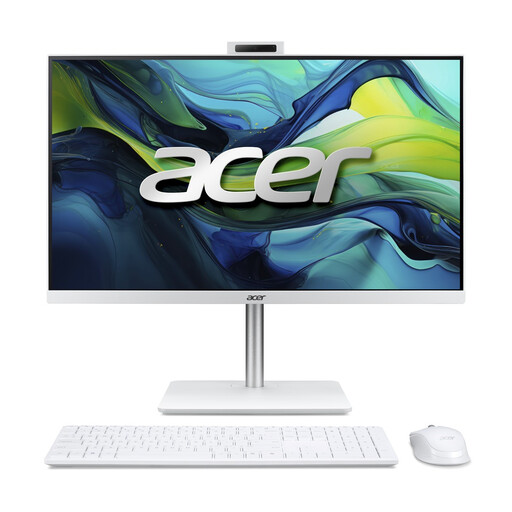
Acer Aspire C24-A WI5418 NL All-in-One
An all-in-one with a built-in screen, so the group can view the design in one place.
23.8-inch Full HD IPS screen; Intel Core 5 120U; 16 GB DDR5; 1 TB PCIe NVMe SSD; Windows 11 Home.
Joybuy
 No image available
NVIDIA DGX Spark Founders Edition, 128 GB RAM, 4 TB SSD
A mini PC for a workstation with a screen chosen separately. Check which connections and screen setup will suit the table.
128 GB RAM; 4 TB SSD; NVIDIA DGX OS.
Joybuy
Frequently asked questions
Is 8 GB of RAM enough for the design?
It depends on the software and the file. For Photoshop 27.x, Adobe lists 8 GB as the minimum and 16 GB or more as the recommendation; these figures aren’t a general benchmark for every drawing programme.
How can you avoid losing the sketch after an evening session?
Save your work regularly during the session and make a copy of the project file. Krita warns that unsaved work can be lost and recommends using its own .kra format for editable work, alongside any exported files.
Will the paint on the wall look like what we see on screen in the evening?
Not necessarily. Adobe explains that screen differences, calibration and ambient light can affect how colours appear. So use the on-screen view as a design aid and assess the final material separately.
What are your rights around warranties and returns when buying online in the Netherlands?
For a consumer purchase, statutory warranty applies if a product doesn’t meet what you could reasonably expect; according to ACM ConsuWijzer, the retailer is your point of contact. Online purchases generally come with a cooling-off period of up to 14 days after delivery, subject to statutory exceptions. These rights are separate from any manufacturer’s warranty.


