
Pattern designer
You draw patterns and write instructions. Seamly describes pattern software for creating digital sewing patterns, so first check that your software and preferred file-sharing options are compatible with the desktop.


Start with the pattern and layout software you use, along with their file formats. Then choose a desktop with the connections you need for your monitor, printer and external backup. The Seamly manual treats layout and printing or exporting as separate steps, while Microsoft Support explains how File History can save files to an external drive. A compact mini PC can free up desk space, but check the operating system, connections, memory and storage for the exact model.
You draw patterns and write instructions. Seamly describes pattern software for creating digital sewing patterns, so first check that your software and preferred file-sharing options are compatible with the desktop.
You want to be able to find scans, images, measurements and earlier versions locally. Microsoft Support describes File History as a Windows feature for saving files to an external drive; also plan how you would restore a copy.
You want to keep space free for paper and fabric, so you’re weighing up a compact PC against the connections you need for your monitor, printer and backup. The form factor alone doesn’t tell you whether a particular model will work with your equipment.
A good fit if: you have limited desk space and the model offers the right connections and configuration.
Bear in mind: mini PCs vary in their included operating system, memory and storage, so check the full specification of the model you’re considering.
A good fit if: you use a separate monitor and the connections or configuration of a specific tower suit your equipment.
Bear in mind: don’t assume a separate graphics card offers extra benefits for 2D pattern work alone.
A good fit if: you want to combine your computer and monitor, and have checked the screen size and connections in advance.
Bear in mind: the integrated screen gives you less freedom to choose a separate monitor yourself.
First check your software and the steps from pattern file to printed copy. Then weigh up the connections you need, local storage and available desk space.
| What to consider | What should you check? | Who should pay particular attention? |
|---|---|---|
| Software compatibility | Check the system requirements for your pattern and layout software, and how they share files. | If I want to use pattern software alongside a programme for my manual, I want to know in advance whether both will work with my computer and files. Around 33% of consumers put software compatibility first. |
| Local archive and backup | Work out how many scans, photos, PDFs and project versions you want to store locally; also check the connection for an external drive. | I want to access my reference materials without the internet and restore them if there’s a problem with the internal drive. Around 27% of consumers give priority to local storage and backups. |
| Printing and connections | Check the connections for your printer and monitor, then print a test page using the paper settings you intend to use. | If I need paper patterns, I want to check the printer connection and print settings first. Around 20% of consumers start with printing and peripherals. |
| Workspace and form factor | Measure the space available for the computer and monitor; if you’re considering a mini PC, check what’s included in the exact configuration. | I want to keep space free for paper and fabric without overlooking the connections my equipment needs. Around 20% of consumers put their available workspace first. |
Files stored only on the internal drive aren’t backed up separately. Microsoft Support explains how File History can save copies to an external drive.
Alongside local storage, plan to keep a separate copy of your reference materials and pattern versions.
You’ll need a separate storage device for this, and should check that you can restore files from it.
For the NUC 14 Pro, ASUS distinguishes between complete mini PCs and kits without a pre-installed operating system.
Check the full model code and exactly what’s included.
A kit may require additional installation, depending on the components and software supplied.
According to the Seamly manual, creating a layout and printing or exporting are separate steps.
Print a test page using the printer and paper settings you intend to use before printing a set of patterns.
Test prints use extra paper and take time.
HP offers both larger desktop models and compact mini PCs. Compare the configuration for each model code with your workspace and equipment.
The Aspire TC-1760 is a tower desktop worth comparing if you use a separate monitor and its listed connections suit your equipment.
The NUC 14 Pro range includes compact mini PCs and kits. ASUS lists differences between models in their operating system, memory and storage.
The ThinkCentre neo 50q Gen 4 is a compact desktop range. Check the full Dutch model code and the status of the specific model.
These Joybuy picks include compact mini PCs and one all-in-one PC. Compare each model’s configuration with your software, local archiving needs and printer connections.
 No image available
The mini PC form factor could suit a workspace where you want to keep your computer compact. Check which processor version you’re choosing and whether it meets your software’s needs.
Windows 11; Intel Core i5 8250U/8350U; 8 GB DDR4; 256 GB SATA SSD; Bluetooth 5.2; Wi-Fi 5.
 No image available
This mini PC is one option to compare if you’re looking for a compact computer. Check the connections and software requirements for your own printer and programmes.
Windows 11 Pro; Intel Celeron N5095; 16 GB LPDDR4X; 256 GB M.2 2280 SATA SSD; HDMI 2.0; 4K 60Hz; Wi-Fi 5.
 No image available
The compact design and listed connections are worth considering if you’re setting up a small workspace with a separate monitor. Check that they’re suitable for your equipment.
Windows 11 Pro; AMD R5 7430U; 16 GB LPDDR4X 3200MT/s; 512 GB M.2 2280 SATA SSD; HDMI 2.0, DP 1.4b and USB-C 4K.
 No image available
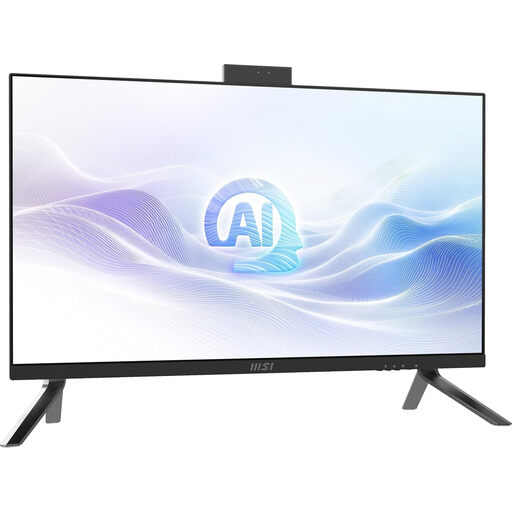
An all-in-one PC combines the computer and screen, so bear in mind that you’ll have less freedom to choose a separate monitor yourself.
27-inch screen; 2560 × 1440 pixels; Intel Core Ultra 7 155H; 32 GB DDR5; 1 TB SSD; Windows 11 Pro; Wi-Fi 6E.
That isn’t indicated by the pattern and layout sources reviewed. Check the requirements for your specific programmes and other applications; the fact that one tower has a graphics card doesn’t prove you need one for this task.
Save the reference materials and project files you need locally, and check in advance that your programmes and documents open. Also make a separate backup; Microsoft Support explains how File History can save files to an external drive.
In the Seamly2D workflow described, you first create a layout; printing or exporting is a separate step afterwards. Check the printout using the printer and paper settings you intend to use.
According to the Dutch government, if a product is faulty, you can contact the seller, who can’t simply send you to the manufacturer. The appropriate solution depends on the specific fault and purchase.
No. According to the Dutch government, for distance purchases from a business, you’ll often have 14 days to change your mind, but there are exceptions. The rules are also different when you buy from a private individual.