What should you look for when buying?
NV Access describes NVDA as a screen reader for Windows, Apple provides documentation for VoiceOver on Mac, and Visual Studio Code describes accessibility features for its editor. So start with the combination of operating system, screen reader and development software you actually want to use.
Windows mini PC or desktop
A good fit if: you use NVDA or Narrator as your regular screen reader. Test your browser, editor and any braille display with the exact Windows configuration.
Bear in mind: compact models vary in their ports and included components; a Windows configuration alone does not prove how accessible your development workflow will be.
Mac mini with macOS
A good fit if: you use VoiceOver or want to develop on macOS. Apple describes using the system with devices including a keyboard or braille display.
Bear in mind: Apple lists 16 GB of unified memory and a 256 GB SSD for the M6 base configuration reviewed; compare the storage with your projects and check which components you still need.
Custom mini PC or desktop
A good fit if: specific ports or a custom configuration for your assistive technology matter more to you than a small computer that’s ready to use out of the box.
Bear in mind: ASUS distinguishes between a NUC 14 Pro Mini PC and a Kit. ASUS says the Kit is supplied without a pre-installed operating system, memory or storage.
| Consideration |
What should you check? |
Who is this most important to? |
| Screen reader and operating system |
Check the operating system of the exact configuration and try your screen reader with your browser and editor. |
If I use NVDA every day, I want to know first whether my familiar Windows environment will work for me. Screen reader and operating system compatibility is the top priority for around 36% of consumers. |
| Development software and forum testing |
Try your editor and browser with the screen reader; later, test the forum forms with a keyboard and screen reader too. |
When building and testing, I want to be able to use my editor and browser with a keyboard and screen reader. Accessible development is the main concern for around 29% of consumers. |
| Connections and complete workstation |
Compare the ports and included components with your equipment; if you’re buying a Kit, check the operating system, memory and storage too. |
I want to know in advance whether my braille display, audio equipment and other devices will work with the setup. Suitable connections and a complete workstation matter most to around 21% of consumers. |
| Management, components and privacy |
Identify any workstation components you’re missing and check the warranty terms; decide what personal data the forum will process. |
If I want installation and management to be straightforward, I need to know which components or services I still need. Ease of management and additional costs are the biggest considerations for around 14% of consumers. |
Joybuy desktops for a Windows workstation
These Joybuy products are mini PCs and compact desktops for a Windows workstation. For each configuration, check the operating system version, connections and included components before using it with your screen reader and peripherals.
 No image available
SOYO Y5Pro Mini PC
The product name mentions Windows 11, making it suitable for a Windows workstation running NVDA; check the full configuration before deciding.
The title lists Intel Core i5 8250U/8350U, 8 GB DDR4 and a 256 GB SATA SSD. Check which of the two processor variants is included.
View at Joybuy
 No image available
Lenovo Yoga Mini 01IPH11 Copilot+ PC
The title mentions Windows 11 Home, making this configuration relevant if you’re looking for a Windows desktop environment; test it with your own screen reader and software.
Intel Core Ultra 5 325, 16 GB LPDDR5X, 512 GB PCIe 4.0 SSD and Wi-Fi 7 are listed in the product name.
View at Joybuy
 No image available
Lenovo IdeaCentre Mini
This mini PC may be a good option if you’re looking for a compact desktop. Before choosing peripherals, check the operating system configuration and connections for the exact model.
View at Joybuy
 No image available
FIREBAT R3 Mini PC
This mini PC is a compact desktop option; check that the full configuration suits your screen reader, software and workstation.
The product name lists AMD Ryzen 5 7430U, 16 GB RAM, 512 GB SSD, Wi-Fi 6 and Bluetooth 5.2.
View at Joybuy
 No image available
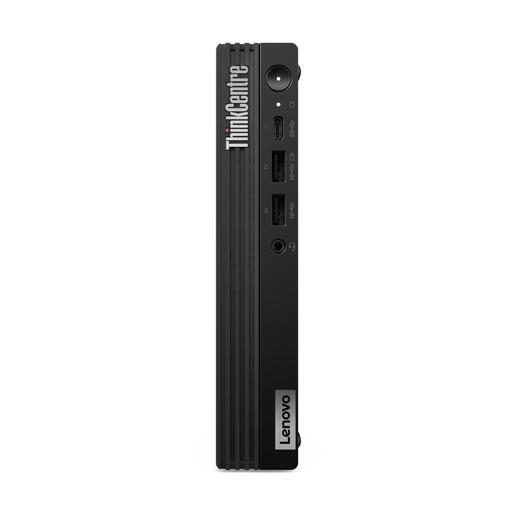
Lenovo ThinkCentre M70q Gen 5
The title mentions Windows 11 Pro, making it suitable for a Windows workstation; check that it works with your screen reader and development software.
The product name lists Intel Core i7-14700T, 16 GB DDR5-SDRAM and a 512 GB SSD. The power adapter is listed as a separate purchase for this configuration.
View at Joybuy
Frequently asked questions
Do I need a powerful graphics card to build a neighbourhood forum with a screen reader?
The available guidance doesn’t set a general requirement for a separate graphics card. First choose a computer that works with your screen reader, editor and browser. Only compare more powerful hardware against the requirements of other software you actually use.
What should I check when setting it up for the first time?
First check that the computer and your input and audio equipment work, then set up your screen reader. Microsoft provides documentation for Narrator on Windows and Apple describes VoiceOver on Mac; then try using your editor and browser with the keyboard.
How can I test whether local residents can use the forum forms?
Test the fields and buttons with a keyboard and screen reader. W3C explains that associated labels and a clear form structure help people identify and understand controls; this is development guidance, not a guarantee that an entire forum is accessible.
Can I publish neighbours’ names and posts on a public forum without asking?
Don’t assume you can publish other people’s personal data publicly without permission. The Dutch Data Protection Authority warns against publishing other people’s personal data, so decide before going live what data your forum will process and which rules apply to your setup.
What warranty applies when buying a desktop in the Netherlands?
Your statutory guarantee is separate from any guarantee offered by the retailer or manufacturer. ACM ConsuWijzer says there is no single fixed guarantee period for every computer: what you could reasonably expect from the product and the circumstances of a fault both matter.


