
Buyer without a monitor
You want to explore datasets at a fixed workstation and first decide whether an all-in-one would make your setup simpler. Remember to count the plugs needed for your peripherals too.


If you don’t already have a suitable monitor, an all-in-one is a straightforward way to choose a PC and screen as one setup. If you have a suitable monitor, a mini PC is likely to be a better fit. Consider your analysis methods, required software and whether you’ll need to upgrade the memory or storage. Check the upgrade options for the exact configuration you’re considering. Also factor in the power supplies for your monitor and peripherals: a compact computer doesn’t necessarily mean you’ll need fewer power sockets.
You want to explore datasets at a fixed workstation and first decide whether an all-in-one would make your setup simpler. Remember to count the plugs needed for your peripherals too.
You want to keep your current monitor and are looking for a compact PC with memory, storage and display connections to suit your analysis work.
You expect to run more demanding analyses or need extra storage, and want to weigh up upgrade options against the space a larger computer takes up.
A good fit if: you still need a monitor and want to choose the PC and screen as a single package.
Bear in mind: you’re choosing the screen and computer together, so check the size and connections of the specific model.
A good fit if: you already have a suitable monitor and are looking for a compact computer.
Bear in mind: both the PC and the separate monitor need power, unless the specific setup is designed differently.
A good fit if: future upgrades matter more to you than a compact case, and you have room for one.
Bear in mind: the case is larger and you’ll still need a separate monitor. Check which upgrades the exact model supports.
| What to consider | What should you check? | Who is this most relevant to? |
|---|---|---|
| Power sockets and workspace | Count the PC, monitor and peripherals separately. Also check the available space and ventilation around the computer. | If I have few power sockets, I want to know how many devices my whole workstation will need. Around 36% of consumers prioritise power sockets and workstation layout. |
| Memory | Compare the installed RAM with the documented upgrade options for the exact configuration. | When using pandas, I want to know how much memory my data and intermediate results will need. pandas describes files larger than available memory as difficult to work with for in-memory analysis; DuckDB can spill to disk for suitable operations. Around 29% of consumers prioritise memory for their analysis methods. |
| Storage and upgrades | Compare the SSD capacity with your files and check whether storage or RAM can be upgraded later. | If my datasets grow, I want to know whether I can upgrade storage or memory later, rather than relying on the case name alone. Around 21% of consumers prioritise future upgrades. |
| Software and connections | Check the operating system version required by your software and the connections needed for your existing equipment. | If my analysis programme requires a particular operating system, I want to check compatibility before buying. Around 14% of consumers consider software compatibility their main buying concern. |
A mini PC doesn’t have a built-in screen. An all-in-one combines the PC and screen, but you’ll still need to allow for the power supplies of any other equipment in your setup.
First, make a list of the devices you already have and count the sockets needed for your entire workstation.
With pandas, data and intermediate copies can require additional memory. DuckDB can spill to disk for suitable operations; the storage you need also depends on the query.
Decide which analysis method you’ll use, then check the memory, available storage and upgrade options for the exact configuration.
The 90 W listed for the Lenovo ThinkCentre M70q Gen 5 Tiny 12TD0017MH is the adapter rating, not a measurement of its power consumption while you analyse datasets.
Don’t use adapter specifications to compare power consumption, and remember to include the power supply for a separate monitor in your workstation setup.
HP offers several desktop formats to compare: an all-in-one, a compact PC and a tower.
The ThinkCentre M70q Gen 5 Tiny is a compact PC worth comparing if you already have a suitable monitor.
The Dell Pro Micro QCM1250 is a compact desktop range worth comparing if you want to use a separate monitor.
The Mac mini is a compact macOS option if it’s compatible with the software you need and your existing equipment.
These products include all-in-one computers with an integrated screen, plus a compact mini PC for anyone who already has a suitable monitor.
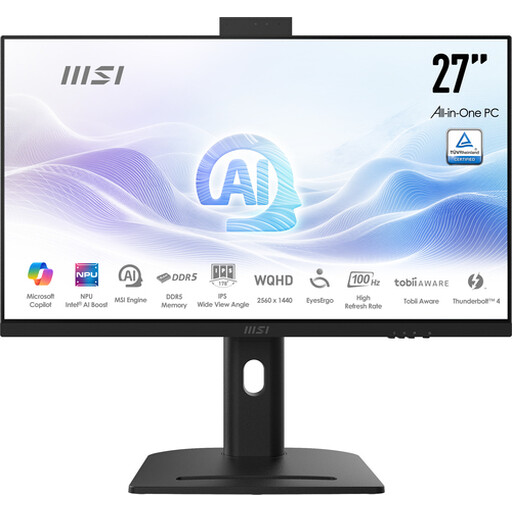 No image available
Suited to anyone looking for a computer with an integrated screen; check that this configuration works for your workspace and analysis methods.
All-in-one with a 27-inch screen, 2560 × 1440 pixels, 16 GB DDR5 memory and a 1 TB SSD.
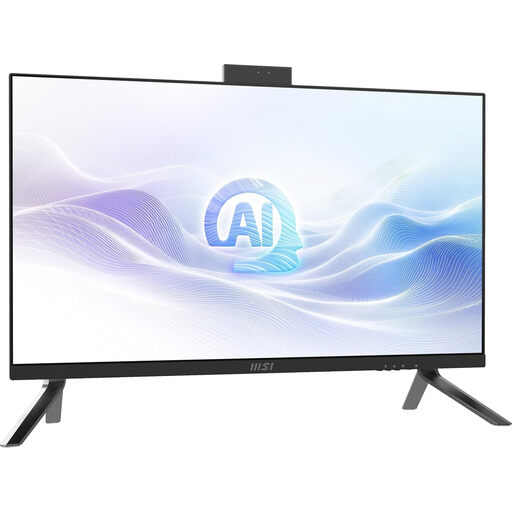 No image available
Suited to anyone looking for a computer with an integrated screen and wanting to match the memory and storage configuration to their dataset work.
All-in-one with a 27-inch screen, 2560 × 1440 pixels, 32 GB DDR5 memory, a 1 TB SSD and Windows 11 Pro.
 No image available
Suited to anyone considering an all-in-one with an integrated QHD screen; check that the connections are right for your equipment too.
27-inch QHD screen with 120 Hz, 16 GB LPDDR5X memory, a 1 TB SSD and Windows 11 Home.
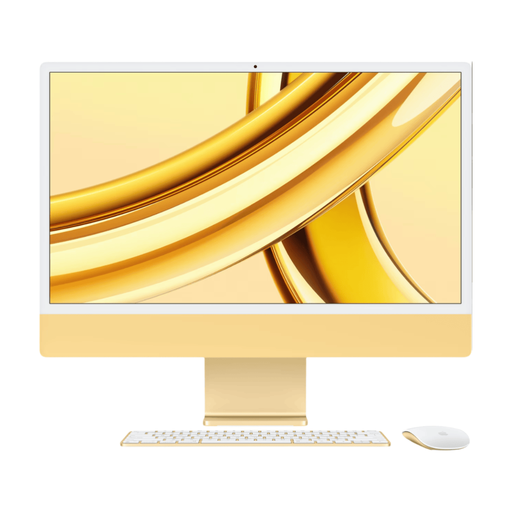 No image available
Suited to anyone looking for a computer with an integrated screen; check in advance that your required software and existing equipment are compatible.
24-inch iMac with an M3 chip, 24 GB memory and 512 GB storage.
 No image available
Suited to anyone who already has a suitable monitor and is looking for a compact PC; remember to account for the connections and power supplies of your whole workstation.
16 GB LPDDR4X memory, a 512 GB M.2 2280 SATA SSD, HDMI 2.0, DisplayPort 1.4b and USB-C connections, and Windows 11 Pro.
No, it depends on your data and analysis methods. pandas notes that files larger than available memory can be difficult to work with for in-memory analysis; DuckDB supports spilling to disk for suitable operations. Choose based on your operations and temporary storage needs, not just the file size.
Leave space around the computer’s ventilation so heat can escape. The Netherlands Fire Service specifically lists computers as devices that need to be able to dissipate heat; also follow the relevant safety instructions for your equipment.
According to the Dutch government, the seller must provide a solution if a product is faulty. The Netherlands has no fixed statutory guarantee period for all products; what you’re entitled to expect depends, among other things, on the product and the information provided. A manufacturer’s guarantee does not replace your statutory rights.
For a standard online consumer purchase, you generally have a statutory cooling-off period of up to 14 days after delivery. Check the terms and any exception that applies to your purchase, for example if a product has been specially made to order.