If you’re editing interviews as audio only, you won’t necessarily need a powerful graphics card: Audacity doesn’t specify any particular CPU or GPU requirements for Windows. If you’re also making videos for presentations, compare the requirements of your chosen video software with the exact desktop configuration. Also make sure you have a separate backup, and check the agreements in place for storing and sharing interviews that identify people.
Who is this choice for?
Volunteers editing interviews
You mainly work with spoken stories and want to open, edit and store audio files. Don’t automatically opt for a configuration designed for video editing: Audacity doesn’t specify any particular CPU or GPU requirements for Windows.
Creators making videos for screenings
You combine interviews with footage for a presentation to an audience. Speaking History explains how oral history interviews can be edited into short films; for your project, compare the requirements of your chosen video software with the desktop you’re considering.
Managers of interview collections
You want to be able to find and keep recordings and project files after a presentation. Also think about who can view the files and what agreements apply to screenings or publication.
What should you look for?
First decide whether you’ll be editing audio only or making videos too. Then compare software requirements, storage and the peripherals you need with the exact desktop model.
| What to consider |
What should you check? |
Who is this important for? |
| Audio performance |
Check that your operating system and audio software version are supported. Make sure you have fast, uninterrupted access to active project files. |
If I mainly edit and listen to spoken interviews, I don’t want to choose a video-editing configuration without good reason. Around 33% of consumers give audio editing top priority. |
| Video editing, if needed |
Decide which editing software and source and output formats you’ll use, then compare the system requirements with the exact computer configuration. |
When I edit interview footage into a film for a screening, I want to know whether my chosen software will run on the desktop. Around 27% of consumers prioritise video editing. |
| Storing files |
Assess the project storage available and arrange a separate backup location. Also check who will have access to recordings and files. |
If I want to find interviews later and share them carefully, I pay attention to backups and access agreements. Around 27% of consumers consider file retention their main priority. |
| Complete workstation |
Compare what’s included with the exact model against the monitor, input devices and connections you already have. |
When I’m putting together a workstation, I want to know in advance which components I already have and which I still need. Around 13% of consumers focus mainly on choosing a complete workstation. |
Common buying mistakes
-
Choosing a powerful video-editing configuration for an audio project
Audacity doesn’t specify any particular CPU or GPU requirements for Windows. Video-editing requirements need to be assessed separately.
First decide on the presentation format and the software you’ll actually use.
-
Treating the internal SSD as a backup
A backup helps you recover files if your computer or data is lost; a copy on the same computer isn’t a separate place to store them.
As well as active project storage, arrange a separate backup and check that you can restore files.
-
Assuming a mini desktop is a complete workstation
For the ThinkCentre model described by Lenovo, the monitor and input devices are optional and sold separately.
Compare what’s included with the exact model against the equipment you already have.
-
Assuming permission to screen an interview also means you can publish it online without restriction
Audio recordings that identify people may contain personal data. An agreement to screen an interview isn’t automatically the same as an agreement to publish it publicly online.
Before publication, check the recorded agreements on use and the applicable legal basis. The Oral History Netherlands Code of Ethics may be a useful guide, but it doesn’t replace the law.
Brands to compare
Lenovo
The ThinkCentre neo 50q Gen 5 is a compact Windows option to compare for audio work and a basic workstation.
- For model 13B9007CEZ, Lenovo lists Windows 11 Pro, 16 GB of memory and a 512 GB SSD.
- Lenovo says the monitor and input devices for this model are optional and sold separately.
Apple
The Mac mini M6 is a compact macOS option for use with a separate monitor.
- For the base model in the Netherlands, Apple lists 16 GB of unified memory and a 256 GB SSD, with other storage configurations available.
- Consider whether the storage is right for your source material and projects; these specifications alone don’t tell you anything about editing speed.
Dell
The Pro Micro QCM1250 is a compact Windows desktop to compare for a shared workstation.
- For the configuration described, Dell lists a Core Ultra 5 235T, Windows 11 Pro, 16 GB DDR5 and a 512 GB SSD.
- Check the specifications of the exact model you choose; Dell notes that images may differ from the actual product.
HP
The Pro Mini 400 G9 is a compact Windows option to compare based on its configuration and included accessories.
- For model 6D494EA#ABH, HP lists 16 GB RAM, a 512 GB SSD and a wired mouse.
- Check current availability and what’s included with your chosen model before deciding to buy.
Desktop PCs at Joybuy
These desktop PCs are fixed-computer options to compare for an oral history workstation. Choose one to suit the editing software, peripherals and storage you actually need.
 No image available
HP 24-inch All-in-One 24-cr0050nd 895R0EA#ABH
An all-in-one could be a good fit if you want your computer and screen in one workstation; check that the connections and included components work with your editing equipment.
The product name specifies a 24-inch screen.
View at Joybuy
 No image available
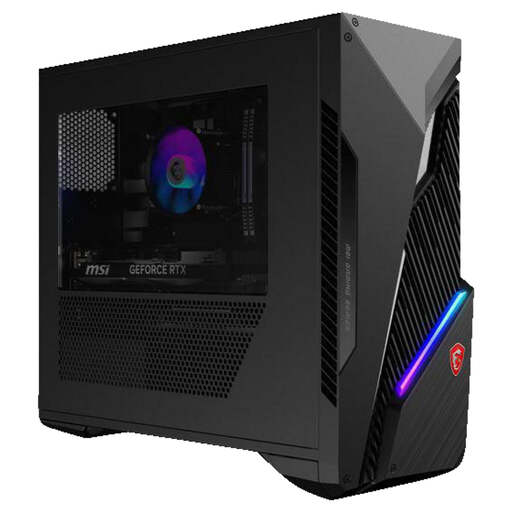
MSI MAG Infinite S3 14NVM7-3002EU gaming PC
Compare this desktop with the requirements of your chosen editing software; the product name alone doesn’t confirm whether the configuration is right for your projects.
The product name specifies Intel Core i7 and RTX 5060 Ti.
View at Joybuy
 No image available
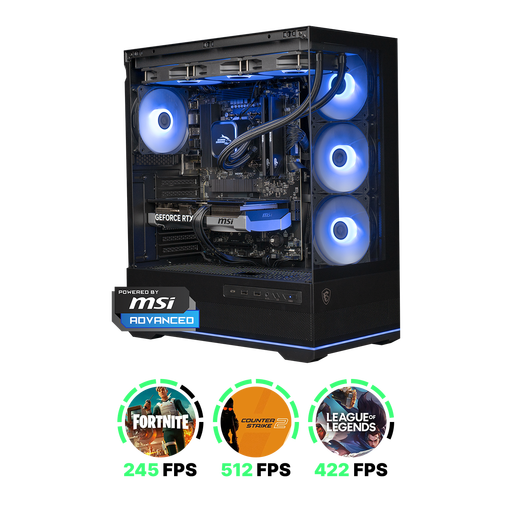
Shark Ultimator R700 gaming PC, Powered by MSI
For interview editing, check that the exact model works with your software, files and existing equipment.
The product name specifies RTX5070, R7, 16GB and 1TB.
View at Joybuy
 No image available
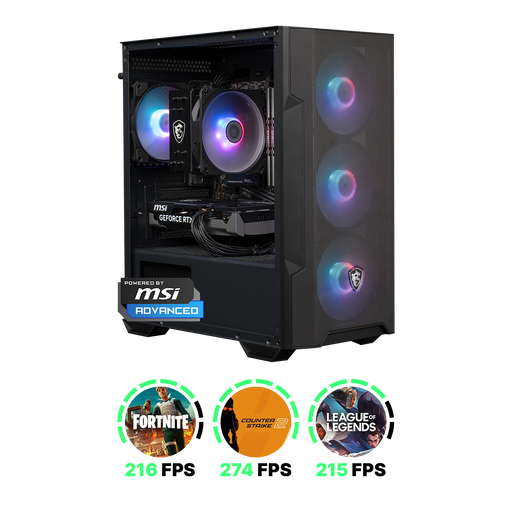
Shark Max Bite R501 gaming PC, Powered by MSI
Assess this desktop against the requirements of your chosen editing software; the product name alone doesn’t prove it’s suitable for every video project.
The product name specifies RTX5060, R5, 16GB and 1TB.
View at Joybuy
 No image available
Panoramic Gaming PC AMD Ryzen 7 5700X, GeForce RTX 5060 Ti
Before choosing, compare the exact model with the software and workflow for your oral history project.
The product name specifies 8 GB GeForce RTX 5060 Ti, 16 GB DDR4 RAM, a 480 GB NVMe PCIe SSD and Windows 11 Home pre-installed but not activated.
View at Joybuy
Frequently asked questions
Do you need a separate graphics card to edit interviews?
Not based on Audacity alone: its developer doesn’t specify any particular CPU or GPU requirements for the Windows version. If you also use video software, compare its requirements with the exact desktop configuration.
Where should you store files while editing and afterwards?
Audacity requires fast, uninterrupted access to the active project drive and warns that network storage and standard USB sticks may be unreliable for this. Also make a recent backup on a separate device or in another location, and check that you can restore your files.
Does the manufacturer’s warranty cover everything when you buy as a consumer?
No. According to ACM ConsuWijzer, the statutory guarantee applies alongside any retailer or manufacturer’s warranty; if a product is faulty, the retailer is responsible for resolving the issue under the applicable conditions. Also check whether you’re buying as a private consumer or on behalf of an organisation.
Can you publish interviews that identify people online without any further checks?
First assess the applicable rights and legal basis for processing personal data. The Dutch Data Protection Authority classifies identifiable audio recordings as personal data and states that consent is required in most cases to publish personal data online. Record the intended use for each interview: an in-person screening and public online publication aren’t automatically covered by the same agreement.


