
Writers who refer to sources as they draft
You want to read your draft and source material at the same time. Microsoft Support explains how to snap windows in Windows, while Apple Support shows you how to place windows side by side on a Mac.


Choose a desktop that runs the writing and testing software you need. Both Windows and macOS let you arrange windows side by side, as described by Microsoft Support and Apple Support. Then decide whether one screen is enough, and check the ports, memory, displays and peripherals you’ll need for the exact configuration.
You want to read your draft and source material at the same time. Microsoft Support explains how to snap windows in Windows, while Apple Support shows you how to place windows side by side on a Mac.
Your choice depends on the writing, testing and publishing tools you actually use. Before choosing a desktop, check that they work with the operating system you have in mind.
A compact computer could work with a monitor you already own, but check which ports and peripherals you’ll need. For example, Lenovo says the monitor and keyboard are sold separately with the ThinkCentre configuration reviewed.
First, check which software you need. Then decide how much screen space you really want, and compare the complete setup with the space you have and any plans to expand it.
| What to consider | What to look for | Who is this important for? |
|---|---|---|
| Easy-to-read windows | Decide whether two windows on one screen are enough. If you’re considering multiple monitors, check that the outputs on the exact PC match your displays and cables. | I want to read my draft and sources at the same time without constantly switching between windows; around 29% of consumers give readable windows top priority. |
| Software compatibility | Make a list of the applications, plug-ins and testing environments you need, and check which operating systems they support. | If my writing or testing software only works on certain systems, I want to check compatibility first; around 23% of consumers prioritise their choice of system. |
| Space and workspace | Measure the space available and check whether you already have a monitor, keyboard, mouse and the cables you need. | With limited desk space and a monitor I already own, I want a computer that fits my setup; around 18% of consumers prioritise a compact workspace. |
| Complete setup | Include any displays, peripherals and software you still need in your comparison. | I want to know in advance what I’ll need to get started; around 18% of consumers put a complete workspace first. |
| Future upgrades | Check which storage and configuration options are available for the exact model. | If my storage or configuration needs may change later, I want to know what can be upgraded; around 12% of consumers prioritise future upgradability. |
You can also place documents side by side on one screen. An extra monitor does, however, need a compatible port and cable.
Try the window layout you want first, then decide whether you need more screen space.
Lenovo sells the monitor and keyboard separately with the ThinkCentre configuration reviewed.
Check which items you already have and what else you need for your workspace.
Ports and expansion options can vary between configurations.
Check the model number and ports on the version you’ve chosen before selecting displays and cables to match.
The ThinkCentre neo 50q Gen 4 is a compact Windows option for an existing workspace.
The Mac mini M6 is a macOS option for anyone putting together their own monitor setup.
The Pro Mini 400 G9 is a compact Windows configuration to compare with other small desktops.
The Pro Micro QCM1250 is a compact Windows configuration to compare if you’re looking for a business model.
The PRO DP10 13M is a product range worth comparing for its ports and storage options.
This selection includes compact Windows or macOS desktops and all-in-one PCs for a workspace where you can view documents and references on one or more screens.
 No image available
A good fit for a macOS workspace you’ve put together yourself, provided your essential software is compatible. Apple Netherlands lists support for up to three external displays with the M6, depending on the ports and resolutions.
Apple M6 chip with 12-core CPU and 12-core GPU; 16 GB memory; 512 GB SSD.
 No image available
A compact Windows option to consider if you want a small computer to use with your own displays. Check that the ports are compatible with your monitors.
Windows 11 Pro; 16 GB LPDDR4X 3200MT/s; 512 GB M.2 2280 SATA SSD; HDMI 2.0, DP 1.4b and USB-C 4K.
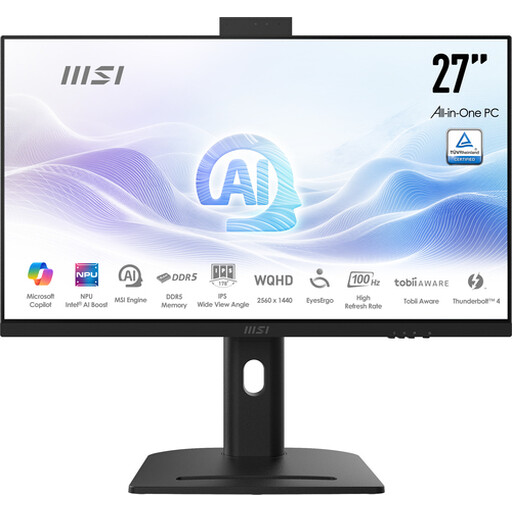 No image available
This all-in-one combines the computer and screen. Check that this version and its operating system are compatible with your software.
Intel Core Ultra 5 125H; 27-inch screen with 2560 × 1440 pixels; 16 GB DDR5; 1 TB SSD.
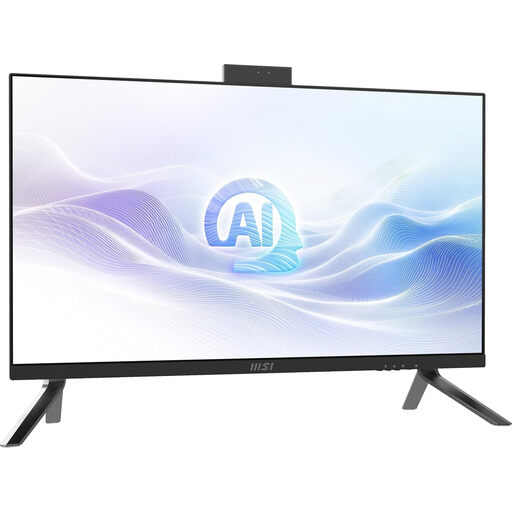 No image available
The built-in screen may suit you if you want the computer and display in one unit. Check that Windows 11 Pro and this version meet the needs of your applications.
Intel Core Ultra 7 155H; 27-inch screen with 2560 × 1440 pixels; 32 GB DDR5; 1 TB SSD; Wi-Fi 6E.
 No image available
This all-in-one may suit you if you want a built-in screen. Check that Windows 11 Home works with your writing and testing software.
27-inch QHD screen; Intel Core Ultra 7 255H; 16 GB LPDDR5X; 1 TB SSD; Windows 11 Home.
No, you can place windows side by side on one screen. Microsoft Support explains how to snap windows in Windows, and Apple Support describes how to place windows side by side in macOS. If you want two physical displays, check the ports and cables too.
Open both files and, in the versions of Word described by Microsoft, select ‘View Side by Side’ under View. Microsoft also explains how to use ‘Synchronous Scrolling’ to move through both documents at the same time.
Check that the display outputs on the exact PC match the inputs on your monitors and the cables you need. Microsoft Support explains how to arrange multiple displays in Windows through the display settings.
No. According to the Netherlands Authority for Consumers and Markets, the seller is responsible for the statutory guarantee if a consumer product doesn’t meet what you could reasonably expect. A commercial or manufacturer’s warranty is separate.
For most online consumer purchases, you have a cooling-off period, although there are legal exceptions. The Netherlands Authority for Consumers and Markets explains the rules; check which conditions apply to your purchase.