First, choose a desktop that suits the software you use. Windows is relevant for Visual Studio 2022, while developing for Apple platforms with Xcode requires a Mac. Then compare memory, storage, connections and upgrade options with your editor, debugger and testing approach. A compact PC saves space, while a tower takes up more room, and a Mac mini is the macOS option.
Who is this desktop guide for?
Home programmer working across multiple windows
You want to use a code editor, debugger and test environment at the same time. So, consider memory, storage and the connections for your screens. Requirements depend on the development software you use; for example, Android Developers recommends 16 GB of RAM for the best experience with the Android Emulator.
Developer with platform requirements
Your choice starts with your development environment: Microsoft lists Windows as a requirement for Visual Studio 2022, while Xcode for developing on Apple platforms runs on macOS. These options are therefore not interchangeable.
Setting up a permanent workstation
You’re weighing up a compact case against the scope for future upgrades. Also check which monitors, cables and input devices you already have, and which outputs the desktop offers.
What should you look for when buying?
Compact Windows desktop
Choose this option: if you use Windows development software and have limited desk space.
Bear in mind: a compact case doesn’t necessarily mean memory and storage are easy to upgrade; check the exact model.
Mac mini
Choose this option: if your workflow requires macOS or you develop for Apple platforms with Xcode.
Bear in mind: memory and SSD capacity vary by configuration. Compare the specification with your projects and local test files.
Upgradeable Windows tower
Choose this option: if future hardware upgrades matter more to you than a compact case.
Bear in mind: a tower takes up more space; additional graphics hardware has not been identified as a requirement for this inventory app.
| What to consider |
What should you check? |
Who is this important for? |
| Running multiple programmes |
Make a note of your IDE, debugger and local test programmes. Compare their requirements with the memory, processor and SSD in the exact configuration. |
If I use an editor, debugger and test environment at the same time, I want to match the capacity to my own software. Around 36% of consumers prioritise running development work simultaneously. |
| Compatibility with your development environment |
Check whether you need Visual Studio, Xcode or other platform-specific tools, and which operating system version they require. |
If a project requires a particular operating system or development programme, you should make that choice before choosing your hardware. Around 29% of consumers make software compatibility their main priority. |
| Future upgrades |
Check which memory slots and storage bays are available on the exact model, and what upgrades are possible. |
If I want to expand my projects or test environments later, I want to know which components can be changed. Around 21% of consumers prioritise upgradeability. |
| Space and peripherals |
Count your monitors and check the display outputs, supported configuration and included items. |
If you want to make the most of your existing workstation, it helps to have outputs that work with the monitors and cables you already own. Around 14% of consumers prioritise their workstation setup. |
Common buying mistakes
-
Treating 16 GB as a universal minimum
Google’s recommendation of 16 GB of RAM relates to the experience of using the Android Emulator. It isn’t a general requirement for every small app or debugger.
First, work out which programmes and local test environment you’ll use at the same time. If you don’t use the Android Emulator, check the requirements of your own development software.
-
Assuming every model in a product range has the same specification
A ThinkCentre M70q Gen 5 with a Core i5-14400T isn’t the same configuration as a model with a Core i7-14700T.
Before comparing configurations, check the full model or product number, processor, memory, storage and included items.
-
Looking only at the computer
A desktop doesn’t always come with the monitor or peripherals you need for your workstation.
Make a list of your monitors, cables, keyboard and mouse in advance. Then check what’s included with the specific offer.
You may need to buy a separate monitor or other missing peripherals to complete your workstation.
Brands to consider
HP
HP’s range includes both compact Pro Mini desktops and larger Pro Tower desktops.
- For the Pro Mini 400 G9 configuration reviewed, HP lists 16 GB of RAM, a 512 GB SSD and Windows 11 Pro.
- These details apply to the specified configuration. Check the full specification if you’re considering a different Pro Mini or Pro Tower.
Lenovo
The ThinkCentre M70q Gen 5 is a compact Windows desktop; Lenovo also offers tower desktops.
- For configuration 12TD0017MH, Lenovo lists an Intel Core i5-14400T, 16 GB of DDR5 memory and a 512 GB SSD, with access for memory and storage maintenance.
- An M70q with a different processor is a different configuration. Check the model number and components separately.
Apple
The Mac mini is the compact macOS option when your development environment, such as Xcode, requires it.
- For the M6 entry-level configuration reviewed, Apple lists 16 GB of unified memory and a 256 GB SSD.
- Other configurations have different capacities. Check your storage needs and the requirements of the Xcode version you plan to use.
PCSpecialist
PCSpecialist offers a configurator that lets you choose the components for a desktop.
- You can choose from a range of processor and desktop options in the configurator.
- Check the final list of components; a standard configuration won’t necessarily suit your development software.
Joybuy desktops for this workstation
This selection includes compact Windows desktops for a permanent programming workstation, plus a Mac mini for the macOS and Xcode route.
 No image available
Mac mini Apple M6, 16 GB, 256 GB SSD
Suited to a development workflow that requires macOS or Xcode.
Apple M6 chip with 12-core CPU and 12-core GPU, 16 GB of memory and a 256 GB SSD.
View at Joybuy
 No image available
ACEMAGIC E3B Mini Desktop, Ryzen 5 7430U
A compact Windows desktop for a permanent workstation; check that its connections suit your monitors.
16 GB LPDDR4X 3200MT/s and a 512 GB M.2 2280 SATA SSD. The product description lists HDMI 2.0, DisplayPort 1.4b and USB-C video output, with support for three displays.
The product name specifies Windows 11 Pro.
View at Joybuy
 No image available
Lenovo IdeaCentre Mini PC
The compact case suits a permanent workstation where you want to use multiple screens; check the connections on your own monitors.
Intel Core 5 210H, 16 GB of DDR5 memory and a 512 GB NVMe SSD. The product description lists Thunderbolt 4, HDMI 2.1 and DisplayPort, with support for up to three independent displays.
The product description specifies Windows 11 Home.
View at Joybuy
 No image available
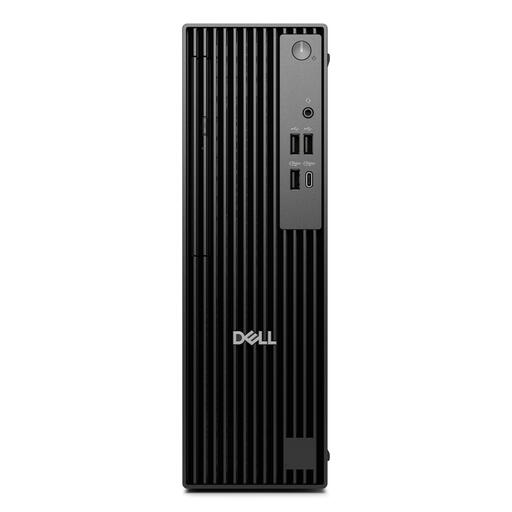
Dell Pro QCS1250 Slim PC
A compact Windows desktop; check that HDMI and DisplayPort suit your monitor setup.
Intel Core Ultra 5 235 with 14 cores, 16 GB of DDR5 memory and a 512 GB SSD. The specifications list one HDMI output, one DisplayPort output and upgradeable memory up to 64 GB.
The product name specifies Windows 11 Pro. The specifications state that a monitor isn’t included.
View at Joybuy
 No image available
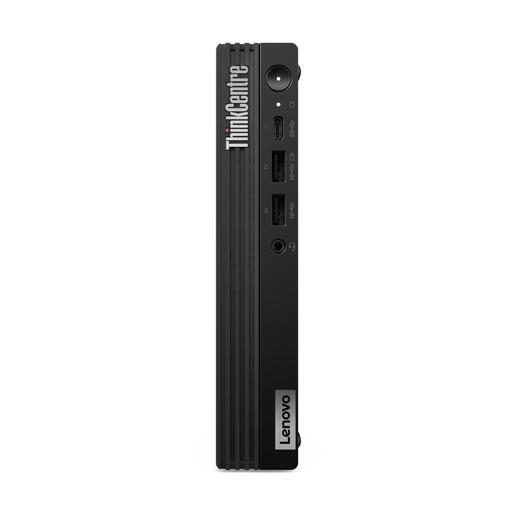
Lenovo ThinkCentre M70q Gen 5, Core i7-14700T
A compact Windows desktop for a permanent workstation; don’t compare this configuration with other M70q models without checking the specifications.
Core i7-14700T, 16 GB of DDR5 memory and a 512 GB SSD. The product name specifies Windows 11 Pro.
The product description states that the power adapter must be purchased separately.
Purchase link unavailable
Frequently asked questions
Do I need a separate graphics card or an Android Emulator for this app?
That isn’t specified by the task described. Google’s emulator requirements are relevant if you’re actually testing an Android app locally in the emulator. Google also lists a physical Android device as an alternative for testing.
How do you set up a test workstation with a second screen?
Check the display outputs and supported configuration of the exact desktop, as well as the inputs on your monitors and the cables you’ll need. Apple describes Mac mini display support by connection type and resolution; this information doesn’t automatically apply to other desktops.
Should you allow for extra items to complete your workstation?
Yes, check what’s included with the specific offer. For the compact desktop reviewed, Lenovo states that a monitor is sold separately. Also check whether you already have the right cables and input devices.
What are my rights as a Dutch consumer when buying online?
According to the Dutch Government, when you buy online from a business, you generally have a 14-day cooling-off period, with some exceptions. You’re also entitled to a product that works properly. The Netherlands has no fixed statutory guarantee period, and if a product is faulty, you should contact the seller.


