If you don’t already have a monitor and want as few separately powered devices as possible, start with an all-in-one: the screen is built in, so you don’t need a separate device on your desk. A mini PC is best suited to you if you already have a compatible monitor; a tower still needs a separate screen, so it won’t automatically solve a shortage of power sockets. Match the memory to your software: Adobe lists 8 GB as the minimum and 16 GB as the recommended amount for the Windows version of InDesign reviewed here.
Who is this choice relevant to?
Programme booklet designer with one spare socket
You’re putting together a programme booklet at a fixed workstation with no existing monitor, and you want as few separately powered devices as possible. The HP, Lenovo and Apple configurations reviewed here show how a built-in screen or a separate monitor affects your setup.
Editor with an existing monitor
You want to edit text and images while continuing to use your current monitor. Apple describes the Mac mini as a computer that supports external displays; compare this option with an all-in-one before reconfiguring your workspace.
Creator of print-ready files
You work with layouts, linked images and fonts, and want to check the files before sending them to the printer. Adobe explains how to use preflight and the packaging feature in InDesign to check for missing links and collect project files.
What should you look for when buying?
All-in-one
Best for: you don’t already have a monitor and want to set up the computer and screen as one workstation.
Keep in mind: the screen is part of the computer configuration you choose, so check the size, resolution and memory you want beforehand.
Mini PC with separate monitor
Best for: you already have a suitable monitor or want to choose the computer and screen separately.
Keep in mind: you’ll also need a power socket for the monitor, and you should check that your software and files are compatible with the operating system you choose.
Tower with separate monitor
Best for: expansion options and extra ports matter more to you than a compact setup.
Keep in mind: you’ll still need a separate monitor, so a tower won’t automatically reduce the number of power sockets you need.
| Consideration |
What to look for when buying |
Who should prioritise this? |
| Number of power sockets |
Count the sockets needed for the computer, monitor and other equipment. Also check how the monitor connects to the computer you choose. |
I want to power my computer and monitor at my workstation using as few separate power supplies as possible; around 40% of consumers give the number of power sockets top priority. |
| Suitability for layout software |
Check the requirements for your own programme and version. For the Windows version of InDesign reviewed here, Adobe specifies a minimum of 8 GB RAM and recommends 16 GB and an SSD. |
If I use layout software, I want the configuration to meet my programme’s requirements; around 30% of consumers prioritise this suitability. |
| Screen and workspace |
Compare the size and resolution of a built-in screen with those of your current monitor. Adobe recommends a monitor resolution of 1920 × 1080 for the Windows version of InDesign reviewed here. |
I want to keep a workspace that suits me or avoid having to choose a new screen; around 20% of consumers put screen choice first. |
| File handover and complete workstation |
Check which peripherals and software are included with your choice. In InDesign, use preflight and, where appropriate, the packaging feature to include linked images and fonts. |
When finishing my programme booklet, I want to make sure the files and required components are ready for the printer; around 10% of consumers prioritise file handover and a complete workstation. |
Things to consider when choosing
-
Assuming a mini PC is a complete workstation with just one plug
The Mac mini reviewed here doesn’t have a built-in screen. A separate monitor therefore needs space and its own power socket.
Remember to include the monitor, power supply and necessary connection cables when comparing your options.
-
Confusing InDesign’s minimum requirement with its recommendation
The product information for the Lenovo configuration reviewed here lists 8 GB RAM. For the Windows version of InDesign reviewed here, Adobe lists 8 GB as the minimum and 16 GB as the recommended amount.
Check the exact memory configuration and the requirements of your own software and projects; meeting the minimum doesn’t guarantee an optimal experience.
-
Sending only the computer file to the printer
Adobe highlights missing fonts and linked files as things to check in an InDesign project.
Check the project using preflight and, where appropriate, use the packaging feature. Agree the required PDF settings with the printer.
Brands to consider
HP
The HP OmniStudio 27-cy0673nd reviewed here combines a built-in screen with a desktop computer.
- According to HP Netherlands, this configuration has a 27-inch QHD screen, 32 GB RAM and a 1 TB SSD.
- These specifications apply to the configuration named. Check that the fixed screen and setup suit your workspace.
Apple
The Apple examples reviewed here include both an iMac with a built-in screen and a Mac mini designed for use with an external display.
- Apple Netherlands lists a 24-inch 4.5K screen for the iMac reviewed here, and 16 GB unified memory and support for external displays for the Mac mini.
- These are specifications for the configurations named, not the result of an independent performance test. Also check that your software and files work with macOS.
Lenovo
The IdeaCentre range includes all-in-one, mini and tower models; the AIO 3i 27 F0GJ00PYNY reviewed here is a specific configuration with a built-in screen.
- Lenovo Netherlands lists 8 GB RAM, a 512 GB SSD and a 27-inch Full HD screen for this configuration.
- Its 8 GB meets Adobe’s minimum for the Windows version of InDesign reviewed here, but not the recommended 16 GB. This doesn’t apply to other Lenovo configurations.
Dell
The OptiPlex range includes compact desktops and all-in-one PCs for those comparing business desktop formats.
- Dell Netherlands lists both product types in the OptiPlex range.
- Compare the ports and configuration of each model; information about the range won’t tell you how many power sockets your workstation needs.
Joybuy products
This selection features all-in-one desktops with built-in screens, for anyone looking to avoid connecting a separate monitor. Compare the screen and memory for each configuration, and check for any limitations that could affect your software.
 No image available
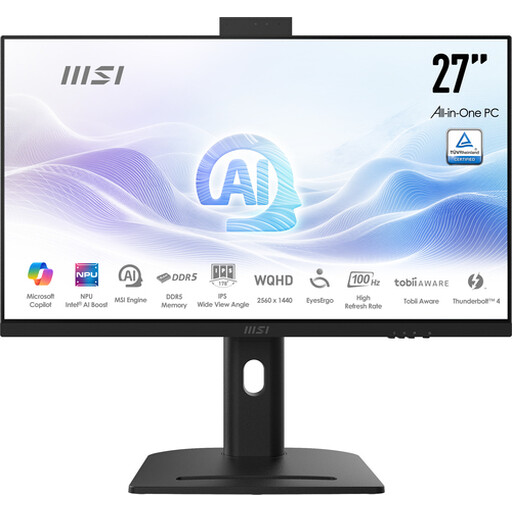
MSI Modern AM273QP AI 1UM-061EU
An all-in-one with a built-in screen for a workstation without a separate monitor.
Intel Core Ultra 5 125H, 27-inch screen with 2560 × 1440 pixels, 16 GB DDR5 memory and 1 TB SSD.
View at Joybuy
 No image available
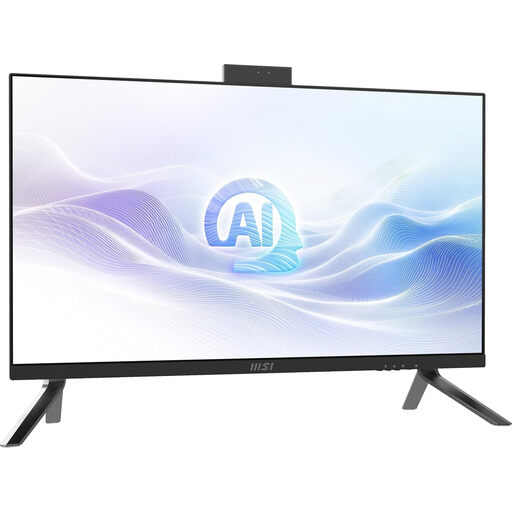
MSI Modern AM273Q AI 1UM-058EU
An all-in-one with a built-in screen for anyone looking to avoid connecting a separate monitor.
Intel Core Ultra 7 155H, 27-inch screen with 2560 × 1440 pixels, 32 GB DDR5 memory and 1 TB SSD. The product information lists Windows 11 Pro.
View at Joybuy
 No image available
Lenovo Yoga AIO 27IAH10 F0J2001DNY
This all-in-one has a built-in screen, so you don’t need to connect a separate monitor.
27-inch QHD screen with 120 Hz, Intel Core Ultra 7 255H, 16 GB LPDDR5X memory and 1 TB SSD. The product information lists Windows 11 Home.
View at Joybuy
 No image available
HP 24-cr0050nd 895R0EA#ABH
An all-in-one with a built-in screen for a compact computer and display setup.
23.8-inch Full HD screen, 8 GB memory and a 512 GB SSD. The product information lists Windows 11 Home and states that the memory cannot be upgraded. Adobe recommends 16 GB RAM for the Windows version of InDesign reviewed here.
View at Joybuy
 No image available
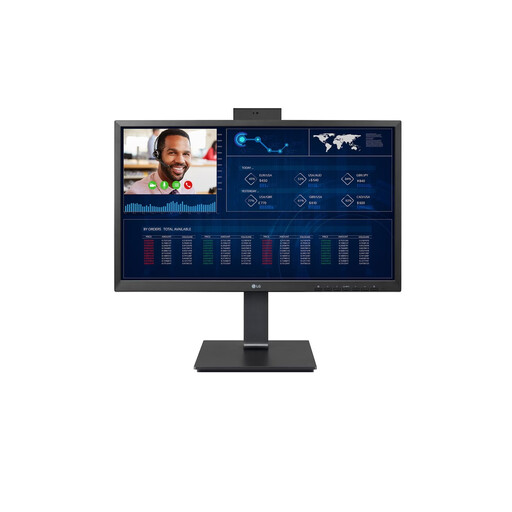
LG AIO 24CQ651N-6N
This model has a built-in screen, but first check that a thin-client setup suits the way you work.
The product information lists a 24-inch Full HD screen and 8 GB DDR4 memory. The model is described as being for cloud and VDI applications; the operating system is either not specified or depends on the IT environment. So check whether it’s suitable for independent layout work.
View at Joybuy
Frequently asked questions
Is 8 GB of RAM enough for InDesign?
For the Windows version of InDesign reviewed here, Adobe lists 8 GB as the minimum and 16 GB as the recommended amount. Also check the requirements for your own software and version; meeting the minimum doesn’t guarantee an optimal experience.
How do I send an InDesign programme booklet to the printer?
Use preflight to check for missing fonts and links. Adobe describes the Package feature, which gathers the document, linked images, fonts and a report. Agree the required PDF settings separately with the printer.
Can I plug extension leads into each other if there aren’t enough power sockets?
Don’t simply connect extension leads to one another: Brandweer Nederland advises against doing so. Count the sockets needed for your computer, monitor and other equipment in advance.
Does the statutory consumer guarantee also apply if the theatre buys the computer for business use?
Not necessarily. ACM ConsuWijzer describes consumer protection for consumers and explains that purchases used mainly or exclusively for business are generally not covered. Establish who the buyer is and how the computer will be used; for a business purchase, also check the contract terms.


