
Anyone searching handwritten letters
You want to search handwriting for names or places. As the National Archives explains, this requires a suitable transcription or recognition process as well as a PC.


Choose a desktop that works with your scanner, recognition software and preferred way of searching; the computer itself won’t make handwriting searchable. According to the National Archives, searching handwritten letters requires a transcription or recognition step, while OCR can convert scanned, typed text into searchable text. You should also allow for archive storage and a separate backup.
You want to search handwriting for names or places. As the National Archives explains, this requires a suitable transcription or recognition process as well as a PC.
You want to organise scans and descriptions, and be able to restore a backup too. The National Archives stresses that digital archiving involves more than simply copying files.
You have typed letters or text files and want to know how text recognition and local indexing work together. Adobe explains OCR for scanned PDFs, while Microsoft Support explains how to search files in Windows.
Start with the recognition and search software you want to use, then check that the desktop, scanner, storage and backup are suitable.
| What to consider | What should you check? | Who should prioritise this? |
|---|---|---|
| Handwriting recognition | Test representative letters with your chosen recognition software and check that it supports your operating system. | If you want to find names and places in handwritten letters, first check how that text will be recognised. Around 33% of consumers prioritise handwriting recognition. |
| Storing and restoring your archive | Compare the storage capacity with the size and expected growth of your collection. Also check the connection and process for making a separate backup. | If you want to restore scans and descriptions after a PC problem, plan for storage and recovery separately. Around 27% of consumers prioritise preservation and recovery. |
| Searching typed text | Create a test file using OCR and check whether you can find a word and whether the archive folder is indexed. | If your letters are typed, you’ll want to find words in scans and text files without opening every document individually. Around 20% of consumers prioritise searching typed text. |
| Complete workstation | Check the connections and included accessories for your scanner, monitor and input devices. Also look into any costs for recognition software. | If you’re putting together a single workstation for scanning and archiving, you’ll want to know which components you still need. Around 20% of consumers prioritise a complete workstation and any additional costs. |
A PC won’t automatically make an image of handwriting searchable. You’ll need a separate transcription or recognition step.
Test a few representative letters using your intended process before working through the whole collection.
Depending on the process you choose, you may need recognition software or processing credits. For example, Transkribus lists a per-page credit cost for text recognition.
A PDF containing only an image doesn’t automatically include selectable text that you can search.
Run OCR, then search for a word from the letter. Check and correct any recognised text that’s important.
Allow time for OCR and for checking the recognised text.
The storage inside your desktop isn’t a substitute for a separate backup and a plan for restoring files.
Check which files are included and try restoring a file.
You may need a separate storage device or another backup solution.
Connections and included accessories vary by configuration; the PC alone may not be everything you need.
Before ordering, compare the exact configuration with your scanner and existing equipment.
Depending on the configuration, you may also need to arrange a monitor, scanner, cables or input devices.
The Mac mini M6 reviewed is a compact macOS option if you’ve already checked that your archive software and scanner are compatible.
The ThinkCentre neo 50q Gen 5 configuration 13B9009EEZ is a compact Windows workstation worth comparing.
The Pro Mini 400 G9 configuration 9H6Z2ET#ABH is a compact Windows PC worth comparing if your existing software requires Windows.
The Dell Pro Micro QCM1250 is a compact Windows option with configurable software and service options.
These desktops are options for storing scans and transcriptions locally. You’ll still need suitable recognition software for handwriting and scanned text.
 No image available
A compact desktop option if you want to store scans and transcriptions locally. Whether 512 GB is enough depends on the size of your archive.
The product name lists an AMD Ryzen 5 7430U, 16 GB RAM and a 512 GB SSD.
 No image available
An all-in-one option if you want an integrated screen for your archive workstation. Bear in mind that the power adapter must be purchased separately.
The product information lists Windows 11 Home, 8 GB of memory and a 512 GB SSD.
The integrated screen measures 23.8 inches and has a Full HD IPS panel.
 No image available
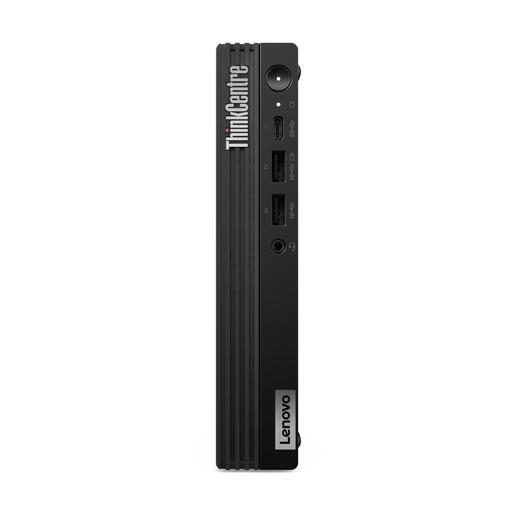
A compact Windows option for an existing Windows workflow. Check that your recognition and search software is compatible before you buy.
The product information lists Windows 11 Pro, 16 GB DDR5 and a 512 GB SSD.
A monitor and power adapter are not included.
 No image available
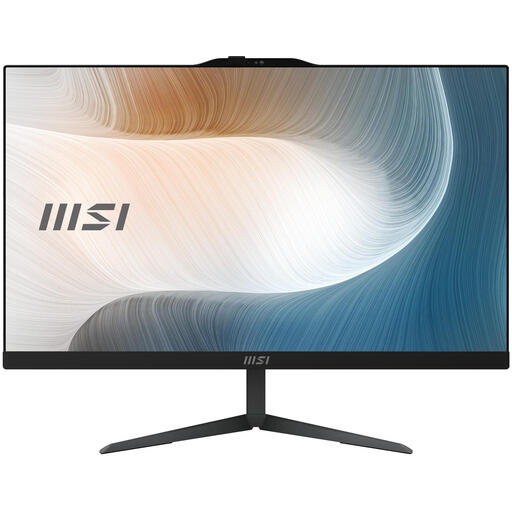
An all-in-one option if you want an integrated screen; the power adapter must be purchased separately.
The product information lists Windows 11 Pro, an Intel Core 5 120U, 8 GB DDR5 and a 512 GB SSD.
The integrated screen measures 23.8 inches and has a resolution of 1920 × 1080 pixels.
No, the desktop alone won’t make handwriting searchable. You’ll first need transcription or suitable handwriting recognition. Check names and dates that are important to your index.
First, use OCR to turn text in scanned images into searchable text. Then check that the archive folder is indexed. According to Microsoft Support, more extensive indexing can use more system resources.
Keep a restorable backup on separate storage and try restoring files. Microsoft Support explains how to use File History with an external drive or network location; Apple Support explains how to use Time Machine with an external storage device. You should also organise and describe your files, as digital archiving involves more than simply making a backup.
Check which peripherals and recognition software you need, along with the terms of use that apply. Transkribus lists a per-page credit cost for text recognition. For a consumer purchase in the Netherlands, you’re entitled to a product that works properly and should contact the seller if there’s a fault. According to the Dutch government, there’s no fixed statutory warranty period in the Netherlands.
It depends on how they’re used and who can see the publication. The Dutch Data Protection Authority describes an exception for exclusively personal or household use, subject to conditions including a limited audience and no public discoverability. So assess public publication separately from privately indexing your letters.