
Digital landscape painter
You create a polder landscape using brushes and layers. Choose your computer based on your drawing software, input device and files. Krita describes digital drawing and painting as its core use.


Start by choosing your drawing software, then decide whether your illustration will be shown on paper, on screen or both. Next, compare the software requirements, storage, monitor connections and the peripherals you already have. A compact desktop may suit a permanent workstation, while expandability is mainly worth considering if you plan to take on more demanding projects later.
You create a polder landscape using brushes and layers. Choose your computer based on your drawing software, input device and files. Krita describes digital drawing and painting as its core use.
Your illustration will appear on a poster or other printed material. Alongside the computer, the on-screen display and the colour settings in the printing process also matter. Adobe explains colour management when printing from Illustrator.
You’re looking for a desktop that fits the available space, and you’re checking which peripherals are already there. Check what’s included with each configuration.
Start with your drawing software and how your work will be presented. This will help you work out which computer and additional equipment are right for your project.
| What to consider | What should you check? | Who is this important for? |
|---|---|---|
| Drawing software and files | Check the requirements for the version you want to use, the installed memory and the SSD space available for your files. Adobe lists separate system requirements for Illustrator; Krita is designed for digital drawing and painting. | If you mainly paint digitally, you’ll want to match your computer to your software and files rather than choosing extra specifications without a clear reason. Around 33% of consumers make their drawing workflow their top buying priority. |
| Printing and colour | Ask the organiser or printer about file requirements and the relevant colour or printer profile. Also check how to connect your existing monitor. | If your work will be printed, you’ll want to know in advance which output and colour settings are needed. Around 25% of consumers put printing and colour at the top of their priority list. |
| Complete workstation | Make a list of your monitor, keyboard, mouse and drawing input devices. Check whether memory, storage and an operating system are included with the computer you choose. | If you’re setting up a workstation from scratch, you’ll want to know what else you need besides the computer. Around 25% of consumers focus mainly on the total cost of a complete drawing workstation. |
| Space and connections | Compare the case size and check the monitor connections and any expansion options available with the specific configuration. | For a small desk, the computer’s footprint may be a deciding factor, as long as the model you choose also connects to your monitor and peripherals. Around 17% of consumers make limited workspace their top buying priority. |
According to ASUS, the ASUS NUC 15 Pro kits reviewed are supplied without a pre-installed operating system, memory or storage. You’ll need to put together the complete configuration before you can decide whether it’s right for your workspace.
Compare the components of a complete, usable configuration and check what you’ll need to add yourself.
Remember to factor in the cost of the necessary components and the time needed to install them.
HP highlights expansion space and professional graphics card options for the Z2 Tower G9, but that doesn’t mean you automatically need those components for a single 2D project.
Choose based on the software you actually use and the work you do. Only compare more powerful configurations if you also plan to use them for other, more demanding projects.
Printing calls for attention to the colour settings in your workflow. The Lenovo ThinkCentre M75q Gen 5 Tiny configuration reviewed also doesn’t list a keyboard or mouse as included.
Decide how you’ll present your work and make a list of your monitor and input devices before comparing configurations.
A suitable monitor, drawing input device or print preparation may also be part of your workstation setup.
The Mac mini M6 is a compact macOS desktop for anyone who wants to use that ecosystem and already has, or is buying, a separate monitor.
The ThinkCentre M75q Gen 5 Tiny is a small Windows desktop. What you get depends on the exact configuration.
The NUC 15 Pro is a mini PC range with kits for people who want to choose their own components.
The Z2 Tower G9 is a tower workstation to consider if expandability matters more to you than a compact case.
Compare these Joybuy desktops and mini PCs by the components and connections your drawing software, monitor and workspace require.
 No image available
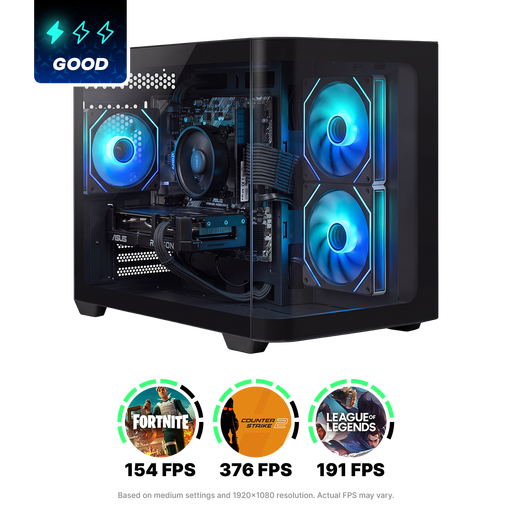
Compare the listed Windows configuration with your drawing software requirements and the monitor you use.
AMD Ryzen 5 5500; Radeon RX 9060 with 8 GB graphics memory; 16 GB DDR4; 500 GB NVMe SSD; Windows 11 Home.
 No image available
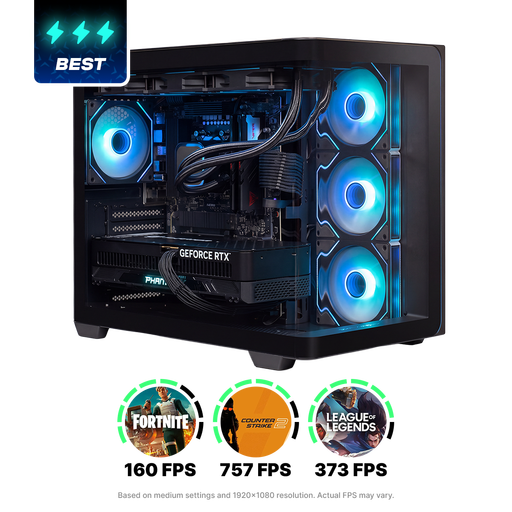
Check that the configuration suits the software you actually use and the other components of your permanent drawing workstation.
Ryzen 9 9900X3D; GeForce RTX 5090 with 24 GB graphics memory; 32 GB DDR5; 2 TB NVMe SSD.
 No image available
Check the listed display outputs and compare the configuration with your drawing software requirements.
Intel Core Ultra 7 265F; 32 GB DDR5; 1 TB SSD; NVIDIA GeForce RTX 5070 with 12 GB graphics memory; Windows 11 Home.
 No image available
Before choosing, check which connections and software environment will work with your monitor and intended drawing workflow.
NVIDIA GB10; 128 GB RAM; 4 TB SSD; NVIDIA DGX OS.
 No image available
Its compact size may suit a small workspace; also check that the listed connections work with your monitor.
AMD 6600H; 16 GB LPDDR5; 512 GB M.2 NVMe SSD; Windows 11 Home; HDMI 2.1 and DisplayPort 1.4.
Yes. First decide whether you’ll mainly paint digitally or create vector shapes, and find out which files the organiser needs. Krita focuses on digital painting and illustration; Adobe publishes separate technical requirements for Illustrator. Match your computer to the software version you’ll actually use.
First, ask the organiser or printer about the file requirements. Then check the colour settings for your screen and print workflow; Adobe explains colour management when printing from Illustrator. You can’t determine the final print result from desktop specifications alone.
No. First check the monitor connections and what’s included with the specific model. For the NUC 15 Pro kits reviewed, ASUS lists no pre-installed operating system, memory or storage. According to Lenovo, the ThinkCentre configuration reviewed doesn’t include a keyboard or mouse.
The Dutch Government states that there’s no fixed statutory warranty period in the Netherlands; however, if a product is faulty, the seller must offer an appropriate solution. For online purchases from a business, you generally have 14 days to change your mind. The terms and exceptions that apply depend on the purchase.
Not necessarily. According to the Dutch Government, you may only use other people’s copyright-protected photos for distribution or publication with the creator’s permission. An illustration shown at a public event is different from a copy for your own use.