Start with the DAW, plug-ins and audio interface you already use. Then choose a desktop with a processor, memory, storage and connections suited to your own sessions. A compact Windows PC may suit you if your software and interface support Windows; a Mac mini if your workflow is built around macOS; or an expandable desktop if you want to upgrade components later. Ableton stresses that the computer performance you need depends on factors such as the number of tracks and plug-ins. Minimum system requirements are no guarantee of performance for your mix.
Who is this choice relevant to?
Mixer who uses lots of plug-ins
If you work with multiple tracks and effects, compare the processor and memory with your own session rather than relying on the minimum system requirements alone. Ableton says that what you need depends on your workflow, the number of tracks and the plug-ins you use.
Producer with an existing DAW
If you want to keep using your existing projects, plug-ins and audio interface, first check that your software versions and drivers are compatible with Windows or macOS. Ableton also explains what to consider when transferring projects to another computer.
Evening mixer with a small workspace
For a permanent, compact setup, consider the dimensions, connections and space available for your screen and peripherals. Image-Line notes that cooling can create noise; a small case alone won’t tell you how noisy a particular model will be during a mix.
What should you look for when buying?
| What to consider |
What should you check? |
Who is this most relevant to? |
| Processing tracks and effects |
Compare the processor and RAM in the exact configuration with your DAW, and test a representative project where possible. Ableton lists 8 GB RAM as a requirement for Live and recommends 16 GB or more for the use cases it discusses; this is not a general requirement for every DAW. |
With a session containing lots of tracks, I want to know whether my computer can process my effects, not just whether the software can be installed. Around 33% of consumers give project processing their highest priority. |
| Existing software and interface |
Check the exact DAW and plug-in versions, operating system, interface connection and relevant driver. Ableton notes that plug-ins are not included with project files when collecting audio files. |
If I want to keep using my current projects and audio interface, the whole software and driver setup needs to be compatible. Around 27% of consumers prioritise keeping their existing software. |
| A quiet workspace |
Measure the space available and check ventilation and connections. For claims about noise, a measurement of the exact model under comparable load is more relevant than its size alone; Image-Line notes that cooling can create noise. |
When I’m listening in a small or shared room in the evening, I want to know how the computer will fit and sound there. Around 20% of consumers give a quiet, practical workspace their highest priority. |
| Project storage and back-up |
Take stock of your project and sample files, then compare them with the available SSD space. For external storage, check which connection you need and keep a separate back-up; Ableton recommends a separate back-up drive for projects and recordings. |
If I need to keep my projects and sound libraries stored locally, I want to know in advance how much space they’ll need and how I’ll keep a copy. Around 20% of consumers prioritise storage and keeping their projects. |
Common buying mistakes
-
Assuming minimum DAW requirements guarantee performance
Minimum system requirements don’t tell you how a project with your number of tracks and plug-ins will run. Ableton says the configuration you need depends on your workflow and the project.
Compare the exact configuration with your own session and, where possible, test a representative project before deciding.
-
Assuming a compact PC will be quiet enough
A small case or the manufacturer’s description isn’t a noise measurement of the exact model during a mixing session.
Look for a measurement of the model under comparable load, and check where the computer can go and whether it will have enough room for ventilation.
-
Mistaking a mini PC kit for a complete computer
For the NUC 15 Pro, ASUS distinguishes between complete mini PCs and kits without a pre-installed operating system. What’s included and how ready to use each one is varies by version.
Check the full variant number and which components and software are included with that specific version.
-
Comparing the computer alone
Your setup also needs to work with your screen, audio interface and any other equipment you need. Your project files also need a separate back-up.
Make a note of the equipment and connections you already have, and plan a separate project back-up; Ableton recommends using a separate back-up drive.
Brands to compare
Lenovo
The ThinkCentre M70q Gen 5 Tiny is a compact Windows desktop worth comparing if you’re looking for a permanent workspace and access to components matters to you.
- For model 12TD0017MH, Lenovo lists a Core i5-14400T, 16 GB memory and a 512 GB SSD, and describes access for maintenance and upgrades.
- These specifications apply to this configuration and, by themselves, say nothing about performance or noise during your mixing session.
Apple
The Mac mini offers a compact macOS option if your DAW and existing workflow are suited to a Mac.
- Apple lists 16 GB unified memory and a 256 GB SSD for the Mac mini with M6 chip.
- Compare the storage with your projects and sound libraries, and check that your plug-ins and audio interface work with the software versions you choose.
HP
The EliteDesk 8 Mini G1i is a compact Windows configuration worth comparing for its components and connections.
- For configuration 998U8ET#ABH, HP lists Windows 11 Pro, a Core Ultra 7 265T, 16 GB RAM and a 512 GB SSD.
- Check the connections and interface driver for this version; the listed configuration is not an independent test of a mixing session.
ASUS
According to ASUS, the NUC 15 Pro family includes both complete mini PCs and kits, so the version you choose determines what you’ll need to supply yourself.
- ASUS distinguishes between versions with Windows pre-installed and kits without a pre-installed operating system.
- Check the full variant number and what’s included; features of the product family don’t necessarily apply to every kit.
Joybuy product picks
These product picks include compact Windows desktops and an all-in-one PC. Compare the listed configuration and connections with your DAW, audio interface, workspace and files.
 No image available
Lenovo Yoga Mini 01IPH11 Copilot+ PC
The mini PC form factor may suit a compact, permanent workspace; check that your DAW and audio interface work with Windows 11 Home.
Core Ultra 5 325, 16 GB LPDDR5X memory and 512 GB PCIe 4.0 SSD.
The listed connections include Thunderbolt 4, USB-C, USB-A, HDMI and a headphone/microphone combo jack.
The product description specifies a 0.65-litre chassis.
View at Joybuy
 No image available
Lenovo IdeaCentre Mini
This mini PC may suit a compact Windows setup; check that your DAW and audio interface work with Windows 11 Home.
Core 5 210H, 16 GB memory and a 512 GB SSD.
The listed connections include Thunderbolt 4, HDMI and DisplayPort; the described case is 1 litre.
View at Joybuy
 No image available
FIREBAT A8 Mini PC, Ryzen AI 9 365, 24 GB, 1 TB SSD
The mini PC form factor suits anyone looking for a compact setup; compare the configuration with your own DAW project and the connections you need.
AMD Ryzen AI 9 365, 24 GB DDR5 memory and 1 TB PCIe 4.0 SSD.
The product name lists USB4 and HDMI 2.1.
View at Joybuy
 No image available
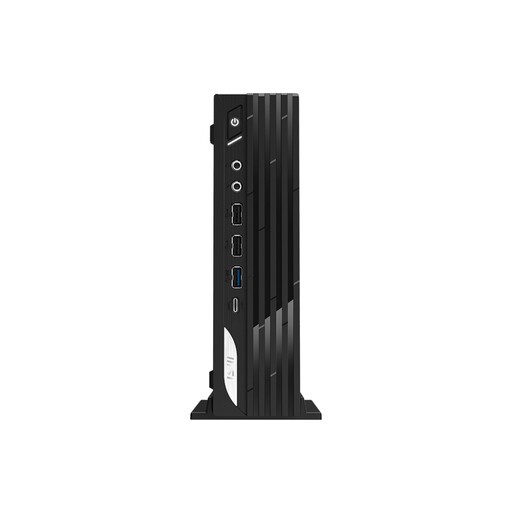
MSI Pro DP21 14M-1042EU, Core i7-14700
This compact desktop may suit a permanent Windows workspace; check that the connections work with your audio interface and screen.
Intel Core i7-14700, 16 GB DDR5 memory, 1 TB SSD and Windows 11 Pro.
The product information lists HDMI, DisplayPort and USB connections.
View at Joybuy
 No image available
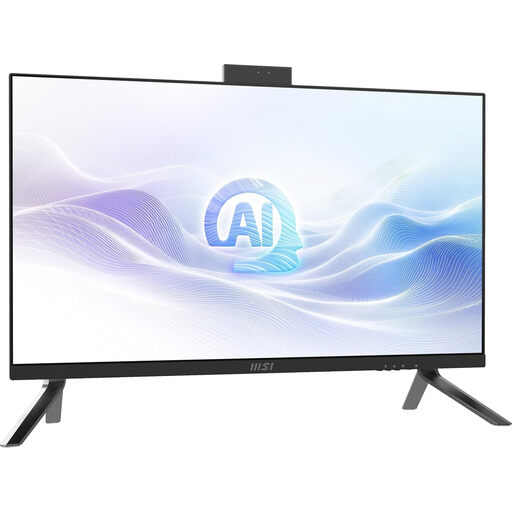
MSI Modern AM273Q AI 1UM-058EU, 27-inch all-in-one
An integrated screen may suit you if you want your computer and display in one device; bear in mind the space needed for the 27-inch screen.
Intel Core Ultra 7 155H, 32 GB DDR5 memory and 1 TB SSD.
The integrated QHD screen has a resolution of 2560 × 1440 pixels; the system lists Windows 11 Pro.
View at Joybuy
Frequently asked questions
Is 8 GB RAM enough for this mixing session?
8 GB meets the stated system requirement for Ableton Live 12, but it doesn’t guarantee that your project will run smoothly. Ableton recommends 16 GB or more for the use cases it discusses; the number of tracks, plug-ins and the rest of your workflow still matter.
How do you connect your audio interface and reduce latency?
First check that the connection and driver work with your operating system. If you use Ableton on Windows, Ableton recommends a suitable ASIO driver. A smaller audio buffer can reduce latency, but it needs more processing power and may cause audio drop-outs under heavy load. Test the setting with your own session.
How do you transfer your project to another computer?
In Ableton Live, you can use ‘Collect All and Save’ to gather the audio files you’ve used in the project folder, but plug-ins aren’t included. On the other computer, check your plug-ins and licences, as well as any differences between Windows and macOS.
Can you play a mix featuring other people’s music at a group dance event?
Don’t assume that buying a computer or music file also gives you permission to use it in public. The Dutch government distinguishes between a private copy for personal use and making content available to the public; BumaStemra describes an event licence for using music at events. Check which permission or licence applies to the music you’re using and the specific event.


