What should you look for when choosing?
Compact Mac desktop
A good fit if: your editing software, plug-ins and interface support macOS, and you want a compact permanent workstation.
Bear in mind: compare the exact memory, storage and port configuration. Product specifications alone won’t tell you how many tracks your project can handle smoothly.
Windows desktop
A good fit if: you use Windows software or its drivers and want a specific model with the right connections.
Bear in mind: the same model name can cover different configurations, so check the full specification.
Configurable audio PC
A good fit if: you work with multiple tracks or plug-ins, or have specific external equipment, and want to tailor the configuration to suit.
Bear in mind: a custom build isn’t automatically necessary for a simple voice mix, and doesn’t in itself guarantee better performance.
| What to consider |
What to look for when buying |
Who is this most important for? |
| Capacity for your mix |
Compare the requirements of your DAW and plug-ins with the processor, memory and storage in the exact configuration. |
With multiple tracks or plug-ins, I want enough capacity for my project without relying only on the minimum requirements. Around 29% of consumers with this buying need make project capacity their main priority. |
| Existing audio equipment |
Make a note of your interface model, the connection it needs, and its operating system and driver support. |
If I want to keep using my interface, I first check that it works with my DAW and computer. Around 29% of consumers with this buying need prioritise compatibility with existing equipment. |
| A suitable workspace |
Check the dimensions, ports and display connections, as well as the space available for your other equipment. |
With limited desk space, I want to know how the desktop will fit into my setup without overlooking any connections. Around 21% of consumers with this buying need prioritise their workspace setup. |
| Saving and delivering your project |
Check the available local storage and distinguish between the editable project and the audio export. |
If I need to make changes to my mix later, I want to save the project and provide the requested export too. Around 21% of consumers with this buying need prioritise saving and delivery. |
The percentages relate to the primary buying priorities listed above. Don’t choose storage or memory capacity based solely on a model name: check the specifications of the exact configuration you’re considering.
Joybuy desktops for this use
These product picks focus on compact Mac and Windows desktops for editing and mixing audio locally. Before buying, check that your software, interface and project size are a good fit for the configuration you choose.
 No image available
Apple Mac mini M6, 12-core CPU and 12-core GPU, 16 GB, 256 GB SSD
A compact desktop to consider if your editing software and audio equipment support macOS.
M6 chip, 16 GB memory and 256 GB SSD. Compare the available storage with the size of your active projects.
View at Joybuy
No image available
Apple Mac mini M6, 12-core CPU and 12-core GPU, 16 GB, 512 GB SSD
A compact Mac desktop to compare if your existing software and interface work with macOS.
M6 chip, 16 GB memory and 512 GB SSD. Also check that the available connections suit your audio equipment.
View at Joybuy
No image available
Apple Mac mini M6, 12-core CPU and 12-core GPU, 24 GB, 512 GB SSD
A compact option to compare with your own requirements if your DAW and peripherals support macOS.
M6 chip, 24 GB memory and 512 GB SSD. These specifications alone don’t confirm how your project will perform.
View at Joybuy
 No image available
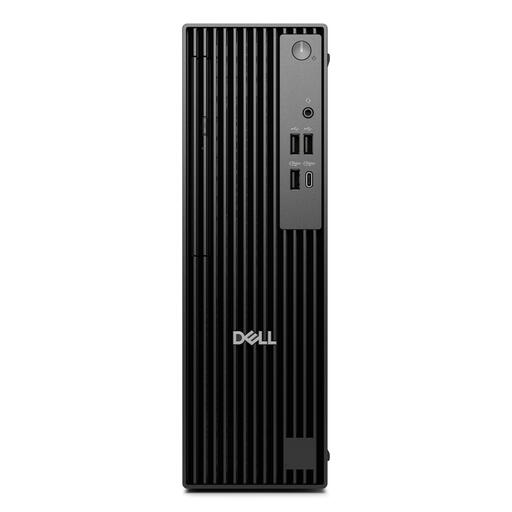
Dell Pro QCS1250, Core Ultra 5 235, 16 GB DDR5, 512 GB SSD, Windows 11 Pro
A Windows desktop to compare if your editing software or drivers require Windows.
The title lists a Core Ultra 5 235, 16 GB DDR5, 512 GB SSD and Windows 11 Pro. According to the product description, the power adapter isn’t included and must be purchased separately.
View at Joybuy
Frequently asked questions
Do you need to buy a powerful audio PC for this mix?
Not just because you edit audio. Audacity doesn’t specify a particular CPU or GPU requirement for Windows, while Ableton says the capacity you need depends on your workflow, tracks and plug-ins. Check the requirements of your software and project.
How do you check whether your audio interface will work?
Check the exact interface model, connection, and support for your operating system and DAW. For the fourth-generation Scarlett 18i20, Focusrite specifies ASIO on Windows and Core Audio on macOS; don’t assume this model-specific information applies to another interface without checking.
Is an exported audio file enough to make changes later?
No, not if you want to edit the mix again: an export is different from the editable project. Audacity advises against saving active projects to a USB stick or network storage. Save the project locally and provide the requested export as well.
What warranty applies when you buy a desktop as a consumer in the Netherlands?
In addition to any manufacturer’s or seller’s warranty, you have a statutory guarantee: the product must meet the standard you could reasonably expect with normal use. According to ACM ConsuWijzer, the seller is responsible for providing an appropriate solution if the product doesn’t conform. Don’t assume there is one fixed statutory warranty period for every desktop.
Can you publish voices, music or text from the session in your portfolio?
Not automatically. Check the rights and agreements covering the material before publishing it. The Dutch Government says that permission is generally needed to use copyright-protected text or music, subject to permitted exceptions. The Dutch Data Protection Authority says that consent is required in most cases to publish personal data online. The rules and agreements that apply depend on the material and how you share it.


