Start with a desktop that runs your DAW, plug-ins and audio interface. Then match the memory, processing power and SSD storage to your sessions. For a dance track that changes often, clearly labelled project versions, collected audio files and separate backups are just as important: a faster computer won’t manage your files for you.
Who is this desktop choice for?
Mixer handling frequent revisions
You regularly receive new versions or audio files and want to be able to find and share a session later. Project folders, collected media and working storage therefore matter just as much as computer performance. Ableton recommends saving Live Sets in separate Live Projects and explains how to collect the media you’ve used.
Mixer using lots of plug-ins
You work with multiple tracks, instruments or effects and want to check whether the processor and memory are suitable for the size of your sessions. According to Ableton, the capacity you need depends on your workflow, the number of tracks and the plug-ins and instruments you use.
Mixer with existing audio equipment
You already use an audio interface and plug-ins. Before choosing Windows or macOS, check that the relevant drivers, software versions and connections are compatible with your equipment.
What should you look for in a desktop for a frequently revised mix?
Compact Windows desktop
A good fit if: your DAW and audio interface support Windows and you have limited desk space.
Keep in mind: check the connections and upgrade options on the exact configuration; a compact case doesn’t guarantee low audio latency.
Compact Mac desktop
A good fit if: your DAW, plug-ins and interface are compatible with macOS and Apple silicon.
Keep in mind: choose storage capacity to suit your projects and sample libraries, and check compatibility for each software version.
Windows tower
A good fit if: you have room for a larger case or want to explore the option of upgrading components later.
Keep in mind: don’t pay for workstation or graphics features without first checking whether your audio projects need them.
| Consideration |
What to look for when buying |
Who is this most relevant to? |
| Project versions and handover |
Compare the SSD capacity with your projects and sample libraries, and plan for backups too. In Ableton Live, use a dedicated project folder and collect the media you’ve used when handing a project over. |
If I want to share a clearly identifiable session after contributions or changes, the audio files used need to be included. Around 36% of consumers prioritise project changes and shareable versions. |
| Tracks and plug-ins |
Compare the processor and installed RAM in the exact configuration with the requirements of your DAW and plug-ins. Ableton Live 12 requires at least 8 GB RAM; Ableton recommends 16 GB or more for more demanding use. |
For sessions with multiple tracks, instruments or effects, I want enough processing power and memory for my workflow. Around 29% of consumers prioritise the demands of tracks and plug-ins. |
| Software, interface and latency |
Check that your DAW, plug-ins, operating system and interface driver are compatible. According to Ableton, a smaller buffer reduces latency but requires more processing power. |
If I want to keep using my existing interface and plug-ins, the right versions and connections need to be available. Around 21% of consumers put compatibility and audio latency first. |
| Size and upgrade options |
Measure the space available and check the connections, installed memory and upgrade options on the exact model. |
For a small workspace or possible upgrades later, I want to know how much room the computer takes up and what I can change about the configuration. Around 14% of consumers give size and future upgrades top priority. |
Common pitfalls when choosing a desktop for audio mixing
-
Assuming a larger SSD prevents project files from going missing
In Ableton Live, a standard save can keep references to files stored outside the project. Those audio files may then be missing when you hand the project over.
Check how your DAW collects media, keep clearly labelled versions and arrange separate backups.
-
Assuming a powerful desktop guarantees low audio latency
The driver, interface, buffer setting and plug-ins all play a part. A smaller buffer requires more processing power and can cause audio dropouts when a session is under heavy load.
Check that your interface and driver are compatible with the operating system you choose, then test the settings with a representative session. Ableton describes ASIO as a driver option for Windows.
-
Choosing a Mac, mini desktop or tower based on the product range alone
Memory, storage and connections can vary between configurations. Extra graphics or workstation features won’t automatically solve a bottleneck in an audio project.
Compare the full configuration with your DAW, plug-ins, interface and working files before choosing a case size.
Brands to consider
Lenovo
The ThinkCentre M75q Gen 5 Tiny is a compact Windows option. The Dutch configuration 12RQ003QEZ lists a Ryzen 7 PRO 8700GE, 16 GB RAM and a 512 GB SSD, according to Lenovo Netherlands.
- Lenovo says the memory and SSD can be accessed without tools.
- Check the ports and driver support for your audio interface; the manufacturer’s specifications aren’t an independent audio performance test.
Apple
The Mac mini is a compact macOS option if your DAW, plug-ins and interface are compatible with Apple silicon. Apple lists several configurations of the Mac mini with M6.
- The different configurations offer a choice of memory and SSD storage, according to Apple.
- Check compatibility with your existing audio software, interface and specific software versions.
Dell
The Pro Tower Plus QBT1250 is a Windows tower option. The QBT1250 configuration listed includes a Core Ultra 7 265, 16 GB RAM and a 512 GB SSD, according to Dell Netherlands.
- Dell describes configurable and upgradeable options.
- The components listed apply to the specified configuration; check the connections and specifications of the version you’re considering.
HP
The Z2 Tower G1i is a larger workstation option. For configuration C69C2EA#ABH, HP Netherlands lists 32 GB RAM and a 1 TB SSD.
- HP lists upgrade options for this product range.
- Extra workstation features aren’t automatically necessary for audio mixing; check the configuration and connections of the exact model.
Joybuy products for desktop mixing
These Joybuy product picks suit desktop mixing where local SSD storage for project and media files is important. Check that each model’s connections and software are right for your audio interface and workflow.
 No image available
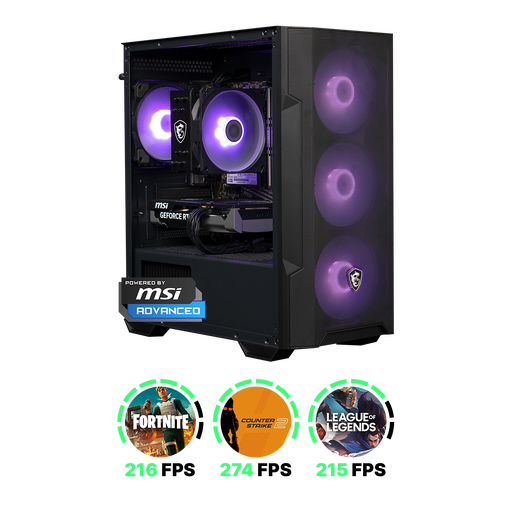
Shark Max Bite R500 Gaming PC, Ryzen 5 5500, 16 GB, 500 GB SSD
A desktop PC with SSD storage for anyone who wants to keep project and media files locally.
The listed configuration includes a Ryzen 5 5500, 16 GB DDR4 and a 500 GB NVMe SSD. According to the product description, the power cable or charger must be purchased separately.
View at Joybuy
 No image available
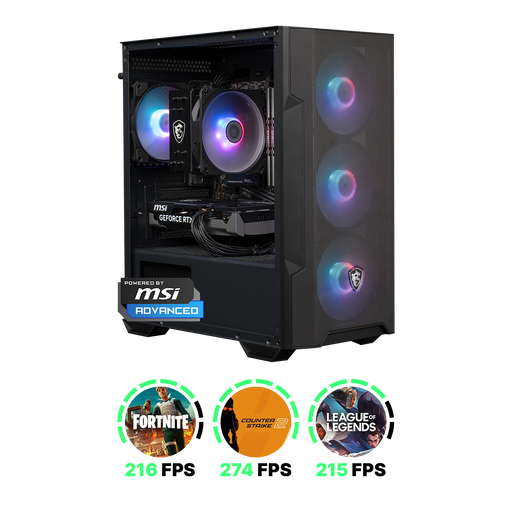
Shark Max Bite R501 Gaming PC, Ryzen 5 5500, 16 GB, 1 TB SSD
This configuration offers local SSD storage for project and media files.
The listed configuration includes a Ryzen 5 5500, 16 GB DDR4 and a 1 TB NVMe SSD. According to the product description, the charger must be purchased separately.
View at Joybuy
 No image available
ACEMAGIC E3B Mini Desktop, Ryzen 5 7430U, 16 GB, 512 GB SSD
A mini desktop for anyone looking for a compact computer with local SSD storage.
The title lists 16 GB LPDDR4X memory, a 512 GB M.2 SATA SSD and Windows 11 Pro. Listed connections include HDMI 2.0, DP 1.4b and USB-C; check they’re suitable for your monitors and audio equipment.
View at Joybuy
 No image available
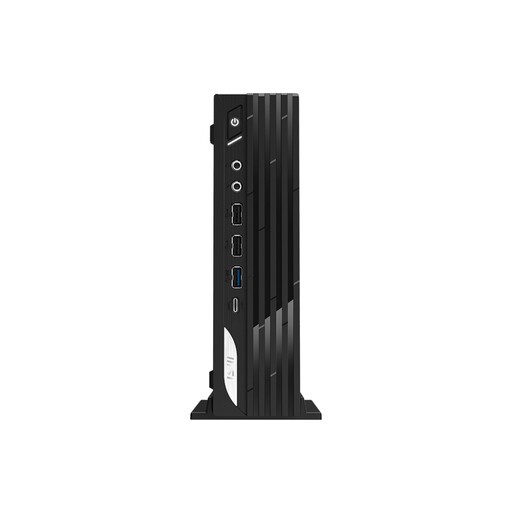
MSI Pro DP21 14M-1042EU, Core i7-14700, 16 GB, 1 TB SSD
This mini desktop PC offers SSD storage for local project and media files.
The product details list a Core i7-14700, 16 GB DDR5, a 1 TB SSD and Windows 11 Pro.
View at Joybuy
Frequently asked questions about desktops for audio mixing
Is 8 GB RAM enough to get started with Ableton Live?
The stated minimum for Ableton Live 12 is 8 GB RAM. Ableton recommends 16 GB or more for more demanding use; compare the requirements with your own DAW, plug-ins and sessions.
How can you prevent audio files from going missing when someone else continues working on the mix?
In Ableton Live, a standard save keeps references to the files used. Save the session in its own project folder, use Collect All and Save if appropriate, and transfer the entire folder; plug-ins must be installed separately on the other computer.
Should you always set the smallest audio buffer to reduce latency?
No. According to Ableton, a smaller buffer reduces latency but requires more processing power, and a heavily loaded session may experience audio dropouts. On Windows, use your interface’s ASIO driver where appropriate, and test the settings with your own project.


