
Vandaag of morgen in huis

Kwaliteit gegarandeerd

Welkomstaanbiedingen ontgrendelen: GRATIS bezorging | Tot 80% korting | Gratis 30 dagen JoyPlus-proefperiode
Download de app
A desk for working from home needs to do more than look good in a product photo. It should fit your space, offer enough room to work and stay stable when you use a monitor, laptop or printer. A student’s needs will differ from those of a gamer or someone who works from home every day.
Most disappointing purchases come down to three common pitfalls:
Read on to find out which specifications matter and which type of home desk suits different users.
First, measure the available wall space and take the desktop depth into account. A 120 cm desk is often suitable for a laptop or one monitor. If you need space for two screens, a printer or extra room to write, a 140 cm desk or 160 cm desk may be a better choice.
Keep these points in mind:
A computer desk with an 80 x 50 cm desktop can be a practical option for a compact room. If you use several devices, you’ll usually be better off with a larger office desk or a modern desk with a deeper top.
A stable desk needs more than a thick tabletop. Check how the top, frame and legs work together. Steel is often used for the frame, while chipboard is an affordable choice for the desktop. The finish and joints also affect how the desk feels in everyday use.
Pay particular attention to:
A stated weight capacity doesn’t mean you should load the desk right up to that limit. Position heavy equipment as evenly as possible and follow the manufacturer’s warnings.
A fixed home desk is straightforward and usually easy to assemble. This type suits students, school pupils and people working from home who prefer a fixed seated position. A gaming desk may be suitable if you need extra room for a large screen, mouse and keyboard. But here too, check the actual dimensions and weight capacity rather than judging by appearance alone.
A height-adjustable desk, also known as a sit-stand desk, gives you more flexibility. The models listed below have an electrically adjustable frame. Before buying, check the height range, maximum load and controls. A desk with a memory function can save your preferred heights, while a desk with USB-C may mean you need fewer separate chargers on the desktop.
According to the product information provided by the brands, these features are designed to support flexible working and help keep your workspace organised. That doesn’t guarantee that every desk will be comfortable in every room or for every user. The right chair, monitor height and room to move still matter.
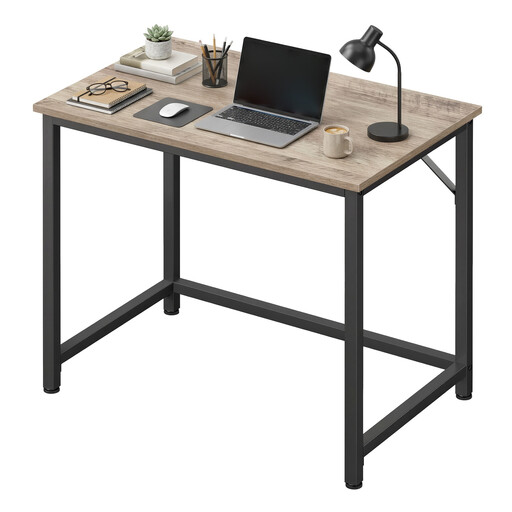
Why it suits this profile: This compact desk is a good fit for a laptop workspace, bedroom or small study. Its neutral greige and black colour scheme complements a simple interior.
The dimensions, materials and maximum static load of 50 kg are clearly stated. Adjustable feet help keep the desk stable on an uneven floor.
80 x 50 x 75,5 cm, steel frame, chipboard and assembly instructions with labelled parts.
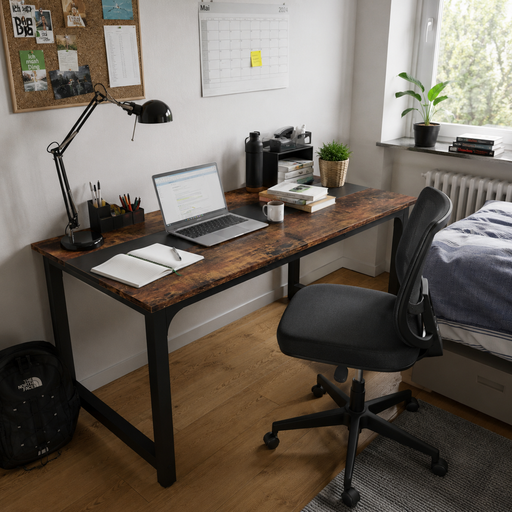
Why it suits this profile: This large desk is designed for users who want room for monitors, a printer, documents or several work materials at once.
The generous dimensions and frame design are clearly specified. The product description includes two extra steel supports, a triangular joint and adjustable foot pads.
160 x 80 x 75 cm, steel frame, adjustable feet and a stated maximum load of 400 kg.
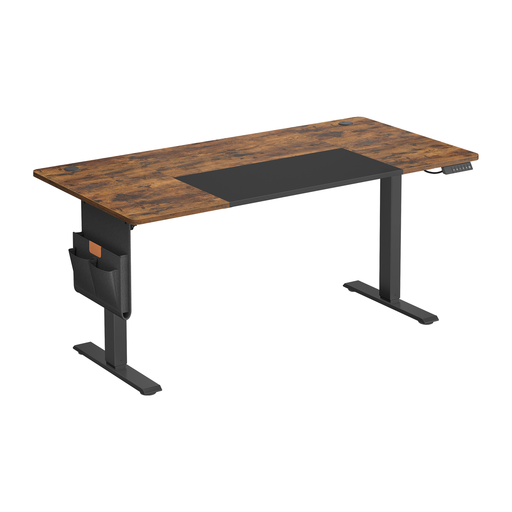
Why it suits this profile: A good choice for people working from home who want a large desktop and the option to alternate between sitting and standing.
The adjustment range of 72 to 120 cm, 70 kg load capacity and motor usage restrictions are all stated. The memory function and USB-C port are specific features, not vague promises of comfort.
160 x 70 cm, electric height adjustment, memory function, USB-C, cable management and three hooks.
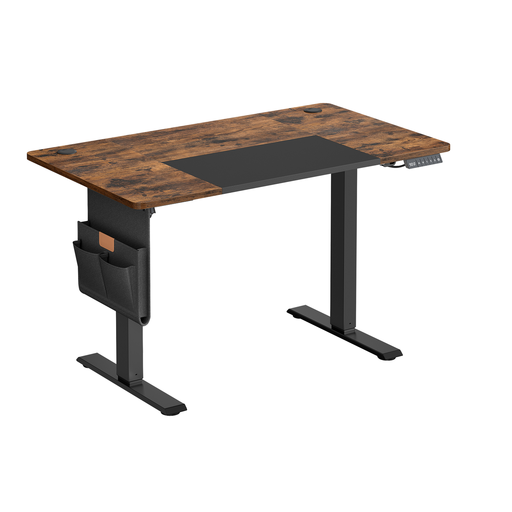
Why it suits this profile: This size gives you the features of an electric desk in a format that’s easier to fit into a bedroom, alcove or compact home office.
The product information gives the dimensions as 120 x 60 cm, an adjustment range of 72 to 120 cm and a maximum static load of 70 kg. This helps you plan for your available space and equipment in advance.
120 x 60 cm, electric height adjustment, memory function, USB-C, cable management and storage hooks.
We’ve put together a complete, up-to-date list of products that meet these strict selection criteria and applicable European safety regulations.
A 120 cm desk is usually suitable for a laptop or one monitor with a keyboard. If you use two screens, a printer or lots of paperwork, look for a width of 140 or 160 cm. Check the depth too: 60 cm gives you more room than a compact 50 cm desktop.
Its lifespan depends on the load, assembly, moisture and everyday use. A sturdy steel frame, tightly fastened joints and evenly distributed weight can help reduce wear. Keep electrical components away from liquids and follow the manufacturer’s care and safety instructions.
The motor only uses electricity while the desk is being adjusted. Exact consumption varies by model and how often you use it. An adapter is included with the electric models in this selection. Before using the desk intensively, check the maximum usage time and the recommended pause for the overheating protection.
