
Student with one regular seat
You mainly want targeted airflow beside your chair and have a stable spot for a compact appliance.


If you mainly want to feel the airflow yourself, start by considering an adjustable desk fan on a stable raised surface. For airflow around the room, a model that also rotates or oscillates may be worth considering. Compare the noise at the setting you’ll actually use, and bear in mind how much space you have: a stated maximum airflow doesn’t automatically tell you how comfortable the breeze will feel beside your chair. A fan moves air, but it doesn’t replace ventilation with fresh air from outside.
You mainly want targeted airflow beside your chair and have a stable spot for a compact appliance.
You use the same room for studying or sleeping, so you want to factor in the noise when choosing a fan setting.
You want to direct the airflow around different parts of the room, or avoid sitting in the airflow all the time.
Suitable if: you mainly want to feel the airflow beside one chair and have a stable table or desk.
Bear in mind: a desk fan placed on the floor may direct the airflow too low.
Suitable if: you also want to direct the airflow towards other parts of the room.
Bear in mind: when the fan is moving, the breeze won’t be directed at one seat all the time.
Suitable if: you don’t have a suitable table and want to direct airflow from the floor at sitting height.
Bear in mind: the fan stands on the floor, so check that it can stand securely without obstructing your route through the room.
| Factor to consider | What to check when buying | Who considers this more important? |
|---|---|---|
| Targeted airflow beside your chair | Check whether the head tilts, which speeds are available and whether you can place the fan securely. | If you mainly want to feel the airflow at your regular seat while studying, it’s worth choosing a fan that’s easy to direct. Around 40% of consumers put this need first. |
| Noise while studying or sleeping | Compare the noise with the airflow at the setting and distance you actually plan to use. | If you also use the room for sleeping or focused work, you’ll want to know what the fan sounds like at a useful setting. Around 30% of consumers make quietness their top priority. |
| Space and stability | Measure the available table or floor space, and check the base and where the cable will run. | If there’s little space beside your chair, you’ll want somewhere the fan can stand securely without blocking the way. Around 20% of consumers prioritise placement and stability. |
| Circulating air around the room | Check whether the model oscillates horizontally, can be angled vertically and lets you switch off the movement. | If you don’t want to sit in the breeze all the time but would also like to direct air towards another part of the room, the direction of movement matters. Around 10% of consumers make air circulation their main priority. |
Moving air beside your chair won’t automatically remove moisture or polluted indoor air.
Choose a fan to circulate air around the room, and continue to ventilate the room separately.
Airflow and noise can vary depending on the setting and distance. A figure for one setting won’t automatically tell you how the fan will feel beside your chair.
Compare the setting you plan to use, and consider direction, distance and noise together.
The airflow may then be too low to feel comfortable from your chair.
Check the height at which the fan needs to be placed. If you don’t have a suitable table, consider a floor-standing model instead.
Philips describes the CX2050/00 as an adjustable desk fan for use beside one seat.
Tristar describes the VE-5930 as an oscillating desk fan.
The MeacoFan 1056 is described as a desk fan for circulating air.
Duux lists noise levels for the Globe at its lowest and highest settings.
This selection of Joybuy products includes desk and floor-standing fans for targeted airflow beside your seat or air circulation around the room.
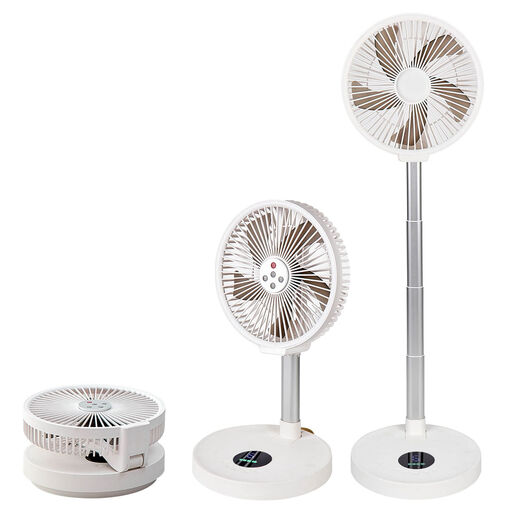 No image available
An adjustable floor-standing fan could suit you if you want to direct airflow from the floor beside your chair.
The product name lists 6 speeds, adjustable height, a remote control and a timer.
Foldable design; 7200 mAh.
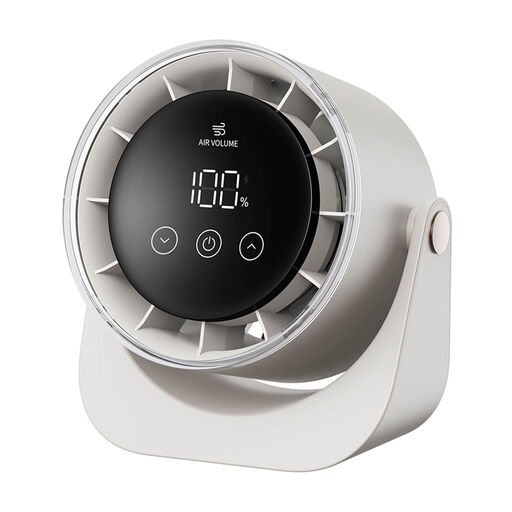 No image available
A compact desk model could suit you if you want to direct airflow towards your seat.
The product name lists an LED display, 100 speeds and a 90° adjustable tilt.
According to the product name, the model is designed for use on a stand or suspended.
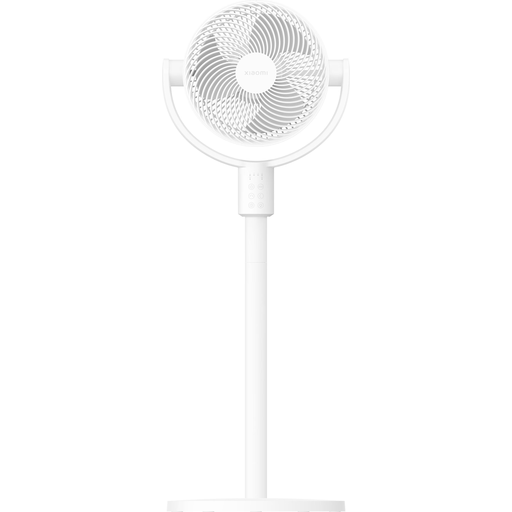 No image available
A floor-standing model could suit you if you want to direct airflow from the floor or circulate it around the room.
The product name lists app control, automatic 3D oscillation, 2 modes and 100 speeds.
The name also lists adjustable height and a DC inverter motor.
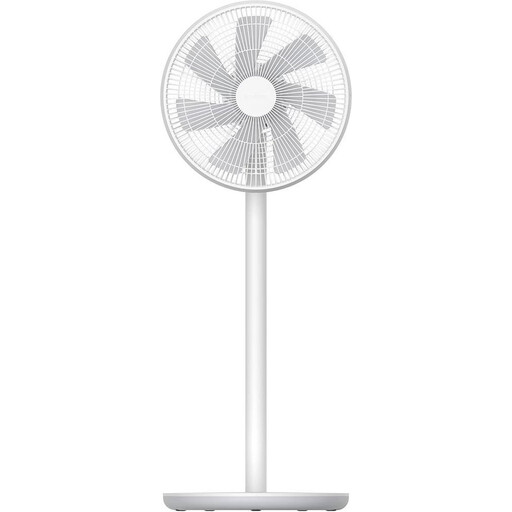 No image available
A floor-standing fan could suit you if you don’t have a suitable spot for one on a table beside your chair.
The product name lists app control and 100 adjustable speeds.
The name mentions a DC inverter motor and 7+5 double blades.
 No image available
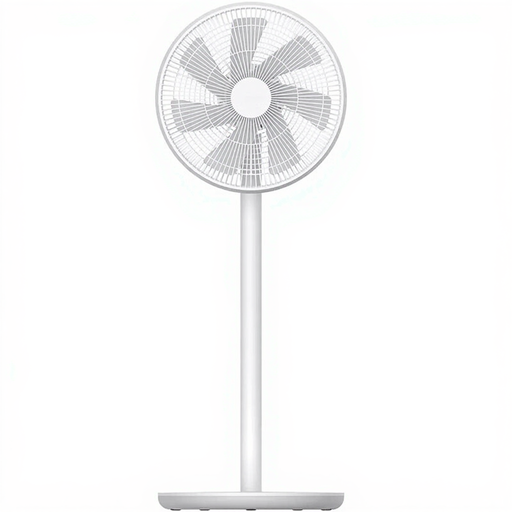
A floor-standing model could suit you if you don’t want to direct the airflow straight at yourself all the time.
The product name lists 7 blades, 90° oscillation and adjustable height.
The name lists an airflow range of 12 m.
If you have a stable raised surface beside your chair, an adjustable desk fan is a sensible option for directing airflow at one person. If there’s no space for one, compare a floor-standing model with the room you have and check that it can stand securely.
No. A fan moves air, but it doesn’t automatically remove moisture or polluted indoor air. The Dutch government recommends continuing to ventilate your home using the facilities designed for that purpose.
Compare the noise at the setting and distance you actually plan to use. The Dutch Consumers’ Association measures the airflow from fans at different speeds and distances; a figure for one setting won’t automatically tell you how the fan will feel in your situation.
Place the fan securely somewhere you’re unlikely to knock into it. Follow the instructions for your exact model when opening and cleaning it.
No. For products that must carry a CE marking under the applicable EU rules, the manufacturer declares that the product complies with those rules. Check the product information and instructions for the model you’re considering.