
Working at a desk in the living room
You work at a desk in a large living room and want airflow beyond your immediate workspace. The direction and oscillation function will determine whether a particular model meets your needs.


If you mainly want to feel a breeze at your desk, an adjustable desk fan could be right for you. If you want airflow across more areas of the living room, a model with a wider or automatic oscillation range is a more practical choice. For either type, check that you have enough space and that the noise level is acceptable on the setting you plan to use. A fan moves air, but it doesn’t cool the air in the room, according to Milieu Centraal.
You work at a desk in a large living room and want airflow beyond your immediate workspace. The direction and oscillation function will determine whether a particular model meets your needs.
You use the fan while working and want a pleasant airflow without unnecessary noise. Check the noise level on the same setting as the airflow you actually want to use.
You mainly want to feel the airflow where you’re sitting. A desk fan could be a good fit if you have a stable spot for it on your desk.
When your desk is in a large living room, your choice will mainly depend on where you want to feel the airflow, how widely you want it to spread and the conditions you work in.
| What to consider | What should you look for? | Who should consider this? |
|---|---|---|
| Airflow beyond your workspace | Check for horizontal and vertical oscillation, tilt adjustment and enough clear space around the appliance. | If you want the air to move further into the living room, circulation around the space matters most. Around 36% of consumers put this first. |
| Noise while you work | Only compare noise figures when you know which setting they refer to; also check how many speed settings are available. | If you need to concentrate and want airflow you can comfortably tolerate without the noise becoming a distraction, quiet operation comes first. Around 29% of consumers prioritise this. |
| A breeze where you’re sitting | Check whether you can direct the fan head towards your seated position and whether the appliance will sit securely on your desk. | If you mainly want to feel the airflow while sitting at your desk, a direct breeze matters more than wide coverage. Around 21% of consumers put this first. |
| Power consumption and placement | Check the stated power rating, dimensions, available space and whether any required accessories are included. | If the fan will be on frequently, consider its electricity use and make sure it won’t get in the way on your desk or in a walkway. Around 14% of consumers prioritise power consumption and placement. |
According to the Consumentenbond, a desk fan is mainly intended for one person. A tilting head doesn’t automatically mean that air will circulate throughout the living room.
First decide whether you want a breeze by your chair or airflow in several directions. Then check the tilt and oscillation functions of the specific model.
The Rowenta VU5690F0 has a stated range of 8,2 m at maximum speed, while the quiet setting is intended for a different use. The manufacturer’s page gives two noise figures for the quiet setting: 32 and 35 dB(A).
Assess the airflow and noise on the same setting you plan to use at your desk.
Duux lists the battery for the Whisper Flex² Smart as optional. A manufacturer’s warranty is also separate from your statutory rights with the seller.
Check which parts come with the appliance and assess any accessories you need separately. If the product is faulty, contact the seller.
A battery you need to buy separately may add to the cost.
The Vento 3D Silent Comfort Black is a desk fan designed to move air horizontally and vertically.
The CX2050/00 is a compact desk fan for moving air around your own seating area.
The Air Shower Fan F220 is worth considering if you want to direct airflow from the floor or from a raised position.
According to Duux, the Whisper Flex² Smart can be used on a table or on the floor, with adjustable horizontal and vertical oscillation.
The Turbo Silence Extreme VU5690F0 is a pedestal fan that moves air from floor level.
These Joybuy products include adjustable models for moving air around the living room and a compact model for use on your desk.
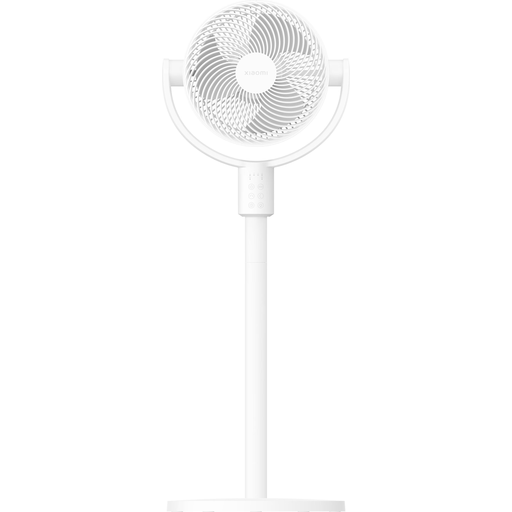 No image available
The adjustable height and automatic 3D oscillation make this a good fit if you want to direct airflow to different parts of the living room.
The product name mentions app control, two modes and 100 speeds. It also lists an airflow of 1440 m³/h, a range of 13 m and 28 dB in sleep mode. Check whether that setting provides the airflow you need.
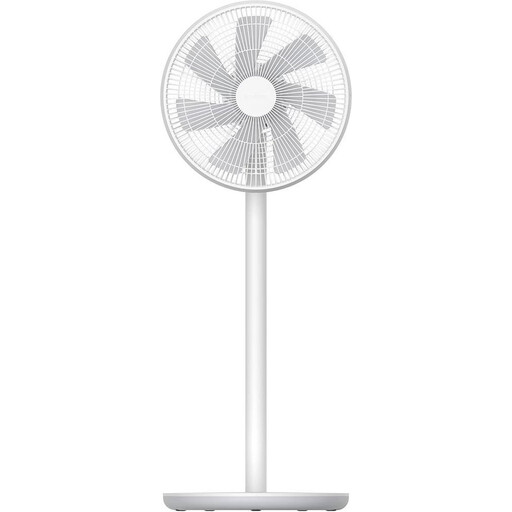 No image available
The stated table and floor positions make this a versatile option if you want to use the fan in different places around your desk.
The product name mentions app control, 100 speeds and a DC inverter motor. The variant name also mentions 7+5 dual blades.
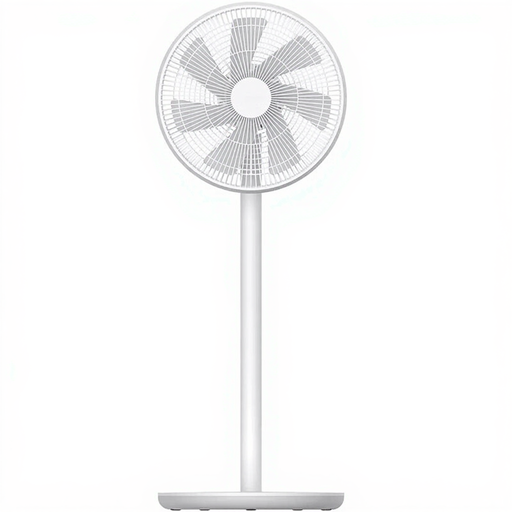 No image available
This height-adjustable pedestal fan is a good fit if you want to move air around the room and adjust the fan’s position.
The product name mentions app control, seven blades, 90° oscillation and a stated airflow distance of 12 m.
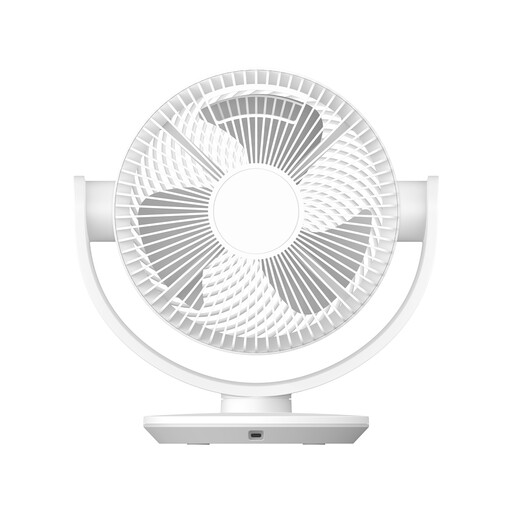 No image available
This desktop model is a good fit if you mainly want airflow right at your workspace.
 No image available
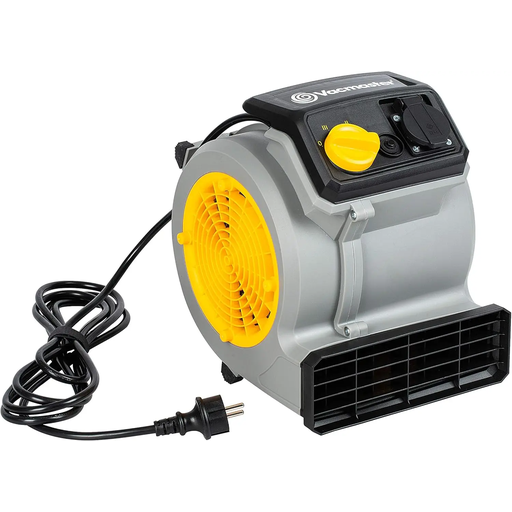
The floor-standing design and adjustable tilt make this a good option if you want to direct airflow from floor level.
The product name lists 124 W, three speeds and an airflow of 245 L/s. The product information gives a noise level of 75 dB, so bear this in mind if you’re sensitive to noise while working.
No. According to Milieu Centraal, a fan helps you feel cooler by moving air over your body, but it doesn’t cool the air in the room. So don’t rely on a fan alone if you want to lower the room temperature.
Place the fan on a stable surface and keep the cord and oscillation area clear. The Eurom Vento 3D Silent Comfort manual says to unplug the appliance before assembly or disassembly, and not to use it if the grille is removed or damaged. Follow the manual supplied with any other model.
If a product is faulty, the seller is responsible for providing a remedy free of charge in line with your statutory rights. For an ordinary online purchase, you’ll generally also have a statutory cooling-off period that ends 14 days after delivery; check whether an exception applies to your purchase. This cooling-off period for a purchase without a fault is separate from your rights if a product is faulty.
Electrical equipment covered by the Dutch rules for electrical equipment must carry the CE marking. For the Low Voltage Directive, the NVWA specifies a rated AC voltage of 50–1000 V; other product safety rules may apply to equipment outside this range. A CE marking alone doesn’t prove that a specific model has been independently tested.