What should you look for when choosing?
First, measure the temperature and humidity and investigate any recurring damp. Then choose an appliance based on its performance at the measured temperature, its controls and its drainage options. The Consumentenbond describes desiccant dehumidifiers as suitable for cold rooms, but says they use more electricity than condensation dehumidifiers.
| What to consider |
What should you check? |
Who should prioritise this? |
| Performance in cold conditions |
Measure the lowest operating temperature and compare it with the stated range for the exact model. Also consider the daily capacity in light of the test conditions. |
If my conservatory is unheated during cold periods, I want the appliance to work within that temperature range. Around 36% of consumers say suitability for cold conditions is their top buying priority. |
| Humidity around clothes |
Check whether the model has an adjustable humidistat and measure whether condensation or high humidity keeps returning. Don’t automatically apply a recommended humidity level for heated living spaces to a conservatory. |
If clothes are stored in the conservatory for a long time, I want to control damp and first check for a source such as a leak or inadequate ventilation. Around 29% of consumers prioritise protecting stored clothes. |
| Water drainage |
Check the reservoir capacity, whether a hose can be connected and what drainage route is needed. Also check what the appliance does when the collection tank is full. |
If I don’t visit the conservatory every day, I want to know how the water is drained and what the controls require. Around 21% of consumers prioritise drainage and use without daily checks. |
| Electricity consumption |
Compare the stated power input and controls, and take into account how many hours the appliance will actually run. Calculate running costs using your own electricity tariff and usage period. |
If the appliance needs to run for a long time, I want to take its electricity consumption into account once I’ve confirmed it’s suitable for the temperature in my conservatory. Around 14% of consumers prioritise running costs. |
Products on Joybuy
This selection includes dehumidifiers with humidity controls or water drainage options. The CONOPU and VINO models are described in their product information as compressor dehumidifiers; the Consumentenbond says this type is less suitable for cool rooms. Before buying a specific appliance, check that it has the mandatory CE marking and meets the applicable electrical safety requirements in the Netherlands, as explained by the Netherlands Food and Consumer Product Safety Authority.
 No image available
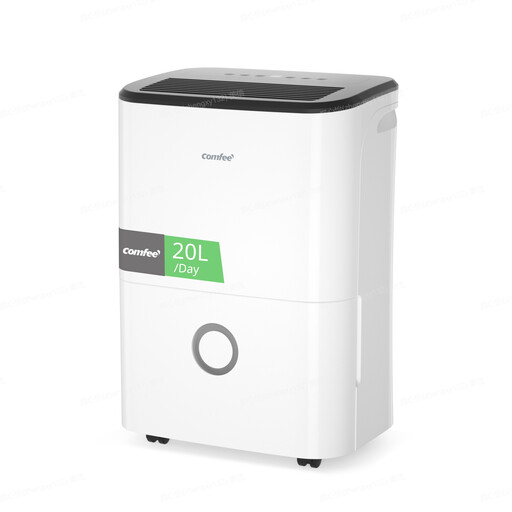
Comfee’ MDDF-20DEN7, 20 L/day
For anyone who wants automatic humidity control and water drainage while items are in storage. Check the stated operating temperature before using the appliance in a cold conservatory.
The product title lists a capacity of 20 L per day, a 3-litre reservoir and three modes. The product information mentions automatic humidity control and a connection for a drainage hose; the hose isn’t included.
Joybuy
 No image available
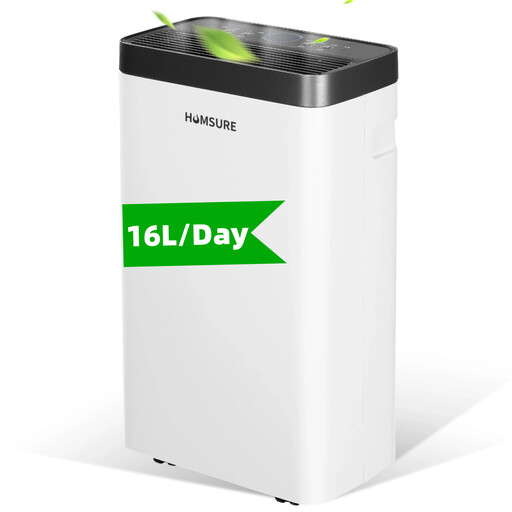
HUMSURE, 16 L/day
For anyone who wants adjustable humidity control and water drainage during longer storage periods. Check the operating temperature before using it in a cold conservatory.
The product title lists use in rooms up to 25 m² and a 1.4-litre reservoir. The product information mentions automatic controls, a timer and an included hose for continuous drainage.
Joybuy
 No image available
CONOPU 16L dehumidifier
For anyone looking for automatic humidity control and hose drainage in a room that’s usually warmer. The product information says it has a compressor, and the Consumentenbond describes this type as less suitable for cool rooms.
The product title lists a 2.5-litre reservoir and a 24-hour timer. The product information mentions an adjustable humidity level and hose drainage.
Joybuy
 No image available
VINO 12L smart dehumidifier
For anyone who values app control and drainage without having to empty the tank every day in a room that’s usually warmer. The product information says it has a compressor, which the Consumentenbond describes as less suitable for cool rooms.
The product title lists Wi-Fi control and a 1.8-litre reservoir. The product information mentions a 24-hour timer, humidity control and a connection for continuous drainage.
Joybuy
Frequently asked questions
Should I do anything to the conservatory first?
Yes. First, check for possible leaks and inadequate ventilation. The Consumentenbond describes dehumidification as a possible next step if you’ve dealt with sources of damp but humidity remains high. Milieu Centraal advises investigating the underlying cause if mould keeps returning.
Where should I put the appliance, and what maintenance does it need?
Keep the air inlet and outlet clear, and don’t put the appliance behind furniture where airflow could be blocked. Follow the instructions for the dust filter in your chosen model’s manual. The Consumentenbond suggests cleaning it every two months as a general guideline, or more often if you use the appliance intensively.
Do I need a laundry-drying mode for stored clothes?
Not necessarily. For storing clothes, humidity control and the option to drain water are more directly relevant. A laundry-drying mode is designed for drying wet washing; the Consumentenbond notes that appliances can run for long periods in this mode.
What product safety requirements apply in the Netherlands?
Electrical consumer products must carry the CE marking and comply with the applicable electrical safety requirements. The Netherlands Food and Consumer Product Safety Authority explains these requirements. Check the marking and product details for the specific model.
What should I do if the appliance turns out to be faulty?
If a product is faulty, contact the seller, who is responsible for providing an appropriate solution. According to the Dutch government, there is no fixed two-year statutory guarantee period in the Netherlands. A manufacturer’s guarantee or an extended guarantee bought separately is in addition to your statutory rights.


