
Vandaag of morgen in huis

Kwaliteit gegarandeerd

Welkomstaanbiedingen ontgrendelen: GRATIS bezorging | Tot 80% korting | Gratis 30 dagen JoyPlus-proefperiode
Download de app
Limescale. It's a silent menace in many households. It reduces the performance of your coffee machine, leaves unsightly stains in the bathroom, and can shorten the lifespan of your washing machine. The market for descalers is vast, but not every product is the right choice for your specific problem. Many marketing claims are misleading and can lead you astray, resulting in unnecessary costs or even damage to your appliances.
As a Joybuy Product Recommendation Officer, I'm here to help you separate fact from fiction. We'll look at the pitfalls to avoid and the specifications that truly matter, so you can make an informed decision.
Before you place a product in your shopping cart, it's crucial to be aware of common misconceptions.
To choose the right descaler, focus on the following objective criteria instead of marketing jargon.
The form of the descaler determines its ease of use and application.
Not all acids are created equal. The composition determines what a descaler is suitable for.
Below are some popular choices, matched to specific user profiles. These are not the "best" products, but practical solutions that align well with a clear need.
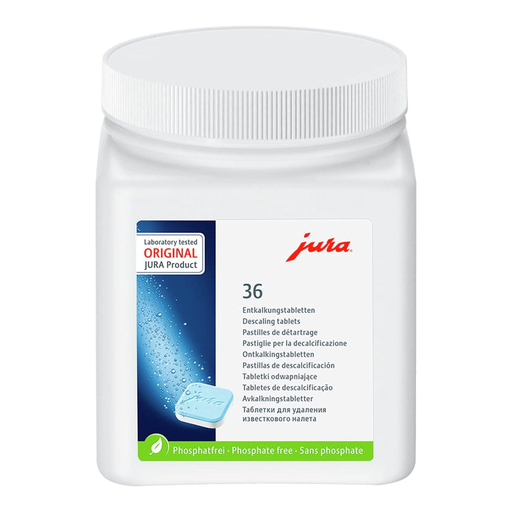
Why this fits: You've invested in a Jura coffee machine and want to ensure its longevity and coffee quality. These tablets are specifically developed for Jura's automatic machines.
This product avoids the 'universal' trap. According to Jura, the formula is precisely tailored to the materials and flow system of their machines, preventing damage from an unsuitable agent.
The manufacturer states that the tablets have a 2-phase action: they remove limescale and then seal the system to prevent corrosion. The composition is phosphate-free.
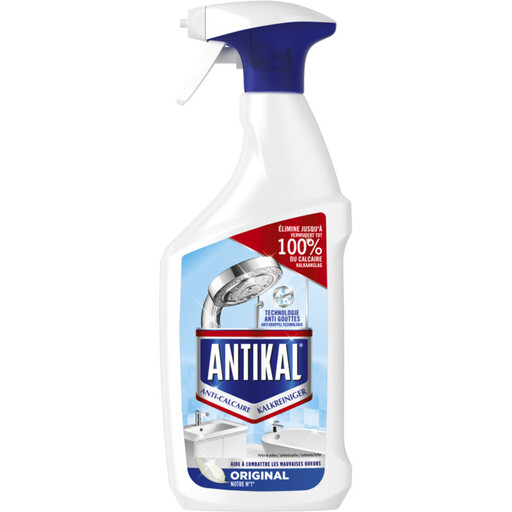
Why this fits: You're looking for a quick and effective solution for limescale on taps, tiles, and shower screens. Convenience and immediate results are your top priorities.
This product is clearly positioned as a bathroom surface cleaner. This prevents the mistake of using it in a coffee machine, where it could cause damage.
According to the manufacturer, the formula has an anti-drip technology that creates a barrier to prevent new water spots. This makes it suitable for regular, preventative use.
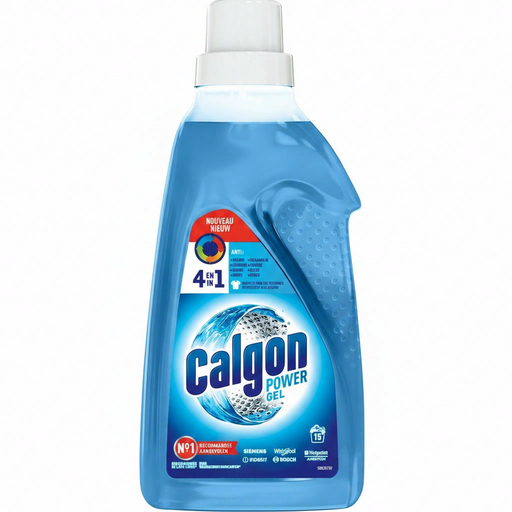
Why this fits: You want to protect your washing machine from limescale and prevent the buildup of dirt and odours. For you, preventative maintenance is the key to extending your machine's life.
This is a highly specialized product. It avoids the mistake of using a general-purpose descaler that isn't designed to also tackle soap scum and the odours that come with it.
The manufacturer claims a 4-in-1 action: protection against limescale, dirt residue, and odours, which contributes to a clean and efficient machine. It can be used with every wash.
We have compiled a complete, up-to-date list of products that meet these strict selection criteria and local regulations.
This depends heavily on the water hardness in your area and how often you use the appliance. A general guideline is every 2 to 3 months, or whenever your machine indicates it's time. Many modern coffee machines have a built-in counter that will notify you when a descaling cycle is due.
Although vinegar can dissolve limescale, it is not recommended by most appliance manufacturers. Acetic acid can be too aggressive and can damage materials like rubber seals and certain metal parts in your coffee machine or kettle. This can lead to leaks and may void your appliance's warranty. It is safer to use a product specifically designed for this purpose.
A water filter, like those sometimes placed in a coffee machine or water pitcher, works preventatively. It filters minerals such as calcium and magnesium from the water before it is heated, thereby reducing the formation of limescale. A descaler is an agent you use to actively remove limescale that has already built up. For optimal maintenance of a coffee machine, for example, a combination of both is often the best approach.
