
Vandaag of morgen in huis

Kwaliteit gegarandeerd

Welkomstaanbiedingen ontgrendelen: GRATIS bezorging | Tot 80% korting | Gratis 30 dagen JoyPlus-proefperiode
Download de app
Limescale builds up quickly in British households, especially in areas with hard water. A descaler can help maintain your coffee machine, kettle, bathroom, plumbing or washing machine. However, not every limescale remover is suitable for every application.
Choosing the wrong product can lead to damaged surfaces, leftover residue, or a coffee machine that doesn't rinse properly. So don't just look for terms like "powerful" or "anti-limescale" – pay close attention to compatibility, dosage and usage instructions.
A bathroom descaler is designed for surfaces such as tiles, taps, shower screens and sanitaryware. Its composition and application are not automatically suitable for internal pipes, heating elements or food contact in a coffee machine.
For a coffee machine, it's best to use a brand-specific coffee machine descaler or a universal product that clearly states its suitability for your appliance. A bathroom product should never go into an espresso machine, kettle or baby food warmer.
Limescale and coffee oil are different types of dirt. Descaling tablets remove mineral deposits. Cleaning tablets are generally intended for coffee oil and other residue in a machine's cleaning programme.
For example, JURA Cleaning Tablets 6-Pack 24225 is a product for the 3-phase cleaning programme of JURA automatic machines. It is therefore not the same as a descaler. Always check whether your machine is giving a cleaning or descaling alert.
Words like "eco-friendly", "professional" or "extra strong" tell you very little about practical suitability. According to De'Longhi's own information, EcoDecalk is made from plant-based ingredients and the bottle is partly made from recycled plastic. That may be relevant, but you should also check the contents, dosage, compatibility and safety information.
Claims about performance or lifespan are no guarantee for your specific appliance. Follow the manufacturer's instructions and only use a product for its intended purpose.
First, work out which type of descaler you need:
Pay extra attention to surfaces that are sensitive to acids. For example, 3G Professional Device Descaler states that use on marble, limestone, travertine, certain coatings and some metals is not recommended. If in doubt, test an inconspicuous area first.
Descaling liquid is practical when a machine requires a specific dilution. De'Longhi EcoDecalk Mini contains two 100 ml bottles. The Gaggia Descaler is supplied as a 250 ml liquid and states that it should be diluted with water according to the machine's instructions.
Tablets are compact and easy to keep in stock. With JURA Descaling Tablets 3x3 61848, three tablets per descaling cycle are indicated; according to the product information, nine tablets are therefore enough for three cycles. However, always check that this matches your model's manual.
A gel or spray stays on a surface longer and can therefore be handy for limescale in the shower. For example, Ajax Shower Power states that it should be left to work for a few minutes on stubborn deposits. Never leave a bathroom product on for longer than stated on the label.
Don't just compare the price of a bottle or pack. Look at:
A pack with more tablets is not automatically better value if a high dosage is needed per cycle. The JURA Descaling Tablets 36 Canister 70751 contains 36 tablets and states twelve descaling treatments at three tablets per cycle. That may suit heavy use of a JURA bean-to-cup machine, but it still depends on the official machine instructions.
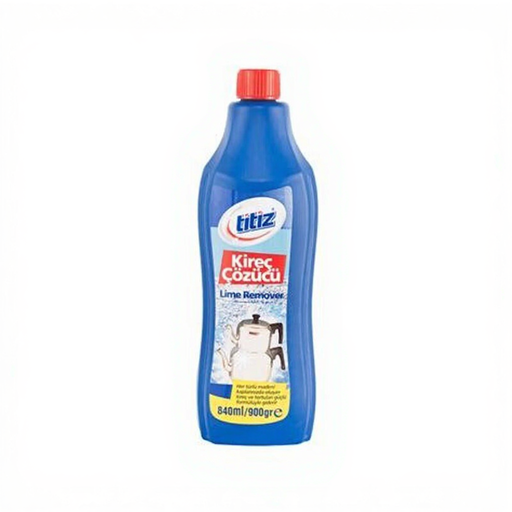
Why this fits the profile: The 900 ml contents are practical for household kitchen maintenance, as long as the label supports the application for your appliance or surface.
The product information specifically calls it a kitchen descaler. Therefore, do not automatically use it for a coffee machine or bathroom without checking the packaging.
900 ml contents and a clear positioning for kitchen appliances.
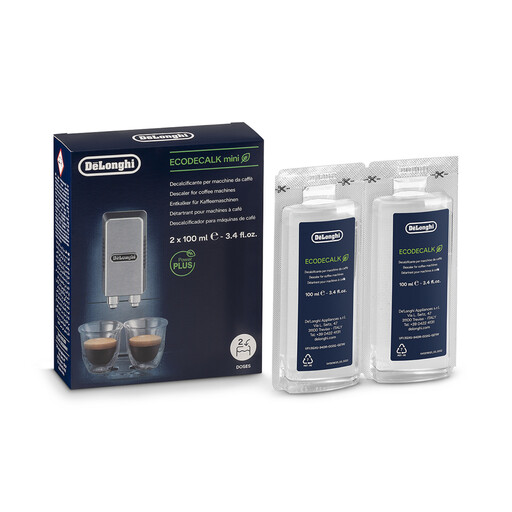
Why this fits the profile: Suitable for users who want a brand-specific liquid for coffee machines and like to keep the dosage per treatment clear and simple.
The product information mentions automatic coffee, espresso, filter and piston machines. Still check the model and follow the official descaling procedure.
Two 100 ml bottles and liquid dosage for individual treatments.
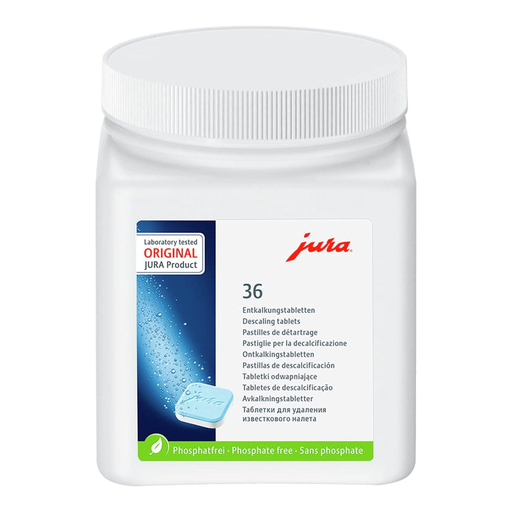
Why this fits the profile: A logical choice for owners of a JURA bean-to-cup machine who carry out regular maintenance and want to plan multiple cycles ahead.
The packaging states JURA bean-to-cup machines and three tablets per cycle. This makes the required amount clearer than with a generic tablet that has no dosage information.
36 tablets, according to the product information enough for twelve descaling cycles at three tablets per treatment.
Read the label and the appliance manual before use. Never mix a descaler with bleach or other cleaning products. Wear the recommended protection for caustic liquids and avoid contact with skin and eyes.
Thorough rinsing is important for coffee machines. After the descaling programme, run one or more rinse cycles with clean water, exactly as the manufacturer instructs. Store bottles and tablets out of reach of children and in their original packaging.
For bathroom products, also remember: do not use an acid-based limescale remover on marble, natural stone, damaged surfaces or materials that the label says are unsuitable. If in doubt, a small test on an inconspicuous area is wiser than treating the entire surface straight away.
We've put together a full, up-to-date list of products that fully meet these strict selection criteria and comply with current European safety regulations.
That depends on the water hardness, how often you use it and the brand's instructions. Some product information mentions an interval of around two to three months, but the alert or maintenance procedure on your coffee machine is the deciding factor. A water filter can affect the maintenance schedule, but it does not automatically replace descaling.
Not without checking. A bathroom descaler is developed for surfaces and may be unsuitable for internal parts or food contact. For a coffee machine, choose a product that clearly states the correct appliance category or compatibility.
Compare the price per complete cycle. Liquid can be handy for a prescribed amount per treatment, while tablets are often easy to dose individually. Look at the number of treatments per pack, not just the price of one bottle or box.
