
Vandaag of morgen in huis

Kwaliteit gegarandeerd

Welkomstaanbiedingen ontgrendelen: GRATIS bezorging | Tot 80% korting | Gratis 30 dagen JoyPlus-proefperiode
Download de app
A deodorant spray may seem like a simple purchase, but the differences between formulas can be significant. Some sprays mainly mask body odour, while an antiperspirant spray is also designed to reduce perspiration. Skin sensitivity, marks on clothing, size and frequency of use are also important considerations.
Look out for these common pitfalls:
A regular deodorant spray is primarily designed to reduce or mask body odour. An antiperspirant often contains aluminium salts, such as aluminium chlorohydrate, and is used to protect against both perspiration and odour.
The performance and protection duration stated by brands are product claims. According to NIVEA’s product information, for example, the Black & White Invisible Original spray offers up to 72 hours of protection. According to Dove’s product information, Fresh Care offers up to 48 hours. These timeframes are not a guarantee for every user; results may vary depending on activity, skin type, clothing and application method.
A formula marketed as deodorant against sweat and odour is therefore not the same as a fragranced body spray. Check the product type on the packaging:
If you are looking for deodorant for sensitive skin, it is worth checking the full ingredients list. A product may be alcohol-free but still contain perfume or fragrance allergens. NIVEA Black & White, for example, states that it contains 0% alcohol, but the ingredients list includes perfume, linalool, limonene and citronellol.
An alcohol-free deodorant can be a practical choice if you want to avoid ethyl alcohol. According to the stated product information, Deoleen 0% Sensitive contains no alcohol and includes ingredients such as aloe vera extract. Vaseline Deo Double Invisible 250 ml is also described as alcohol-free and suitable for sensitive skin. Always check the packaging again, as ingredients lists may change.
Stop using the product if you experience a burning sensation, itching or swelling. Do not use spray on damaged or irritated skin and avoid contact with the eyes.
A daily 150 ml spray is suitable if you want to use deodorant after showering or before getting dressed. Deoleen Regular Spray 150 ml and Odorex Marine Fresh 150 ml are available in this size. According to the product information, Odorex states that Marine Fresh provides 48-hour protection against perspiration.
More concentrated treatments are available for intensive users. According to the product description, Lucovitaal Antiperspirant Spray 40 ml provides up to 144 hours of protection and should be used once or twice a week. According to the usage instructions, Deoleen Treatment Spray 5 Days 30 ml should be applied once or twice a week in the evening. Odorex Extra Dry Pump Spray 30 ml states that it should be applied two to three times a week.
These products are not automatically intended for more frequent use. Follow the instructions on the packaging and only apply a treatment to dry, undamaged skin.
A 150 ml deodorant is a common size for everyday use. Larger 250 ml sprays may be worthwhile if you spray frequently or want a product for use at home. Smaller packs of 30 to 75 ml are easier to carry, but may run out sooner.
When using an aerosol, follow the safety instructions:
If you want deodorant without white marks, look for a product with an explicit anti-mark claim, such as NIVEA Black & White or Vaseline Deo Men Double Invisible. A brand claim is not an absolute guarantee for every fabric. You can reduce the chance of residue by holding the can approximately 15 to 20 cm away and allowing the skin to dry completely first.
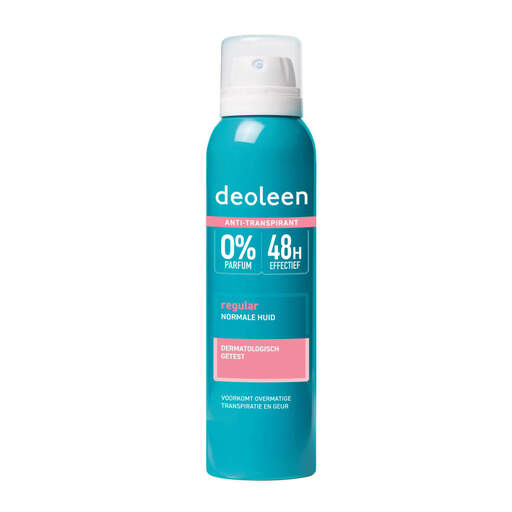
Why it suits this profile: A straightforward everyday deodorant spray in a standard size for use at home.
The ingredients and instructions are clearly stated. You know to use the spray from a distance of approximately 20 cm.
150 ml; according to the product information, contains aluminium chlorohydrate and dimethicone.
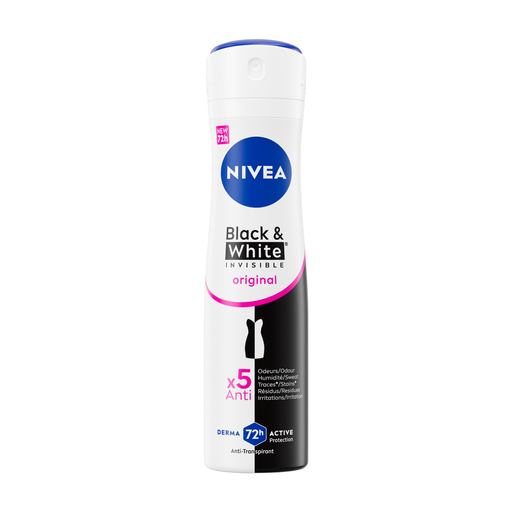
Why it suits this profile: For those who want effective protection while also caring about their clothes and choosing an alcohol-free formula.
The product information mentions protection against white marks on black clothes and yellow marks on white clothes. Make sure you still allow the spray to dry.
150 ml; 0% alcohol according to the product details; brand claim of up to 72 hours of protection.
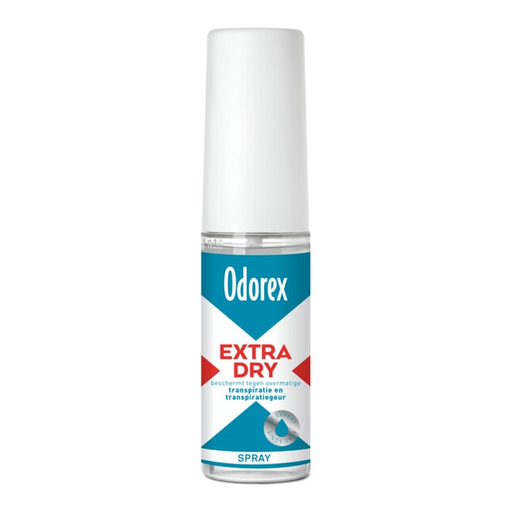
Why it suits this profile: For adults looking for a small pack and less frequent application.
The recommended frequency is clearly stated: two to three times a week, in the evening on dry underarms.
30 ml; alcohol-free and fragrance-free formula according to the product information; contains allantoin.

Why it suits this profile: The compact size fits in a wash bag and is intended for less frequent use than a daily aerosol.
The instructions state that the product should be used once or twice a week in the evening and not combined with other deodorants.
40 ml; fragrance-free according to the product details; designed for men and women.
We have put together a complete, up-to-date list of products that fully meet these strict selection criteria and the applicable European safety regulations.
Shake the can if instructed on the label. Hold the spray approximately 15 to 20 cm from clean, dry underarms and spray briefly and evenly. Allow the skin to dry before getting dressed. Use the spray in a well-ventilated area and do not inhale the mist.
The shelf life is stated on the packaging. With aerosols, storage is particularly important: keep the can in a cool, dry place away from direct sunlight. Do not expose an aerosol can to temperatures above 50 °C and do not use it if the packaging is damaged.
Not necessarily. Alcohol-free products can help if you want to avoid ethyl alcohol, but perfume and other ingredients may still cause irritation. Check the ingredients list, test the product carefully and stop using it if you experience redness, itching or a burning sensation.
