
Vandaag of morgen in huis

Kwaliteit gegarandeerd

Welkomstaanbiedingen ontgrendelen: GRATIS bezorging | Tot 80% korting | Gratis 30 dagen JoyPlus-proefperiode
Download de app
Buying a deodorant spray may seem straightforward, but the differences between products can be significant. Some sprays mainly mask body odour, while an antiperspirant spray is also designed to help reduce perspiration. Alcohol, fragrance and aluminium salts may also influence your choice.
The three most common purchasing pitfalls are:
A standard deodorant mainly targets body odour. Odour develops when bacteria break down perspiration on the skin. A deodorant may therefore contain fragrances or ingredients that help reduce odour.
An antiperspirant generally contains aluminium compounds. According to the product description, these ingredients can help reduce the amount of perspiration on the treated skin. This makes an antiperspirant spray more appealing if you are looking for a deodorant for excessive sweating. This is not a medical treatment; if your symptoms persist or cause significant discomfort, it is sensible to speak to a doctor.
Do not look only at the name on the packaging. Check whether the product information refers to:
A deodorant for body odour may be suitable for daily use when odour is the main concern. If your priority is reducing wet patches, an antiperspirant may be the better option.
An alcohol-free deodorant can be a practical choice if you are looking for a less irritating formula. If you prefer to avoid fragrance, a fragrance-free deodorant makes more sense than a version with a fresh or floral scent.
Pay attention to the difference between the marketing term “mild” and verifiable information. The product description for Odorex 0% Fragrance states that the formula contains 0% fragrance and 0% alcohol, and describes it as hypoallergenic and dermatologically tested. These descriptions come from the brand’s product information and do not guarantee that every skin type will react in the same way.
A 150 ml aerosol is practical for everyday use, while a 30 ml spray contains less product and is often intended for more targeted application. Also consider the difference between a pressurised aerosol and a pump or treatment spray.
Aerosols require extra care: these containers are flammable and pressurised. Do not use them near naked flames, heat or sparks, and do not spray them into your eyes or onto your face. Always read the label, even if you have used the product before.
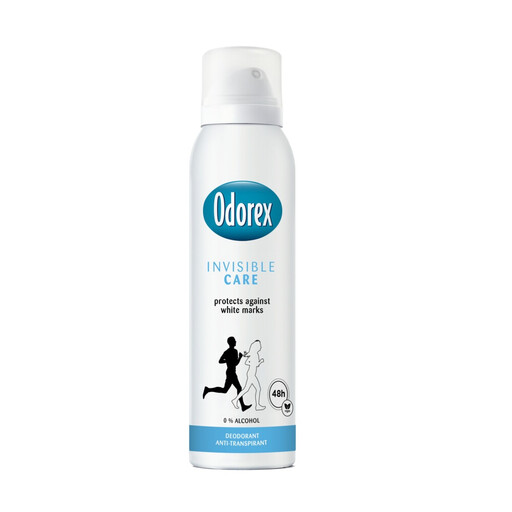
Why it suits this profile: A generously sized aerosol for everyday use, with a neutral scent and a focus on visible white marks on clothing.
The product description specifically states 150 ml, 0% alcohol, protection against white marks and, according to the brand description, 48-hour protection against perspiration. Check the current packaging for the full information.
150 ml; 0% alcohol according to the product information; a variant designed to help reduce white marks.
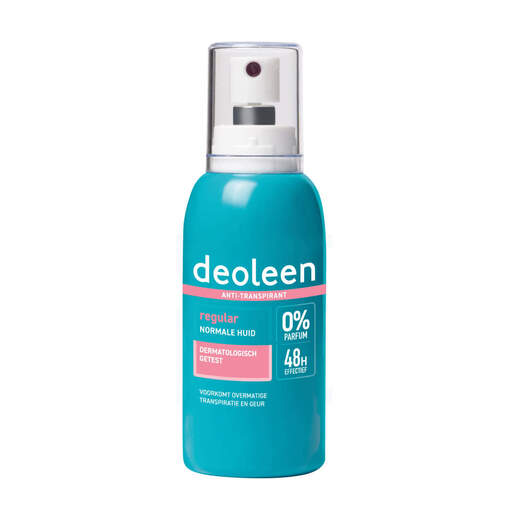
Why it suits this profile: Ideal if you are looking for a compact deodorant with targeted application and no propellant gas.
Deoleen states that this spray contains no propellant gas. However, the formula contains Alcohol Denat and Aluminum Chlorohydrate, so check beforehand whether these ingredients suit you.
75 ml; spray without propellant gas according to Deoleen; apply to clean, dry underarms.
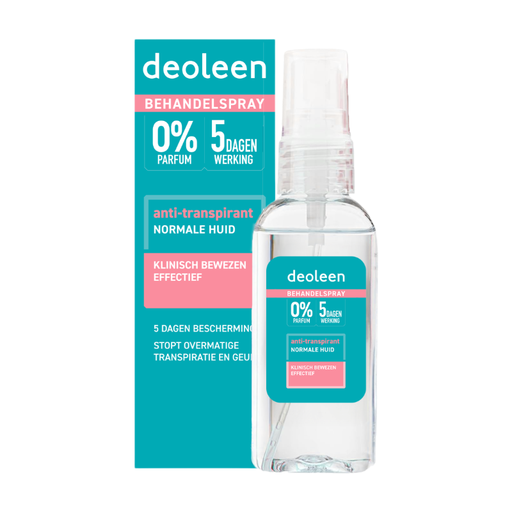
Why it suits this profile: A compact treatment spray for anyone who, according to the instructions, does not want to apply it daily and wants to treat the underarms, hands, feet or torso.
The instructions state that 1 to 2 sprays should be applied in the evening, 1 to 2 times a week or as needed. Do not use on irritated skin and wait at least 6 hours after shaving.
30 ml; ingredients including Aluminumchloride and Glycerin; suitable for use on several body areas according to the product information.
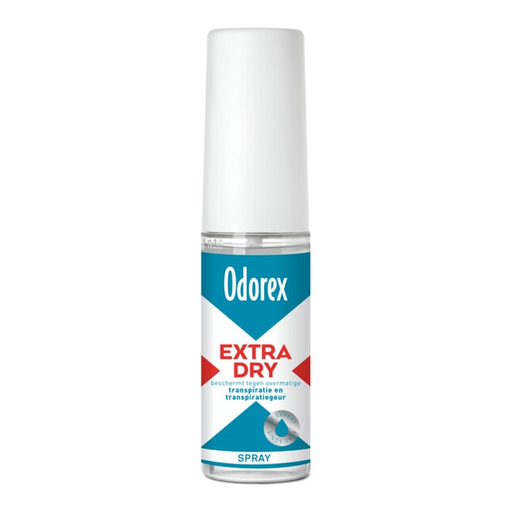
Why it suits this profile: For anyone who wants to avoid alcohol and fragrance and is looking for a small pump spray that, according to the instructions, is applied less frequently.
The product details state that the formula is free from alcohol and fragrance. The instructions recommend applying it in the evening, 2 to 3 times a week. Stop using it if redness or itching occurs.
30 ml; alcohol- and fragrance-free according to the product information; contains Allantoin and aluminium compounds.
We have put together a complete, up-to-date list of products that fully meet these strict selection criteria and the applicable European safety regulations.
That depends on the product. A standard deodorant spray is often used daily, while a treatment or extra-dry formula may be applied less frequently according to the packaging. Always check the instructions. Using more spray than recommended will not automatically provide longer-lasting protection and may put unnecessary strain on your skin.
The expiry information is shown on the packaging. Some products also have a recommended period after opening. For example, the Odorex Extra Dry Pump Spray states that it should be used within 12 months of opening. Store the product as instructed and do not use a spray if the packaging is damaged or its scent and texture have clearly changed.
No. A fragrance-free deodorant removes one possible cause of irritation, but other ingredients may still trigger a reaction. Read the full ingredients list and test a new product carefully on a small area of skin first. If problems persist, stop using the product and consult a doctor.
