
Vandaag of morgen in huis

Kwaliteit gegarandeerd

Welkomstaanbiedingen ontgrendelen: GRATIS bezorging | Tot 80% korting | Gratis 30 dagen JoyPlus-proefperiode
Download de app
A deodorant spray may seem like a simple product, but the differences between deodorant and antiperspirant spray are important. Deodorant mainly helps to mask or reduce body odour. An antiperspirant spray is designed to reduce perspiration and body odour. If you only look at the scent or a claim such as 48-hour protection, you could end up buying a product that is not suitable for everyday use, work, travelling or exercise.
A fresh scent does not automatically mean that a spray reduces perspiration. So check whether the packaging says deodorant, antiperspirant or both. If you mainly struggle with damp underarms, an antiperspirant spray is likely to be the better choice. If you are primarily looking for protection against body odour, a standard deodorant may be enough.
Brands sometimes claim 24, 48, 72 or even 96 hours of protection. These are product claims, not a guarantee that every user will experience the same performance throughout the entire period. The product’s performance is described under certain conditions, based on the brand’s own research or the product information. Heat, physical exertion, clothing, skin type and the amount of spray used can all affect the result.
Use the stated duration as a point of comparison, rather than as a reason to wash less often or avoid reapplying when necessary.
An alcohol-free deodorant may appeal to people who want less irritation after shaving or during everyday use. However, alcohol-free does not mean that a formula will suit everyone. Fragrances such as limonene, linalool or citronellol may cause irritation for some people. Check the ingredients list and stop using the product if you experience redness, itching or a burning sensation.
Start by considering the product’s purpose:
So a claim such as “protection against sweat and body odour” should be considered alongside the product type. Deodorants for men and deodorants for women often differ mainly in scent and positioning; focus primarily on the formula, volume and directions for use.
If you prefer a subtle scent, you can choose a light, fresh or floral variety. For work, travelling or use alongside perfume, a fragrance-free deodorant may be more practical. According to the product information, Lucovitaal Anti-perspirant spray 40 ml is unperfumed and intended for use once or twice a week. Its directions therefore differ from those of a daily spray.
A claim such as “suitable for sensitive skin” comes from the brand’s product information. You should also check the label yourself. A deodorant for sensitive skin is not a medical treatment and will not prevent irritation for everyone.
For dark clothing, a deodorant that does not leave white marks is a sensible choice. Some products also claim to protect against yellow marks on white clothing. Always allow the spray to dry before putting on a shirt; this helps to reduce residue on textiles.
Also compare:
Aerosols are pressurised containers. Spray in a well-ventilated area, avoid inhalation and keep the can away from heat, sparks and naked flames. Do not expose an aerosol can to temperatures above 50 °C, and do not puncture or burn an empty can.
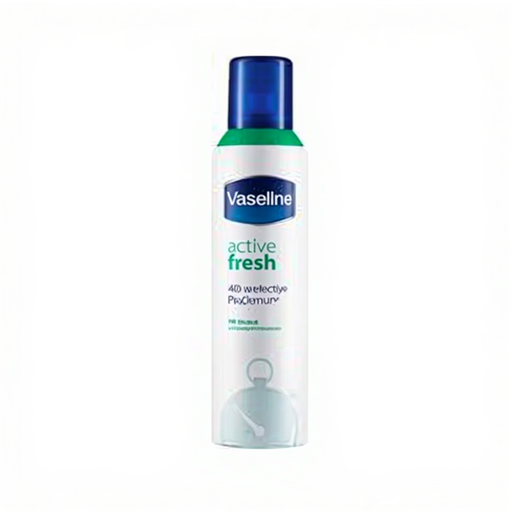
Why it suits this profile: The 250 ml size is ideal for everyday use at home, and the product information states that it provides 24-hour protection against perspiration and body odour.
The product information makes it clear that this is a deodorant spray with 24-hour protection, so there is no 48- or 72-hour claim for you to interpret.
250 ml; according to the product information, alcohol-free and dermatologically tested.
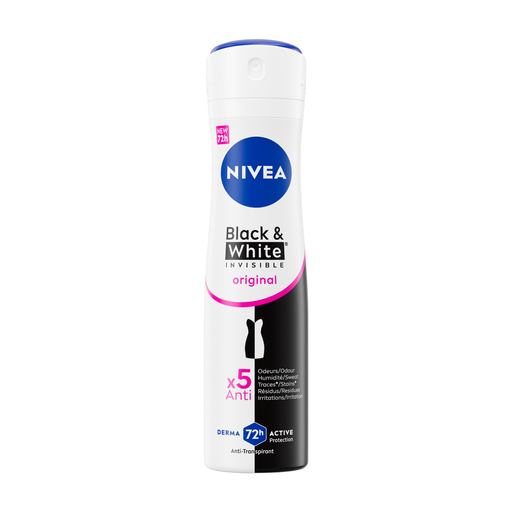
Why it suits this profile: This antiperspirant spray is designed to protect clothing and claims to provide 72-hour protection against sweat and odour.
The product description mentions both white marks on black clothing and yellow marks on white clothing. Make sure you let the spray dry before getting dressed.
150 ml; according to the product information, 0% alcohol and dermatologically tested.

Why it suits this profile: The product information states that it provides 48-hour protection and has a formula designed for workouts and physical activity.
Its intended use is clearly linked to physical activity, but the directions remain the key guide: spray briefly onto clean, dry skin and do not apply to damaged skin.
150 ml; according to the product information, dermatologically tested and paraben-free.
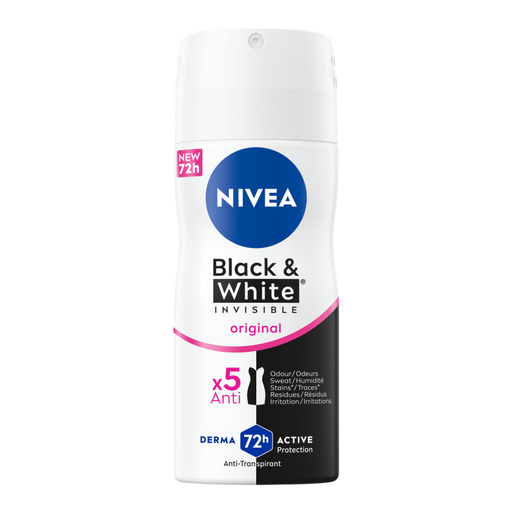
Why it suits this profile: The 100 ml mini size is practical for a wash bag, office drawer or short trip.
The size makes it clear that you get less product than with a 150 or 250 ml can. This lets you weigh up volume and frequency of use fairly.
100 ml; according to the product information, 72-hour protection, 0% alcohol and an anti-mark formula.
We have put together a complete, up-to-date list of products that fully meet these strict selection criteria and the applicable European safety regulations.
It depends on how you use it. A spray can be applied quickly and evenly, while a roll-on often uses less packaging volume. Compare the price per 100 ml rather than just the price of the pack. For everyday use, a deodorant multipack such as 6 x 150 ml can be practical, provided you like the scent and formula.
The shelf life is stated on the packaging. Check the expiry date or the period after opening. Store an aerosol in a dry place, away from direct sunlight and never above 50 °C. A change in scent, texture or spray pattern is a reason to stop using the product.
Shake the can, hold it approximately 15 cm from clean, dry underarms and spray briefly and evenly. Allow the skin to dry before putting on clothing. Do not use the spray on irritated or damaged skin, avoid contact with the eyes and do not inhale the mist.
