
Vandaag of morgen in huis

Kwaliteit gegarandeerd

Welkomstaanbiedingen ontgrendelen: GRATIS bezorging | Tot 80% korting | Gratis 30 dagen JoyPlus-proefperiode
Download de app
Dogs can love to chew, but that doesn't automatically mean every chew stick is suitable for daily dental care. When choosing dental chews for dogs, many owners focus mainly on flavour, packaging or a striking promise on the front. The size, the ingredients and the way you give the treat are at least as important.
With these practical checkpoints, you can avoid a bad purchase and more easily choose between dog dental sticks, dental sticks for dogs and other dog treats for dental care.
A stick for a small dog isn't automatically suitable for a medium or large dog. A chew stick that's too large can be difficult to handle. A stick that's too small, on the other hand, can be swallowed quickly without your dog chewing on it enough.
Always check the recommended weight category:
The boundaries vary by brand. Use the information on the packaging as a guide and take your dog's chewing style into account.
Terms like "cleans teeth" or "reduces tartar" sound clear, but the outcome depends on the chewing duration, the shape of the stick and your dog's individual teeth. According to Pedigree's own product information, certain Dentastix products can help reduce tartar build-up by up to 80% with daily use. This is a claim from the brand and not a guarantee for every dog.
Other brands also describe their sticks as supporting oral care. So see a dental stick as a supplement, not a replacement for brushing, a dental check-up or advice from your vet.
A large pack may seem good value, but only if your dog is allowed to eat the sticks daily and you can use them within the recommended period after opening. Also pay attention to the nutritional value. Many products are complementary feed and treats should generally provide no more than 10% of daily calorie intake. Adjust the main meal if necessary.
The size should match your dog's body weight and the way they chew. A calm chewer may have a different experience from a dog that swallows treats almost immediately. Always give the stick under supervision and provide fresh drinking water.
With products like Dentastix for small dogs, Dentastix for medium dogs and Dentastix for large dogs, the target group is usually clearly stated. Also check the minimum age. Various Pedigree products are intended for dogs from 4 months old.
A ridged, twisted or X-shaped stick can make more contact with the teeth during chewing than a completely smooth treat. That doesn't mean every shape works the same way. According to Pedigree's own information, the X-shape and texture contribute to the described cleaning effect.
Choose a product that your dog actually eats calmly. A hard chew stick that gets ignored contributes little to the daily routine. For dogs that prefer to play rather than snack, a toy with a textured surface can be an additional option. However, such a toy is not an edible dog dental stick and should be checked regularly for wear and tear.
Look at the ingredient list and analytical constituents. Pay attention to, among other things:
A product without the 14 main EU allergens is not automatically suitable for every dog. Always check the full composition and follow your vet's advice for allergies or a dietary requirement.
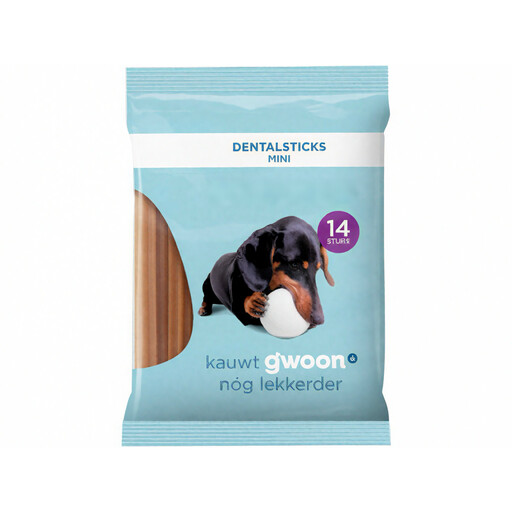
Why this fits the profile: This variant is designed for small dogs and offers an easy way to add dog dental sticks to a daily routine.
The product information clearly states that the sticks are developed for small dogs. Do check the exact weight category on the label.
Specific size for small dogs; the product description mentions support for oral hygiene.

Why this fits the profile: A large pack suits households with a medium-sized dog that gets a daily treat.
The pack is tailored to medium dogs weighing 10 to 25 kg. The claim about tartar reduction comes from Pedigree's product information.
56 sticks per pack; according to Pedigree, with no added sugar and intended for daily use.
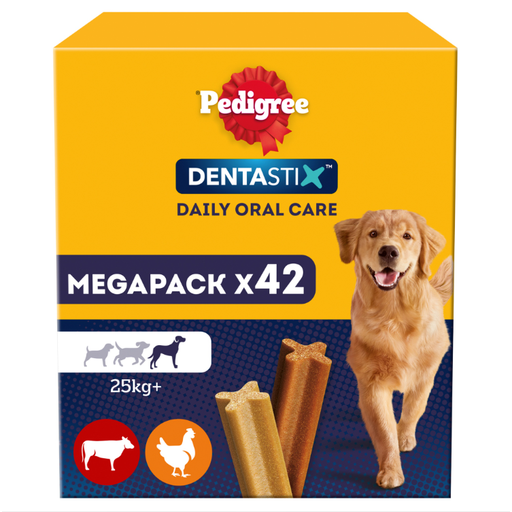
Why this fits the profile: This pack is aimed at large dogs from 25 kg and is practical when you don't want to order a new bag regularly.
The size is intended for large dogs. This prevents you from using a small or medium variant that doesn't match your dog's weight.
42 sticks for large dogs; according to Pedigree, with no added sugar and support for teeth and gums.
We've put together a full, up-to-date list of products that fully meet these strict selection criteria and comply with current European safety regulations.
Generally give a maximum of one stick per day, unless the packaging states otherwise. Supervise your dog while they chew, especially with a dog that eats quickly or tries to bite off pieces. Stop giving the stick if it is swallowed unusually quickly, splinters or doesn't suit your dog's teeth.
Store opened packs in a cool, dry place and seal them well. Some products advise using within 14 days of opening; always check the label. For bleeding gums, a strong smell, loose teeth or visible tartar, your vet is the right person to consult. Chew sticks for dogs can help, but they don't solve existing dental problems on their own.
Through chewing and texture, they can help to limit plaque or tartar on the tooth surface. The extent to which this happens varies per dog. Claims like "up to 80%" come from research or product information from the relevant brand and are not a guaranteed result for every dog.
For many products, one stick per day is the recommended amount. Check the feeding guidelines, adjust the main meal if necessary and provide fresh water. In general, treats should provide no more than 10% of daily calories.
No. A dental stick can be a practical addition to oral care, but it does not replace regular check-ups and a brushing routine. If in doubt, ask your vet which approach suits your dog's age, teeth and chewing behaviour.
