
Vandaag of morgen in huis

Kwaliteit gegarandeerd

Welkomstaanbiedingen ontgrendelen: GRATIS bezorging | Tot 80% korting | Gratis 30 dagen JoyPlus-proefperiode
Download de app
Condensation on the windows, a musty bedroom or washing that stays damp indoors for days: a dehumidifier can be useful in these situations. However, not every model is right for every home. A compact unit for a small bedroom works differently from an appliance designed for a cellar, living room or utility room.
Pay close attention to the conditions under which the manufacturer measures capacity. A specification such as “12 litres per day” does not mean the appliance will collect that amount in every room. The actual amount depends on factors including temperature, relative humidity, insulation and ventilation.
A higher capacity sounds appealing, but it tells you little without knowing the test conditions and recommended room size. A model described as removing up to 16 litres per day may be suitable for a medium-sized room, but it won’t necessarily perform as well in a cold cellar.
So choose based on:
A dehumidifier with a 1.4- or 1.8-litre tank may be compact, but you’ll need to empty it more often when there’s a lot of moisture. That can be inconvenient if you want to use the appliance overnight, during working hours or in a holiday home.
A dehumidifier with a hose can make things easier. Check that the hose can reach a suitable drain and that it slopes down sufficiently. Without proper drainage, water may collect in the hose.
Compressor models make some noise from the fan and compressor. So a quiet dehumidifier isn’t silent. Check the stated noise level and see whether it applies to sleep mode or another specific setting. The size of the room and where you place the appliance also affect how noticeable it is.
For a bedroom dehumidifier or a smaller bathroom, a capacity of around 8 to 12 litres per day may be enough, depending on the conditions. For a living room, cellar or utility room, 16 litres per day or more is often more practical. Always check the coverage specified by the manufacturer.
A dehumidifier for large rooms also needs to move enough air. A high litres-per-day figure alone doesn’t guarantee even performance in every corner of the room.
A tank with a full indicator and automatic shut-off helps prevent it from overflowing. For longer periods of use, continuous drainage is more convenient. A bathroom dehumidifier must not be exposed to splashes. Place it somewhere dry and stable, and follow the safety instructions.
Compare the stated power in watts with the features you actually need. An energy-efficient dehumidifier may be a good choice if you use it every day, but total energy use depends on how long it runs. A simple calculation is:
power in kW × hours of use × your electricity tariff = estimated cost
A dehumidifier with a timer can prevent the appliance from running unnecessarily. Automatic humidity control switches the appliance on and off according to a set relative humidity level. Wi-Fi controls are especially useful if you want to start the appliance remotely or set a schedule. If you choose a Wi-Fi dehumidifier, check that the app, connection and privacy settings suit the way you plan to use it.

Why it suits this type of user: Its stated capacity of 12 litres per day and coverage of up to 25 m² make it a good fit for a smaller bedroom, bathroom or utility room.
The included drain hose means you won’t need to empty the tank as often. The appliance switches off automatically when the tank is full.
24-hour timer, laundry-drying mode and a 3.8-litre water tank, according to the product information.
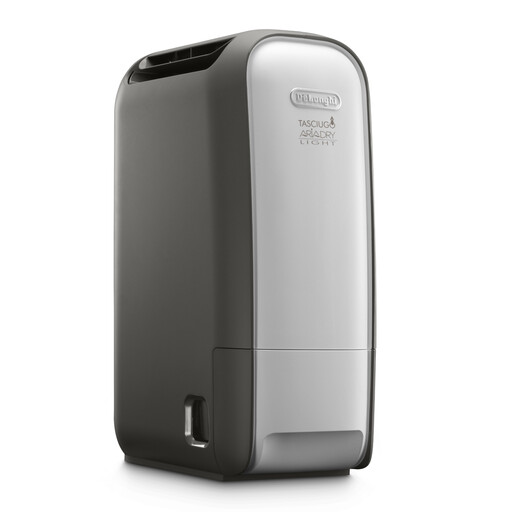
Why it suits this type of user: According to the product description, this compact model is designed for rooms up to 34 m² and has a stated noise level of 34 dB.
The product information lists three speeds, a timer and a dedicated laundry-drying function, giving you more flexibility than a single fixed setting.
The product listing gives this model an A++ energy rating, a 2.8-litre tank and a moisture removal capacity of 7.5 litres per 24 hours.
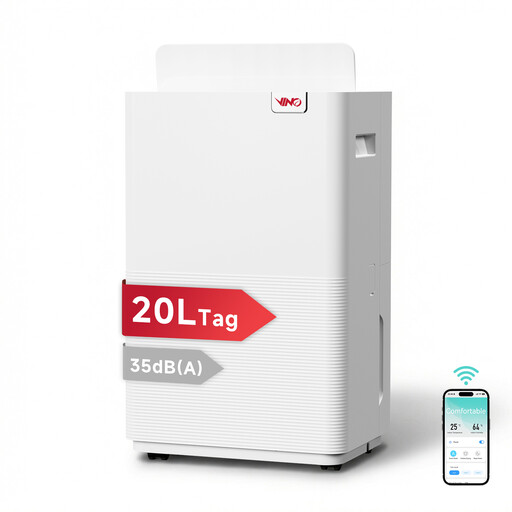
Why it suits this type of user: Its stated capacity of 20 litres per day and coverage of up to 40 m² make it suitable for larger living rooms, utility rooms or damp flats.
The two drainage options and automatic shut-off help reduce the need for frequent tank emptying and prevent potential overflows.
Wi-Fi controls, a 24-hour schedule, sleep mode and a brand-stated noise level of 35 dB in sleep mode.

Why it suits this type of user: According to the product information, this model is designed for drying laundry, everyday use and rooms up to 60 m².
The two supplied drain hoses support continuous drainage. Automatic shut-off and a full-tank alert mean you need to keep less of an eye on it while it’s running.
A stated capacity of 16 litres per day, adjustable humidity from 40% to 70%, and a sleep mode that produces up to 30 dB according to the manufacturer.
We’ve put together a complete, up-to-date list of products that meet these strict selection criteria and current European safety requirements.
Place the appliance on a level surface, leaving plenty of space around the air inlet and outlet. Keep it away from heat sources, naked flames and splashes. After being transported or tilted, a compressor dehumidifier should be left upright first. Follow the waiting time given in the manual.
For even results:
A dehumidifier can reduce excess moisture, but it won’t fix leaking pipes or inadequate ventilation. If you can see mould, you’ll also need to use an appropriate cleaning and ventilation approach.
Many models let you set a target relative humidity of around 40% to 60%. The right setting depends on the room and the season. Use this as a guide, and also look out for condensation, odours and ventilation. Sensors can give different readings from one appliance to another.
That depends on its power consumption, the setting you choose, the room temperature and how many hours it runs. A timer, sleep mode and automatic humidity control can help reduce unnecessary running time. Compare the wattage and use the formula for energy consumption before you buy.
Its lifespan depends on how it’s used and maintained, how often the filter is cleaned and whether it’s placed correctly. Keep the air inlet clear, don’t use harsh cleaning products, and only move the appliance when it’s switched off and the tank is empty. If it develops a fault, contact the manufacturer or seller rather than opening the refrigerant circuit yourself.
