What should you look for in a dehumidifier?
First, address sources of moisture and ventilation, then measure the temperature in the room itself. Next, compare the capacity with the size of the room. If you’ll use it near your bed, also consider noise, the tank and ease of use.
| What to consider |
What to look for |
Who should pay extra attention? |
| Moisture and capacity |
Check ventilation and sources of moisture; compare the capacity in l/24 hours with the room size, temperature and moisture levels. |
If I still see condensation after addressing the causes, I want to know whether the capacity is right for my room. Around 36% of consumers say reducing persistent moisture is their top priority. |
| Noise while sleeping |
Compare noise levels for each setting and check whether the appliance has a timer or automatic controls. |
If the appliance is in my sleeping or study space, I want to minimise disruption at those times. Around 29% of consumers prioritise peace and quiet while sleeping or studying. |
| Room temperature |
Measure the room temperature, not just the temperature by the window; compare the dehumidifier type with the 15 °C threshold. |
If my room stays cold for long periods, I want to choose a type that’s suitable for those conditions. Around 21% of consumers make performance at low room temperatures their main concern. |
| Emptying and ease of use |
Compare tank capacity, automatic shut-off, drainage options and energy consumption in relevant conditions. |
If I use the appliance often or dry washing indoors, I want emptying and maintenance to be straightforward. Around 14% of consumers prioritise ease of use and ongoing energy consumption. |
Dehumidifiers on Joybuy
These Joybuy dehumidifiers are options to compare if you want to reduce moisture in a student room. Choose one to suit the room temperature, the space and how often you plan to use it.
 No image available
Comfee' MDDO-10DEN7 dehumidifier, 10 l/day
An option to compare if you’re looking for a stated capacity of 10 l/day; actual performance depends on the conditions in your room.
Stated tank capacity: 2,5 l. The product name specifies a 36 dB(A) sleep mode and a timer.
View at Joybuy
 No image available
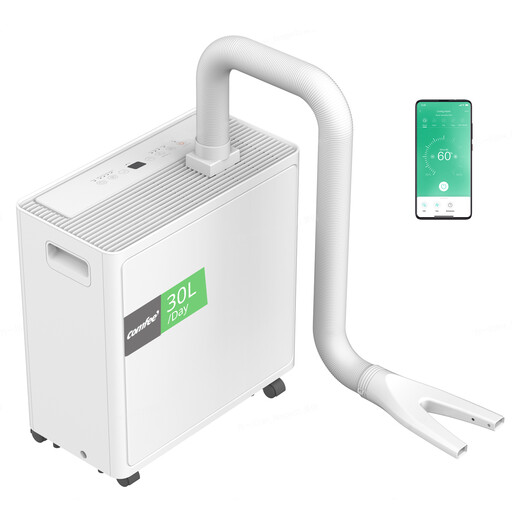
Comfee' MDDA-30DEN7-SD dehumidifier, 30 l/day
An option to compare if you’re looking for a stated capacity of 30 l/day; assess this figure in relation to your room’s size and temperature.
Stated tank capacity: 3,2 l. The product name specifies coverage of approximately 73 m²; compare this with the actual room size.
View at Joybuy
 No image available
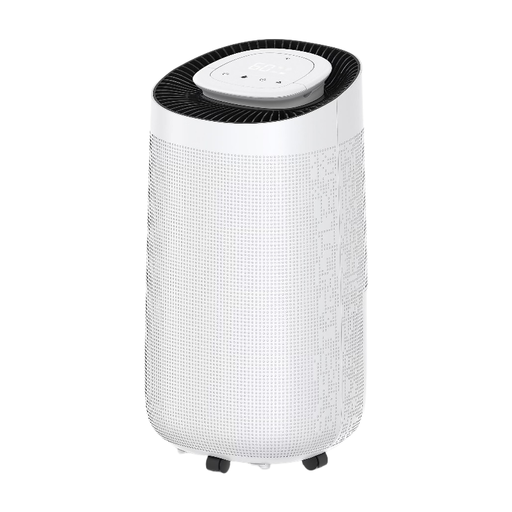
Komodo Humi+ dehumidifier, 16 l/day
An option to compare if you’re looking for a stated capacity of 16 l/day; performance in your room depends on the conditions of use.
Stated tank capacity: 3,2 l.
View at Joybuy
 No image available
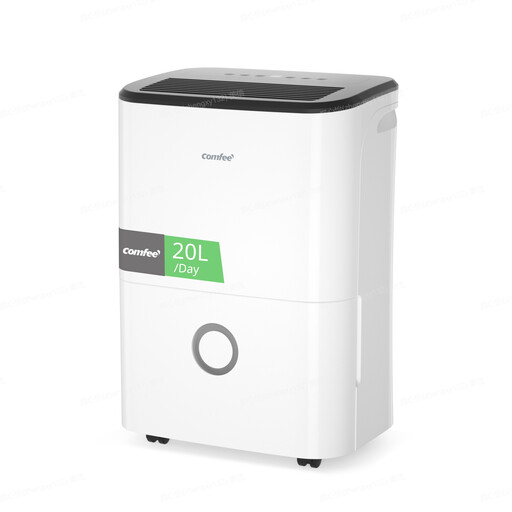
Comfee' MDDF-20DEN7 dehumidifier, 20 l/day
An option to compare if you’re looking for a stated capacity of 20 l/day; choose a model to suit your room’s size and temperature.
Stated tank capacity: 3 l. The product name specifies coverage of approximately 40 m².
View at Joybuy
 No image available
CONOPU dehumidifier, 16 l/day
An option to compare if you’re looking for a stated capacity of 16 l/day; check that the type is suitable for the temperature in your room.
Stated tank capacity: 2,5 l. The product name specifies a timer and continuous drainage.
View at Joybuy
Frequently asked questions
Should I ventilate while the dehumidifier is running?
Yes. Keep ventilating to remove polluted, damp air, but close windows and doors while the appliance is running. The Consumentenbond recommends this to stop the dehumidifier from unnecessarily treating outdoor air. The appliance doesn’t replace ventilation.
Which type is right for a cold student room?
The Consumentenbond recommends a refrigerant dehumidifier above 15 °C and a desiccant dehumidifier below 15 °C. Measure the temperature in the room itself, rather than basing your choice only on how cold the window feels.
How can I avoid noise disturbing my sleep?
Compare the noise levels for different settings and check whether the model has a timer or automatic mode. A stated noise level alone doesn’t tell you how much moisture the appliance removes on that setting.
What should I do if condensation or mould comes back?
Check ventilation, sources of moisture, heating and possible leaks. Report suspected poor maintenance to your landlord; the Rijksoverheid explains what steps you can take if the problem isn’t fixed.
What product safety information should I check?
For electrical appliances covered by the relevant EU rules, the manufacturer must affix a CE mark and draw up an EU declaration of conformity. Ondernemersplein explains these requirements; check the information for the exact model you’re considering.


