
Housemates dealing with persistent damp
You’re looking for a solution to clammy air in a shared living room after checking for sources of damp and considering ventilation.


First, tackle the source of the damp and improve ventilation. A dehumidifier doesn’t remove polluted indoor air or fix a leak or structural defect. If the damp problem persists, choose a model based on the room’s temperature and size, how noisy it is while you’re sharing the space, its electricity consumption and how you’ll drain the water. The stated litres per day don’t automatically reflect how much moisture it will remove in your living room.
You’re looking for a solution to clammy air in a shared living room after checking for sources of damp and considering ventilation.
You want to dehumidify the room while others are chatting, reading or watching TV, so you’re paying attention to how noisy the setting you’ll actually use is.
You want to agree who’ll empty the tank, make sure there’s a suitable drain and take care of any filter maintenance, so day-to-day use doesn’t grind to a halt.
Tackle sources of damp and improve ventilation first. The Consumers’ Association (Consumentenbond) says that if relative humidity remains above 65% after taking these steps, it may be worth considering a dehumidifier. Then compare models based on the conditions in your living room.
| Concern | What should you check? | Who does this matter to? |
|---|---|---|
| Moisture removal | Compare the capacity at the stated temperature and relative humidity, and take the size of the room into account too. | If the air still feels damp after we’ve tackled the source, I want to know how much moisture the appliance can remove in suitable conditions. Around 29% of consumers prioritise effective moisture removal. |
| Noise in the living room | Check the noise levels for each setting and compare measurements taken under the same conditions. | When housemates are in the room at the same time, I want to be able to choose a setting that suits a conversation or a relaxing evening. Around 23% of consumers prioritise an acceptable noise level. |
| Electricity consumption | Check the actual electricity consumption in kWh over the period of use; the wattage alone doesn’t tell you how much electricity the appliance uses. | If we use it regularly, I want to know how much electricity the appliance actually consumes. Around 18% of consumers prioritise electricity consumption. |
| Water and maintenance | Check the tank capacity and full-tank protection, and whether a hose can reach a suitable drain. Check the filter maintenance requirements too. | If housemates share the emptying and cleaning, I want to make sure those tasks are practical. Around 18% of consumers mainly choose based on manageable water handling and maintenance. |
| Performance in cold conditions | Measure the temperature when you’ll be using the appliance and check the temperature range for the specific model. | If our living room really does stay cold, I want to choose a model that works within its stated temperature range. Around 12% of consumers prioritise suitability for cold conditions. |
Damp can be linked to poor ventilation or a structural problem. Dehumidifying doesn’t solve the underlying cause.
First, find out where the damp is coming from and improve ventilation where needed. Then decide whether you also need a dehumidifier.
The stated capacity depends on the temperature and humidity conditions under which it was measured. The Consumers’ Association (Consumentenbond) tests dehumidification at four combinations of temperature and humidity.
Only compare capacities if the test conditions match what you want to assess. Take the temperature in your living room into account too.
For the Eurom DryBest 20, Eurom lists a 5-litre tank and a capacity of 20 litres per 24 hours. These are two different specifications.
Check both figures separately and agree who’ll empty the tank if there’s no suitable drain.
The DryBest 20 is a compressor model worth comparing if tank capacity and drainage are important in a shared living room.
The D 620 is a compressor model for a typical living room; the DD 808 is a separate desiccant option for a genuinely cold room.
The Tasciugo AriaDry Multi DDSX220 is a compressor model worth comparing if a laundry-drying function, humidistat or continuous drainage would be useful.
The MeacoDry Arete One 20L is worth considering if you’d like a filter function as well as dehumidification, or are looking for a version with a separate pump.
These products are designed for dehumidifying your home. When comparing them for a shared living room, consider capacity, noise, water collection and drainage options.
 Image unavailable
Could be a good fit if you’re looking for a compressor dehumidifier with automatic humidity control and a drain hose.
The product information states a maximum of 16 litres per day, a 2.5-litre tank, continuous drainage and a sleep mode rated at 30 dB. Without a suitable drain, you’ll need to empty the tank by hand.
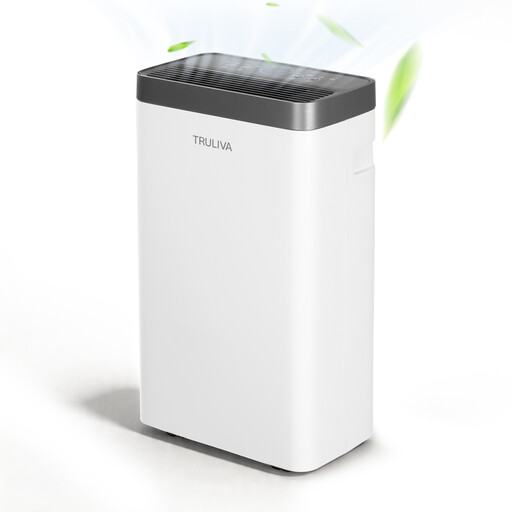 Image unavailable
Could be a good fit if you want to compare automatic humidity control and the option of continuous drainage.
The product information states a maximum of 16 litres per day, a 1.35-litre tank, a drain hose and a laundry-drying mode. Without continuous drainage, you’ll need to empty the smaller tank regularly.
 Image unavailable
Could be a good fit if you want to consider a model with adjustable humidity control and continuous drainage.
The product information gives a capacity of up to 12 litres per day, a 3.8-litre tank, a hose for continuous drainage and automatic shut-off when the tank is full. The stated room size is 25 m².
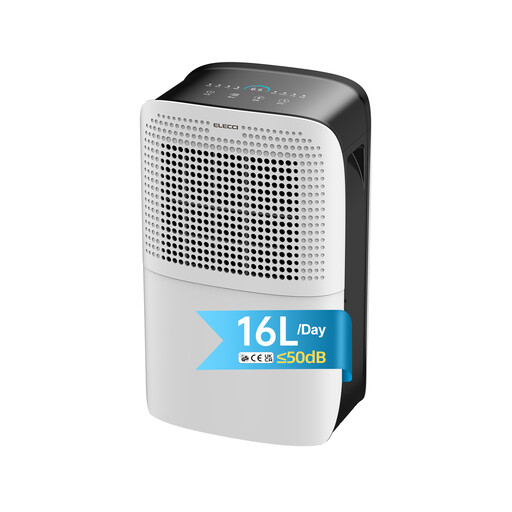 Image unavailable
Could be a good fit if you want to compare adjustable humidity control, multiple settings and continuous drainage.
The product information states a maximum of 16 litres per day, a 3.1-litre tank, four settings and a timer. The stated room size is 32 m².
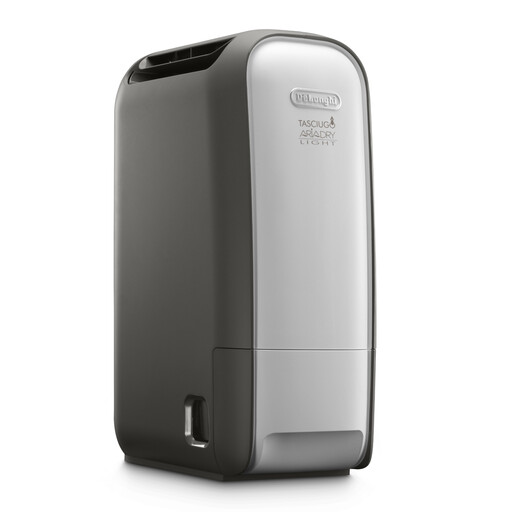 Image unavailable
Could be a good fit if you want to compare a dehumidifier with a laundry-drying function and a water collection tank.
The product information states a capacity of 8 litres per day, a 2.8-litre tank, three speeds and a timer. The stated maximum room size is 45 m²; the tank needs to be emptied regularly.
No. Ventilation brings in fresh air and removes polluted indoor air; a dehumidifier doesn’t do that. The Consumers’ Association (Consumentenbond) advises closing windows and doors while dehumidifying, so the appliance doesn’t have to keep processing fresh, damp air.
Don’t place it behind furniture, and keep the air inlet and outlet clear. The Consumers’ Association (Consumentenbond) recommends cleaning the dust filter about once every two months, or more often with heavy use. Also follow the instructions for the model you choose.
Use the measured electricity consumption in kWh over the period of use, then multiply it by your own electricity rate. The stated power rating isn’t enough to work this out. For example, De'Longhi lists 470 W for the Tasciugo AriaDry Multi DDSX220, but that figure doesn’t measure the total electricity used over a period of operation.
No. According to the Dutch Government, there’s no fixed period for the statutory guarantee in the Netherlands: a product must meet the standard you can reasonably expect of it. If a product is faulty, the retailer is responsible for helping you; a manufacturer’s warranty is additional.