
Drying laundry in a shared living room
You regularly dry laundry on an airer in a room shared with others, and want a practical balance between removing moisture, keeping noise down and ease of use.


In a normally heated shared living room, a compressor dehumidifier is a sensible first option to compare. Check the temperature, the noise level on the setting you plan to use and how you’ll drain the collected water. A laundry-drying mode is useful, but not essential. If the drying area is cold or unheated, compare desiccant models too: according to the Consumentenbond, they work better in cold rooms, but use more electricity. Keep ventilating the room: a dehumidifier does not replace the supply of fresh air and extraction of indoor air.
You regularly dry laundry on an airer in a room shared with others, and want a practical balance between removing moisture, keeping noise down and ease of use.
The appliance is running while people are chatting, working or relaxing. Noise and ongoing ventilation are therefore important considerations.
If the drying area isn’t heated much, it’s worth checking the usual room temperature before choosing a dehumidification technology.
Start with the temperature where the airer will be placed. Then compare noise levels at each fan setting, how you’ll drain the water and energy consumption. A maximum capacity in litres per day doesn’t, on its own, tell you how much water the appliance will collect in your home.
| What to consider | What should you check? | Who should pay particular attention? |
|---|---|---|
| Drying laundry and removing moisture | Compare capacity under the stated conditions, the available fan settings and any timer. Leave enough space around the airer for air to circulate. | If I dry laundry on an airer in the living room, I want to know whether the controls suit my drying routine, not just the maximum daily capacity. Around 28% of consumers prioritise drying performance. |
| Noise and sharing the living room | Check which fan setting the stated noise level applies to. If possible, compare measurements for both a high and a low setting. | When housemates are chatting, working or relaxing in the same room, I want to know how noisy the setting I choose will be. Around 22% of consumers prioritise a quiet environment. |
| Controlling moisture without replacing ventilation | Check whether the appliance has a humidistat and how your home’s existing ventilation works. If damp problems persist, address the underlying cause too. | If I share the living room with others, I want the appliance to collect moisture from the air without forgetting the need to supply fresh air and extract indoor air. Around 22% of consumers prioritise moisture control. |
| Energy use and emptying the tank | Compare energy use under similar conditions, and check the tank capacity, full-tank indicator and option of continuous drainage. | For regular drying, I want to know how often I’ll need to empty the tank and how much electricity the appliance uses. Around 17% of consumers prioritise ease of use and running costs. |
| Performance in a cool room | Check the usual temperature where the airer will be placed and the operating range of the specific model. Below 15 °C, it’s worth comparing desiccant models. | If my drying area is unheated or cold, I want to choose a technology suited to that temperature. Around 11% of consumers prioritise performance in a cold room. |
The Consumentenbond recommends drying laundry in an enclosed room, while Milieu Centraal and the GGD recommend ongoing ventilation. So don’t permanently block essential ventilation in an occupied living room; a separate, suitable drying room could be a practical alternative.
The amount of moisture an appliance removes depends partly on temperature and humidity. That’s why the Consumentenbond compares dehumidifiers under different combinations of these conditions.
Read the conditions specified for the capacity rating, and only compare models tested under equivalent conditions.
A dehumidifier collects water, but it doesn’t remove polluted indoor air or bring in fresh air for people in the room.
Maintain the necessary ventilation, and investigate the cause if damp problems persist.
According to the Consumentenbond, Peltier dehumidifiers have limited capacity and are best suited to small spaces, such as a cupboard or caravan, rather than this type of drying task.
Choose the technology to suit the actual drying area: a compressor model is generally worth comparing for a heated living room, and a desiccant model if the room is cold.
If the capacity isn’t suited to the drying task, you may end up needing another appliance.
That level may not correspond to the higher fan setting you use when drying laundry.
Check the noise level at each setting and agree with your housemates when it’s convenient to use a more intensive drying setting.
The features mentioned apply to the specific models or product ranges below. Manufacturers’ specifications are not comparative test results.
The Bora 12L is a compressor model with a laundry-drying mode, designed as a reference point for smaller spaces.
The DryBest 20 is a domestic compressor model with a larger collection tank and the option of continuous drainage.
The Arete One 20L is a compressor model; Meaco’s range also includes desiccant models for cold rooms.
The D 820 A Smart is a compressor model with a laundry-drying function; the DD 808 is a separate desiccant model for a cold drying area.
These product options are compressor dehumidifiers for collecting moisture and drying laundry at home. Compare their controls, water collection or drainage options, and suitability for the temperature of your drying area.
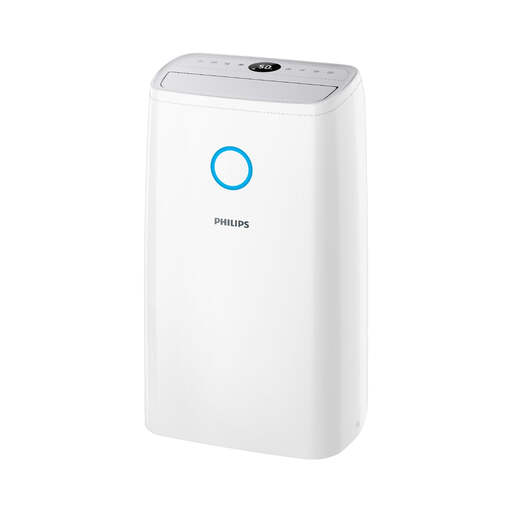 No image available
The timer and three fan speeds listed in the description give you a choice of settings for use in a shared space.
Stated capacity of up to 34.3 L per day; 4 L tank. The product description mentions automatic humidity control and shut-off when the tank is full. Keep the appliance away from naked flames and sources of ignition, as instructed: the description states that R290 is flammable. The instructions specify at least 30 cm of clearance around the appliance and 50 cm in front of the air outlet.
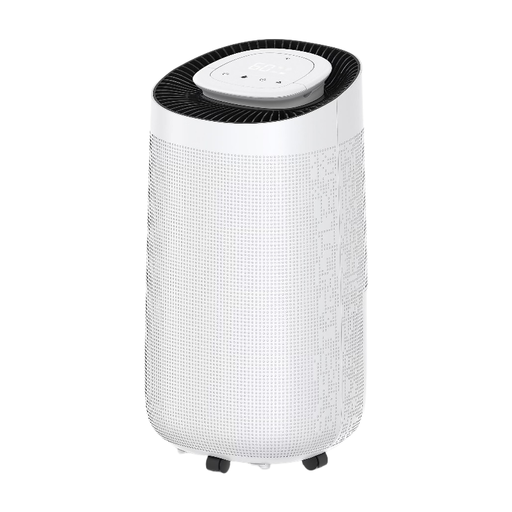 No image available
The timer and drainage hose give you options for planning longer periods of use without relying solely on manual emptying.
Stated capacity of 16 L per day and tank capacity of 3.2 L. The description mentions an 8–48-hour timer, automatic shut-off when the tank is full, a sleep mode and castors.
 No image available
The timer and continuous drainage mentioned are useful if you want to plan drying sessions and drain water through a hose.
The description lists a compressor, capacity of up to 16 L per day, a 2.5 L tank, a 24-hour timer and continuous drainage. It also mentions a sleep mode, wheels and handles.
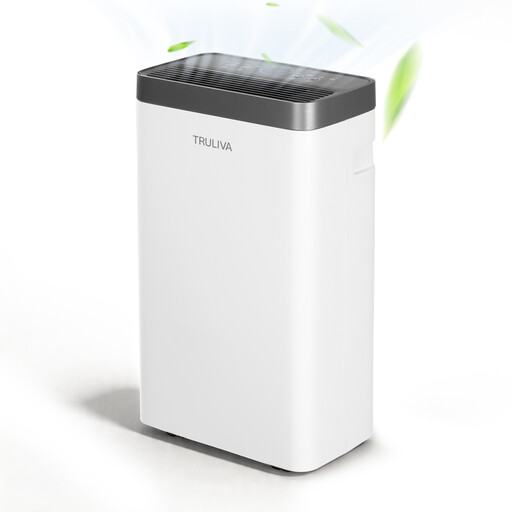 No image available
The laundry-drying mode and continuous drainage hose mentioned are useful for planned drying sessions.
The product name specifies a room size of approximately 32 m²; the description lists a 1.35 L tank and an included drainage hose. According to the instructions, frost may cause the compressor to stop below 15 °C. It can restart once automatic defrosting is complete.
 No image available
The drying mode, timer and drainage hose mentioned offer different options for use during laundry sessions.
Stated capacity of up to 12 L per day and tank capacity of 3.8 L. The product details mention a 24-hour timer, continuous drainage and automatic defrosting.
No. Don’t permanently block essential ventilation in an occupied living room. The Consumentenbond says drying laundry with a dehumidifier works best in an enclosed room; at the same time, Milieu Centraal and the GGD recommend an ongoing supply of fresh air and extraction of indoor air. So don’t use a dehumidifier as a replacement for ventilation.
No. According to the Consumentenbond, you can dry laundry with a dehumidifier without this mode, provided you set the appliance correctly. A timer can help prevent a continuous setting from running for longer than necessary; bear the noise in mind for your housemates.
Empty the tank in good time and follow the model-specific instructions for the filter and drainage. Duux recommends replacing the Bora’s activated-carbon filter after around 1 to 1.5 years. This is the manufacturer’s advice for that model, not a general timeframe for all appliances.
Electrical appliances placed on the market in the Netherlands must comply with the relevant EU safety rules, including a CE mark and EU declaration of conformity where applicable. Appliances with Wi-Fi must also comply with rules for radio equipment. Check the documentation for the specific offer. If a consumer product is faulty, contact the seller about your statutory warranty. According to the Dutch Government, the Netherlands does not have a fixed statutory warranty period of two years.
Yes. When you buy a new appliance of a similar type, the retailer must take back your old appliance free of charge. According to the Dutch Government, this take-back scheme also applies to online purchases; how the handover or later collection is arranged depends on the delivery arrangements.