What should you look for when choosing?
The temperature during a drying cycle is a useful first filter. The Dutch Consumers’ Association suggests comparing compressor models above 15 °C and desiccant models below 15 °C. Always check the temperature limits for the specific model.
| What to consider |
What to look for when buying |
Who is this most relevant to? |
| Performance at the conservatory’s temperature |
Measure the temperature during drying cycles and check the operating range of the specific model. |
If I also dry laundry in an unheated conservatory during the colder months, I want to know whether the appliance will work there. Around 36% of consumers prioritise performance in a cold conservatory. |
| Capacity for the room and laundry |
Compare the stated litres per 24 hours with the room and moisture load, and check the test conditions. |
If I regularly hang out laundry, I want enough capacity for both the conservatory and the extra moisture. Around 29% of consumers prioritise capacity for the room and laundry. |
| Energy use and noise |
Check the stated power, noise level and how long the appliance is likely to run. |
If the appliance is on frequently, I want to take energy use and noise into account when deciding where to place it and how to use it. Around 21% of consumers prioritise these two factors. |
| Positioning and drainage |
Compare tank capacity separately from daily capacity, and check whether continuous drainage is possible where you plan to put the appliance. |
I want a stable spot and as few interruptions as possible to empty the tank. Around 14% of consumers prioritise practical positioning and drainage. |
Dehumidifiers at Joybuy
This selection includes dehumidifiers with stated features for drying laundry, removing moisture or both. The stated capacity alone doesn’t confirm that a model is suitable for a cold conservatory; check the operating range of the specific model. The Dutch Government states that electrical appliances placed on the EU market must meet the applicable safety requirements and carry the required CE marking.
 No image available
Comfee’ MDDO-10DEN7, 10 L/day
The stated drying mode may suit anyone looking to help dry laundry indoors.
Stated capacity: up to 10 L per day. Tank: 2.5 L. The product information also lists continuous drainage and automatic shut-off when the tank is full.
Joybuy
 No image available
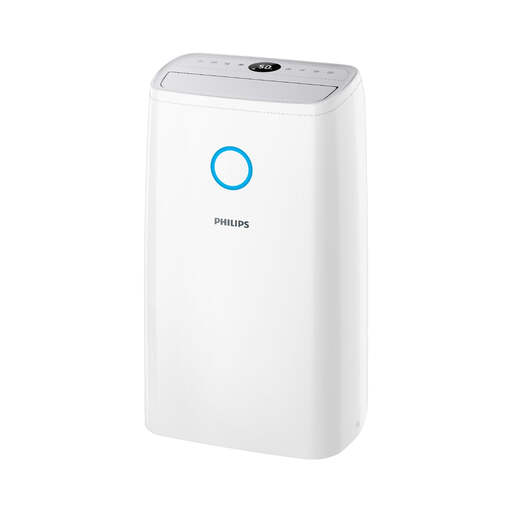
Philips 3000 Series DE3306/11
The product information lists a laundry function, which may be useful when comparing controls and settings.
The stated tank capacity is 2.8 L. Automatic shut-off when the tank is full is also listed.
Joybuy
 No image available
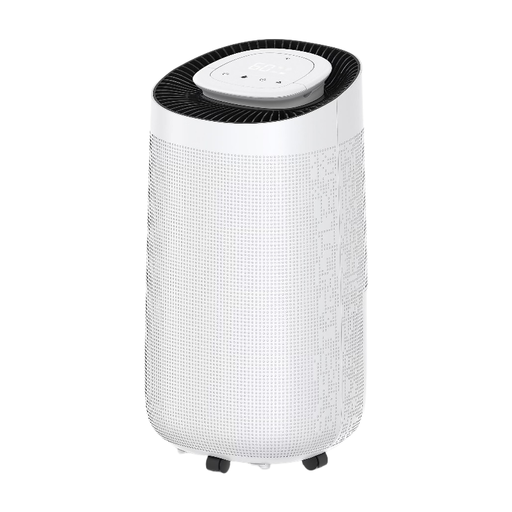
Komodo Humi+, 16 L/day
The stated capacity and drainage hose are worth considering if you want to drain moisture without relying solely on a tank.
Tank: 3.2 L. The product information lists a maximum room size of 30 m², a drainage hose and an 8–48-hour timer.
Joybuy
 No image available
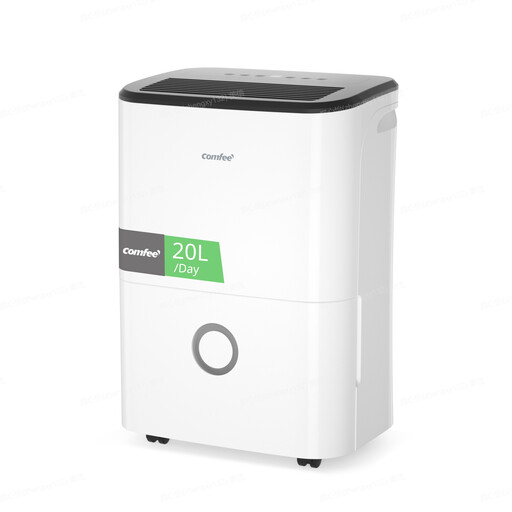
Comfee’ MDDF-20DEN7, 20 L/day
The stated drying mode and continuous drainage may be useful if you want to help dry laundry and can connect a hose.
Tank: 3 L. The product information lists a noise level of 46 dB and a maximum room size of around 40 m².
Joybuy
 No image available
CONOPU 16L dehumidifier
The stated laundry-drying function and continuous drainage may suit anyone looking to remove moisture from laundry and who has a suitable place to drain it.
Tank: 2.5 L. The product information lists a maximum room size of 60 m² and a sleep mode with a stated noise level of 30 dB.
Joybuy
Frequently asked questions
Do I need a laundry-drying mode?
No, a dedicated laundry-drying mode isn’t essential when using a dehumidifier to dry laundry. The Dutch Consumers’ Association says you can do this without one. First, compare how suitable the appliance is for the temperature and moisture load in your conservatory.
Should I ventilate the conservatory while the dehumidifier is running?
Yes, proper ventilation remains important for bringing in fresh air and removing polluted air. A dehumidifier doesn’t replace air circulation. You should also investigate any underlying cause of damp.
What should I bear in mind when connecting and cleaning the appliance?
Follow the instructions for the specific model. For the DryBest 20, Eurom specifies, among other things, a flat, stable surface, unobstructed air vents and a suitable earthed socket. Switch off and unplug the appliance before moving or cleaning it. These instructions are specific to this model.
Is a two-year manufacturer’s warranty the same as the statutory guarantee?
No. According to ACM ConsuWijzer, the statutory guarantee is separate from any retailer’s or manufacturer’s warranty. If a product develops a fault too soon under normal use, the retailer is responsible for providing an appropriate solution. In the Netherlands, there is no general fixed two-year period for the statutory guarantee.
What product safety information should I check when buying in the Netherlands?
Check that the specific model meets the applicable European safety requirements and carries the required CE marking. The Dutch Government states that this applies to electrical appliances placed on the EU market. A product title or search result alone doesn’t confirm that a specific model meets these requirements.


