What should you look for when buying?
For a large living room with stored clothing, first assess sources of damp and ventilation. Then measure the room and its conditions before comparing dehumidifier features. The Consumentenbond gives 20–30 l/24 hours as a rule of thumb for 30–45 m²; actual extraction also depends on temperature and humidity.
| Consideration |
What to look for when buying |
Who is this important for? |
| Capacity for the living room |
Measure the floor area and compare l/24 hours at the stated temperature and humidity. |
If I want to know whether one unit can handle my large, possibly open-plan living room, I look at both the space and the test conditions. Around 33% of consumers put capacity first. |
| Humidity control for clothing storage |
Check for a humidistat and whether air can circulate around the storage area. |
When I store clothes in a wardrobe, I want to assess the humidity around it rather than only in the middle of the room. Around 27% of consumers focus on humidity control for stored clothing. |
| Noise in the living room |
Compare the noise level for each setting and consider which one you expect to use. |
If I spend a lot of time in the same room, I want to know how noticeable the unit will be while it’s running. Around 20% of consumers prioritise a peaceful living room. |
| Emptying the tank and power consumption |
Check the tank capacity, full-tank shut-off and whether a hose can reach a suitable drain. |
For extended use, I want to empty the water less often and compare energy use on a like-for-like basis. Around 20% of consumers focus mainly on maintenance and manageable energy use. |
Dehumidifiers at Joybuy
These Joybuy products are dehumidifiers for controlling humidity in living spaces. Compare the stated room coverage and features with your own room, temperature and intended use. Also check the information for the specific version.
 No image available
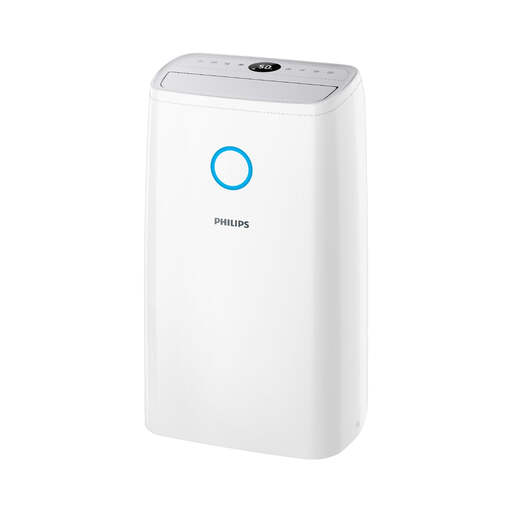
Philips 3000 Series DE3306/11
An option worth comparing for a larger space where automatic humidity control is desirable.
The product information states an extraction rate of 34.3 l per day and coverage of up to 150 m³; the title gives coverage of up to 150 m². It also mentions a 4 l tank, three speeds, automatic shut-off when the tank is full and optional hose drainage. The product information warns that the R290 refrigerant is flammable: keep the unit away from naked flames and sources of ignition.
View at Joybuy
 No image available
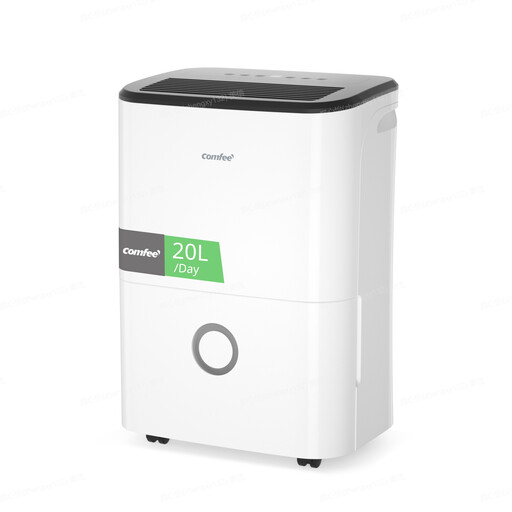
Comfee MDDF-20DEN7
An option worth comparing if you want humidity control and the option of continuous drainage.
The product information states a maximum extraction rate of 20 l/24 hours and coverage of around 40 m² and 100 m³. The tank holds 3 l; a hose option and automatic shut-off when the tank is full are also mentioned. Smart mode is stated to maintain humidity at 45–55%.
View at Joybuy
 No image available
VINO 20L Smart Dehumidifier
An option worth comparing if you’re interested in app control and different operating modes.
The product information states a maximum extraction rate of 20 l per day, coverage of up to 40 m² and a 2.5 l tank. The title gives a noise level of 35 dB in sleep mode; the product information mentions two drainage options.
View at Joybuy
 No image available
CONOPU 16L dehumidifier
An option worth comparing if the stated coverage of up to 60 m² suits your measured room.
The product information states an extraction rate of 16 l per day, a 2.5 l tank, adjustable humidity and shut-off when the tank is full. Continuous drainage, a timer and a washable filter are also mentioned.
View at Joybuy
 No image available
TRULIVA AP10-2012EE
An option worth comparing if the stated coverage of around 32 m² suits your measured room.
The product information states an extraction rate of 16 l per day, a 1.35 l tank and automatic humidity control between 40–60% relative humidity. A timer, washable filter and drain hose are also mentioned.
View at Joybuy
Frequently asked questions
Should I buy a dehumidifier as soon as my clothes smell musty?
Not before you’ve checked the source of damp and the ventilation. Recurring mould or a suspected leak needs to be investigated. According to the Consumentenbond, a dehumidifier may help if humidity remains consistently above 65% after the underlying causes have been addressed.
What capacity is right for a large living room?
First measure the room, then compare capacity against the temperature and humidity for which it’s specified. The Consumentenbond gives 20–30 l/24 hours as a rule of thumb for 30–45 m², not as a guaranteed extraction rate in every living room.
Where should I put the unit, and how do I maintain it?
Don’t place the unit behind furniture or in a corner, and keep the air inlet and outlet clear. The Consumentenbond gives cleaning the dust filter roughly once every two months as a general guideline, or more often with intensive use. Also follow the instructions for your chosen model.
Do dehumidifiers have to carry an EU energy label?
The European Commission states that the EU has not established an energy label class for dehumidifiers. Compare energy use on a like-for-like basis, and check the conditions under which the figures were measured.
What should I check about CE marking and the warranty?
Check the CE marking and model information for the specific version. CE marking is not a centrally issued quality certificate. In the Netherlands, the seller remains your point of contact if a product doesn’t meet the terms of the purchase, and any manufacturer’s warranty doesn’t replace your statutory rights.


