What should you look for?
First, check for sources of damp and make sure the room is ventilated. Then compare the temperature in your home office, the conditions used to measure the stated capacity, and the practical effects of noise and drainage.
Condensation or compressor
Suitable if: your home office is usually heated and you still want to dehumidify after addressing the source of the damp.
Bear in mind: according to Consumentenbond, this type works best above 15 °C; its stated capacity depends on the test conditions.
Desiccant
Suitable if: your home office stays cold or unheated.
Bear in mind: Consumentenbond says desiccant dehumidifiers use more energy than condensation models.
Peltier
Suitable if: you want to tackle damp in a very small area with a limited moisture load, such as a cupboard.
Bear in mind: Consumentenbond describes the capacity of this type as limited. A small size or low noise level doesn’t tell you whether it’s suitable for an entire home office.
| What to consider |
What should you check? |
Who should consider this? |
| Effective dehumidification |
Compare the capacity in litres per 24 hours alongside the stated temperature and relative humidity. Also check whether the appliance has a humidistat. |
If my home office stays damp after I’ve checked the ventilation and possible sources, I want to know whether the appliance is suited to that moisture load. Around 33% of consumers rank effective dehumidification as their top buying priority. |
| Noise while working |
Compare the noise level for each setting and check whether you can run the appliance outside working hours. |
If I work or take calls next to the appliance, I want to factor its noise into my choice. Around 27% of consumers put noise while working at the top of their list. |
| Energy use |
Compare the power rating, test conditions and automatic controls. Use your own running hours and electricity tariff to estimate the cost. |
If I use the appliance regularly, I want to weigh its energy use against how long I run it and the settings I use. Running costs are the main buying concern for around 20% of consumers. |
| Cool workspace |
Check the usual room temperature, the operating principle and the permitted temperature range for the exact model. |
If my office often stays cold, I want to choose a type that suits that temperature. Around 13% of consumers prioritise performance in a cold room. |
| Water drainage |
Check the tank capacity and whether a continuous drainage connection is included or available for the exact model. |
If there isn’t a suitable drain near my workspace, I want to know how often I’ll need to empty the tank. Around 7% of consumers say avoiding frequent manual emptying is their top priority. |
Dehumidifiers at Joybuy
This selection includes dehumidifiers for humidity control and water drainage. Compare the stated capacity and test conditions, control options and drainage method for each model.
 No image available
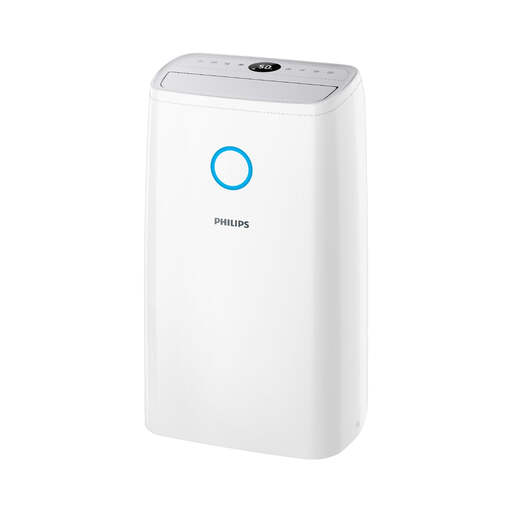
Philips 3000 Series DE3306/11
Automatic humidity control and water drainage options are useful if you want to manage humidity and empty the tank less often by hand.
The product information states a maximum of 34.3 litres per day, a 4-litre tank, three fan speeds and a timer. A hose for continuous drainage is optional. According to the description, the appliance contains the flammable refrigerant R290; keep it away from naked flames and sources of ignition.
View at Joybuy
 No image available
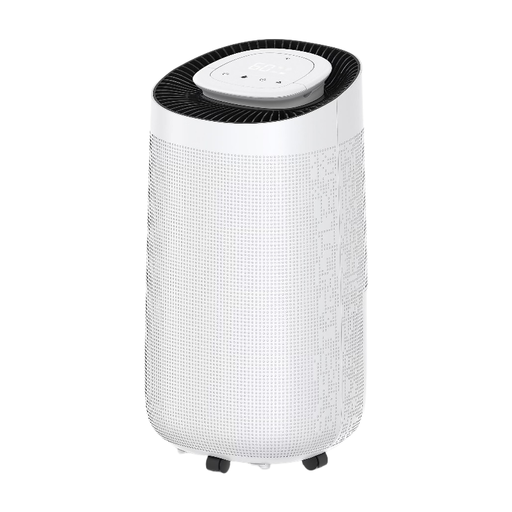
Komodo Humi+ 16 L/day
Automatic mode and a humidity display may suit you if you want to monitor how the appliance is working and check the humidity level.
The product information states a capacity of up to 16 litres per day, a 3.2-litre tank and a drainage hose. It also lists a sleep mode, timer and automatic shut-off.
View at Joybuy
 No image available
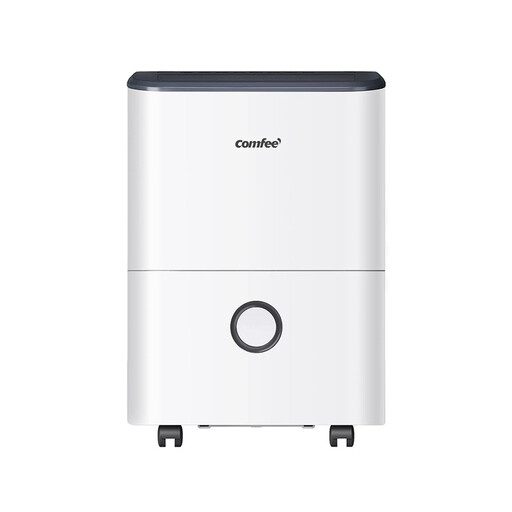
Comfee MDDF-20DEN7
Adjustable controls may be useful if you want to set your preferred humidity level.
The product title states 290 W and a capacity of 20 L/24h. The description mentions adjustable controls; compare the stated capacity with the test conditions and your room.
View at Joybuy
 No image available
CONOPU 16L dehumidifier
Automatic humidity control and a hose for continuous drainage are useful features if you want to manage humidity and empty the tank less often.
The product information states a maximum of 16 litres per day, a 2.5-litre tank, a 24-hour timer and a humidity setting range of 40–70%.
View at Joybuy
 No image available
TRULIVA AP10-2012EE 16L
Automatic humidity sensing and the included drainage hose may suit you if you want to set the humidity level and drain away condensate.
The product information states a maximum of 16 litres per day, a setting range of 40–60% in standard mode and automatic shut-off when the tank is full. Humidity and fan speed can only be adjusted in standard mode.
View at Joybuy
Frequently asked questions
When is a dehumidifier useful if my home office stays damp?
First, address possible sources of moisture and ventilation problems. According to Consumentenbond, a dehumidifier may help if the humidity then remains consistently above 65%; this is buying advice, not a legal limit.
Should I stop all ventilation while dehumidifying?
No, don’t stop essential ventilation permanently. GGD Leefomgeving recommends continuous ventilation; for efficient use of a portable dehumidifier, Consumentenbond advises closing windows and doors while it’s running.
How do I compare capacity for my home office?
Compare the stated litres per 24 hours with the temperature and relative humidity at which that figure applies. Consumentenbond measures dehumidification at different combinations of temperature and humidity, so a manufacturer’s maximum figure doesn’t necessarily predict the output in your home office.
How can I estimate the running costs of a dehumidifier?
Use the power rating for the exact version, your expected running hours and your own electricity tariff. The wattage alone won’t predict a fixed bill, as running time and the conditions in which the appliance operates also matter.
Which safety marking should I check on an electric dehumidifier?
Under the Dutch Commodities Act Decree on Electrical Equipment, mains-powered electric dehumidifiers within its scope must carry a CE mark, according to the Netherlands Food and Consumer Product Safety Authority. Check the marking and model identity of the version you’re actually buying; details for a different model aren’t sufficient.


