
Vandaag of morgen in huis

Kwaliteit gegarandeerd

Welkomstaanbiedingen ontgrendelen: GRATIS bezorging | Tot 80% korting | Gratis 30 dagen JoyPlus-proefperiode
Download de app
Condensation on windows, a damp-feeling bedroom or laundry that takes ages to dry indoors: a dehumidifier can be a practical solution. However, it’s not wise to base your choice solely on the “litres per day” figure. The stated capacity depends on temperature and relative humidity. A small water tank, excessive noise or an awkward drainage set-up can also make everyday use less pleasant.
In this buying guide, you’ll find out what to look for in a dehumidifier for your home, which features make a real difference and which type is right for your property.
A 16L dehumidifier, 20L dehumidifier or 30L dehumidifier usually refers to the maximum amount of moisture collected over 24 hours. This figure is measured under specific conditions. A model listed as collecting 20 litres per day may collect less in a cool Dutch bedroom.
So use capacity as a point of comparison, not as a guarantee for every room. Also check the recommended floor area or room volume.
A powerful model isn’t automatically the most practical choice. A large appliance can take up more space, use more electricity and run unnecessarily often on a high setting. For a bedroom, bathroom or flat, a compact model with automatic humidity control is often more practical than one designed for a cellar or large living room.
A 1.35- or 3-litre tank needs to be emptied regularly when the dehumidifier collects a lot of moisture. If you’re using the appliance in a cellar, utility room or damp storage room, a dehumidifier with continuous drainage is often a better choice. Check whether a hose is included and whether the drainage point is lower than the appliance.
Look out for three details:
According to product information from various suppliers, a 16-litre model is designed for rooms of around 32 m². The Comfee’ MDDF-20DEN7 is specified as suitable for up to approximately 40 m² or 100 m³. The Comfee’ MDDA-30DEN7-SD is listed as suitable for an area of around 58 to 73 m², depending on the room volume.
This information comes from the respective brands’ product details and should be treated as a guide. Insulation, outdoor temperature, ventilation and the source of the moisture all affect the results.
A hygrometer measures relative humidity. With an adjustable target level, the appliance can switch off and start again automatically as humidity changes. This is more convenient than continually switching it on and off by hand.
A 24-hour timer is useful if you only want the appliance to run at certain times, for example while drying laundry or for a few hours before bed. Check whether the timer only supports automatic switch-off or can also switch the appliance on automatically.
A quiet dehumidifier is particularly useful in a bedroom or home office. Check the stated noise level in dB(A) and see whether it applies to the low setting or sleep mode. You may notice a difference between a quiet setting and the highest fan speed.
Also check the power consumption. A 30-litre model will generally need more power than a compact 16-litre model. Automatic humidity control can prevent the compressor from running unnecessarily.
A washable filter, full-tank protection and automatic restart make maintenance easier. At low temperatures, automatic defrosting is important: according to the product information, frost can form in colder conditions, causing the appliance to pause temporarily while it defrosts.
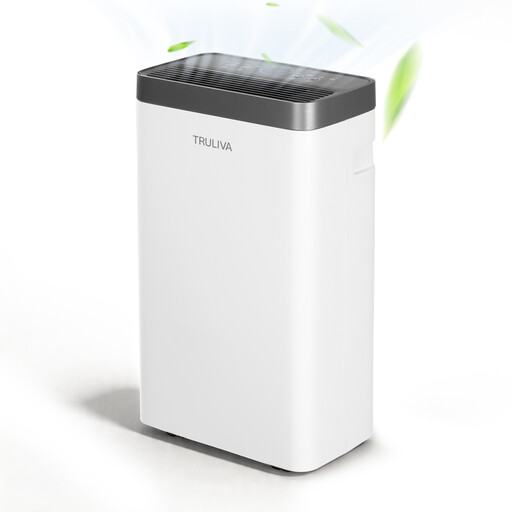
Why it suits this type of buyer: This model combines a 1.35-litre tank with continuous drainage, a 24-hour timer and several settings. It’s a good fit for a flat, bedroom or utility room if you’re looking for straightforward controls.
The recommended room size and capacity are clearly stated. The hose and automatic full-tank shut-off help prevent unexpected overflows.
16 litres per day according to the product information, automatic defrosting, a washable filter and settings for sleeping and drying laundry.
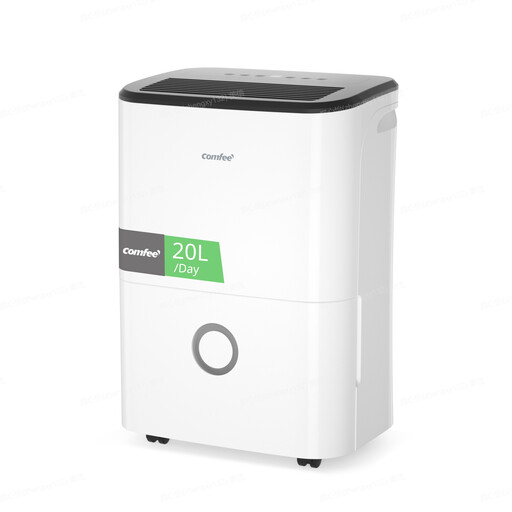
Why it suits this type of buyer: A good choice if you’re looking for a mid-sized model with several automatic features. According to the product specifications, it’s suitable for around 40 m² and has a 3-litre tank.
The capacity is matched to a room volume and floor area. The full-tank shut-off reduces the risk of water continuing to collect unnoticed.
20 litres per 24 hours according to the product listing, 46 dB, a laundry-drying mode, three fan speeds and a 24-hour timer.
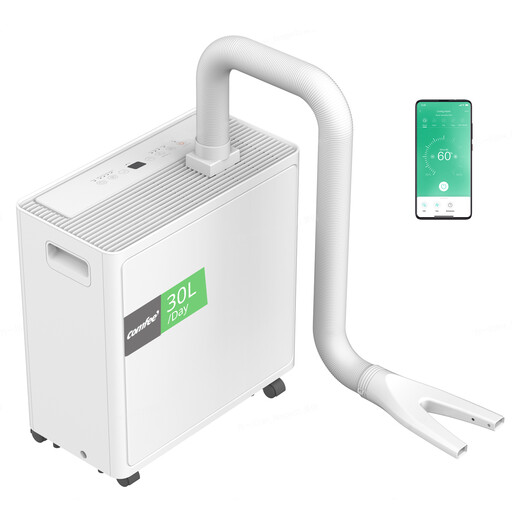
Why it suits this type of buyer: This model is designed for larger living spaces, cellars, garages and utility rooms where a lot of moisture needs to be dealt with every day.
The product specifications list both the recommended room size and a 3.2-litre tank. There’s also a continuous drainage connection for extended use.
30 litres per 24 hours according to the product information, Wi-Fi app control, automatic defrosting, a child lock and a stated noise level of 45.3–47 dB(A).
We’ve put together a complete, up-to-date list of products that meet these strict selection criteria and current European safety regulations.
Place the dehumidifier on a level surface and keep the air inlet and outlet clear. According to the product instructions, after being transported or tilted, an appliance should be left upright before you plug it in. The exact waiting time varies by model, so always check the manual.
If you’re using a hose for continuous drainage, check that it’s securely attached and runs to a lower drainage point. Clean the filter regularly and empty the tank before moving the appliance. Don’t place a compressor dehumidifier somewhere it could be splashed directly with water.
It depends on the source of the moisture and the target level you’ve set. It’s best to use automatic humidity control. A longer drying mode can be useful when drying laundry; in a bedroom, a timer or sleep mode is often more practical.
Running costs depend on the power consumption, electricity price and number of hours the appliance runs. So compare both the rated and maximum power. An appliance with humidity control can limit energy use by avoiding continuous operation at full capacity.
Place the appliance in the same room as the clothes airer, leaving space around the air inlet and outlet. For extended use, you may want to connect continuous drainage. Keep doors and windows closed as much as possible during the drying cycle, unless the manual says otherwise.
