
Vandaag of morgen in huis

Kwaliteit gegarandeerd

Welkomstaanbiedingen ontgrendelen: GRATIS bezorging | Tot 80% korting | Gratis 30 dagen JoyPlus-proefperiode
Download de app
Condensation on the windows, a musty smell in the cellar or laundry that takes ages to dry indoors: excess moisture is a familiar problem in many homes. A dehumidifier can remove moisture from the air, but not every model is right for every room. A compact moisture absorber for a car, for example, works differently from an electric dehumidifier for a cellar or living room.
A capacity of, say, 12 or 16 litres per day sounds straightforward, but these figures are measured under specific conditions. Temperature and relative humidity affect the amount of moisture actually collected. So check the stated room coverage, the temperatures the appliance is designed to work in and its airflow too.
A dehumidifier with a 1.4- or 1.8-litre tank may be practical thanks to its compact size, but it will need emptying more often. If you want to run the appliance for long periods in a cellar, utility room or holiday home, check whether continuous drainage is available.
A compressor, fan and sometimes an automatic drying function all make noise. A stated noise level of 32 or 35 dB usually applies to a specific sleep mode. So check which noise level applies to each mode. This matters more than simply seeing the word “quiet” when choosing a dehumidifier for a bedroom.
Choose a capacity to suit the room and the moisture problem:
The stated capacity does not guarantee that the appliance will collect the same amount of water in every home. A cold cellar, for example, will produce different results from a warm bathroom.
A dehumidifier with a hose can drain water straight into a drain. Check whether the hose is included, how long it is and whether the drain needs to be lower than the appliance. Without a suitable downward slope, the water may not drain reliably.
A full-tank protection feature is useful in everyday use. The appliance should stop automatically or display a warning when the tank is full. Always place the dehumidifier on a level surface and clean the tank regularly.
A dehumidifier with a timer is useful if you only want the appliance to run during the day or while drying clothes. A drying mode usually increases airflow, but this can also make the appliance noisier.
Where you place the appliance matters when drying clothes: don’t hang laundry directly in front of the air outlet, and make sure the room is reasonably enclosed. Ventilate when needed too; a dehumidifier is no substitute for normal air circulation.
Compare the stated power in watts with how long you expect to use the appliance. A lower-powered model will not necessarily cost less to run if it needs to run for much longer. Always use the dehumidifier as directed in the manual, and don’t block the air inlet or outlet.
Many compressor models use R290 refrigerant, which is flammable. Keep the appliance away from naked flames, and leave any work on the cooling circuit to a suitably qualified professional. Always follow the manufacturer’s safety information.
The selection below is based on verifiable features such as capacity, tank size, noise level, timer, drainage and controls. Claims made by brands about features such as air purification or antibacterial performance are not presented here as independently proven results.
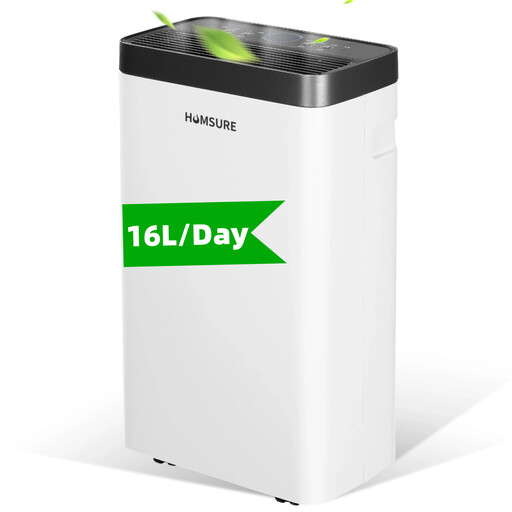
Why it suits this type of user: This model combines a stated capacity of 16 litres per day with a timer, three modes and wheels. It’s a good option if you’re looking for your first electric dehumidifier for a room of up to around 25 m².
The 24-hour timer and automatic shut-off when the tank is full help prevent unnecessary running and overflow. The included drainage hose allows for continuous drainage.
16 L/day according to the product specifications, a clothes-drying mode, automatic defrost and a 1.4-litre tank.
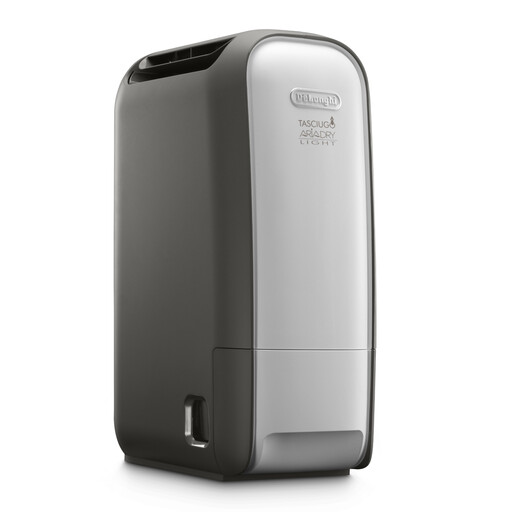
Why it suits this type of user: With touch controls, three fan speeds, a timer and a stated noise level of 34 dB, this model is a good fit for anyone who values a compact appliance from a well-known brand.
The specifications list both the room coverage and the 2.8-litre tank capacity. This makes it easier to judge whether the model is right for your space, rather than relying on the brand name alone.
7.5 litres per 24 hours according to the product information, a clothes-drying function, timer and foldable handle.

Why it suits this type of user: Designed for larger rooms of up to around 40 m², this model is a good match for anyone who values remote control, scheduling and a drying mode.
The app complements the physical controls, while the full-tank protection and two drainage options reduce the need for daily checks.
20 L/day according to the product specifications, Wi-Fi control, 24-hour scheduling, a drying mode and a stated sleep-mode noise level of 35 dB.
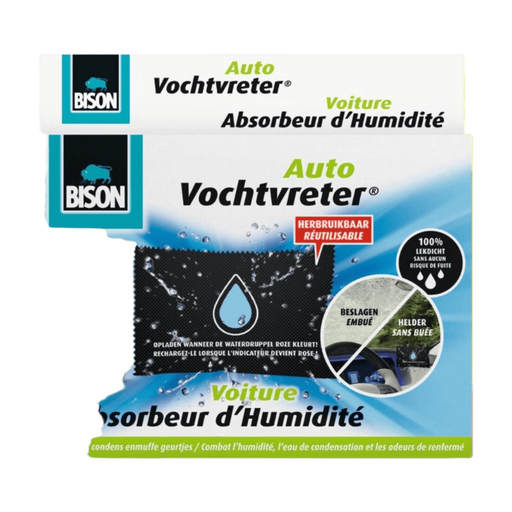
Why it suits this type of user: This reusable moisture absorber works without a power socket and is designed for small spaces such as cars, caravans, motorhomes and boats.
You don’t need a power supply, and it makes no noise. According to the product description, the indicator shows when regeneration is needed; place the bag securely and check it for damage.
Two 300 g bags, a leak-proof design according to the product information, and regeneration in the microwave following the instructions provided.
We’ve put together a complete, up-to-date list of products that meet these strict selection criteria and the applicable European safety requirements.
It can be, as long as the appliance is quiet enough for your needs and isn’t placed right next to the bed. Check the noise level in sleep mode, the timer and whether the display has any lights. A compressor may make extra noise for a short time when starting up or switching off.
That depends on the humidity, temperature, room size and the humidity level you want to achieve. Set a target level if your model allows it, then check the tank after a few hours. You can use a more intensive mode temporarily when drying clothes. Don’t run the appliance if its ventilation is blocked.
The cost depends on the power rating in watts, your electricity price and the number of hours it runs. Multiply the power in kilowatts by the running time and your current electricity rate. A timer, automatic humidity control and continuous drainage can make the appliance more convenient to use, but they don’t automatically change its power consumption.
