
Vandaag of morgen in huis

Kwaliteit gegarandeerd

Welkomstaanbiedingen ontgrendelen: GRATIS bezorging | Tot 80% korting | Gratis 30 dagen JoyPlus-proefperiode
Download de app
Condensation on the windows, a musty smell in the cellar or laundry that just won’t dry: a dehumidifier can help remove excess moisture from the air indoors. But not every model is right for every home in the Netherlands. A small bedroom has different needs from a cellar, bathroom or utility room.
Pay particular attention to the conditions under which the manufacturer measures the capacity. A rating such as “12 litres per day” doesn’t mean the dehumidifier will collect that amount in every home. The actual amount depends on the temperature, humidity, ventilation and size of the room.
Capacity is often measured in relatively warm and very humid conditions, for example at around 30 °C and 80–90% relative humidity. In a cool Dutch room, the output is usually lower. So check the recommended floor area or room volume too.
An electric dehumidifier rated at 10 to 12 litres per day may be suitable for a bedroom or smaller living room. A larger cellar or several connected rooms will need more capacity, such as a model rated at 20 or 30 litres per day.
A model with a 1.3- or 1.4-litre tank may be compact, but the tank can fill quickly when there’s a lot of moisture. An automatic shut-off will generally prevent it from overflowing, but the dehumidifier won’t start working again until you empty the tank.
If you want to leave the machine running for longer periods without supervision, it’s worth choosing one with continuous drainage. Check whether a drain hose is included and whether the water can run to a drain at a lower level.
A compressor, fan and automatic defrosting all make noise. A stated noise level of 30 to 36 dB may sound appealing for a bedroom, but the measurement method and selected setting affect how quiet it actually seems. So check whether the stated noise level applies specifically to sleep mode.
For a bedroom dehumidifier, sleep mode matters more than a marketing claim such as “quiet”. Also look for lights that can be switched off, a timer and the option to lower the airflow.
Use the stated capacity as a point of comparison, not as a guarantee of how much water the unit will collect. Look for the following combination:
A dehumidifier for mould and condensation only tackles the moisture already in the air. Mould caused by a leak, poor ventilation, rising damp or building defects also needs to be addressed at the source.
A dehumidifier with a hose is handy if there’s a suitable drain nearby. The hose must be connected correctly in line with the instructions and generally needs to slope downwards from the appliance. If there’s no drain, choose a model with a larger tank and a clear full-tank indicator.
Place the machine on a flat, sturdy surface and leave enough space around it for the air inlet and outlet. Many models need to be left upright for a while after being transported or tilted before they can be switched on. Always follow the manufacturer’s instructions.
Compare the rated power in watts with the features you’ll actually use. A higher-capacity appliance can process more moisture, but may also use more electricity. You can easily work out the running costs:
power in kW × hours of use × your electricity tariff = estimated energy costs.
A timer, automatic humidity control and sleep mode can help prevent the appliance from running for longer than necessary. Wi-Fi control is particularly useful if you want to check the humidity remotely or set a schedule. It doesn’t automatically make an appliance more energy-efficient.

Why it suits this type of user: According to the product description, this model is designed for rooms of up to around 16 m² and has a 2.5-litre tank. That makes it a good fit for a smaller bedroom, kitchen or poorly ventilated room.
The stated capacity of 10 litres per 24 hours is linked to a specific room volume of around 40 m³. Automatic shut-off and a full-tank indicator are also listed.
36 dB(A) in the stated sleep mode, a timer, laundry-drying function and an adjustable humidity range of 35–85%.
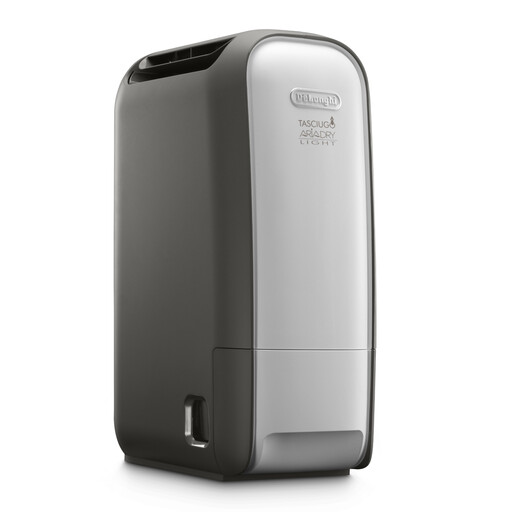
Why it suits this type of user: If you value a compact design, an LCD control panel and a low stated noise level, this model is a good option for medium-sized rooms.
The product details give both a recommended room size and a 2.8-litre tank capacity, making it easier to weigh up the capacity against the expected time in use.
According to the product specifications: 7.5 litres per 24 hours, 34 dB, three fan speeds, a timer and a laundry-drying function.
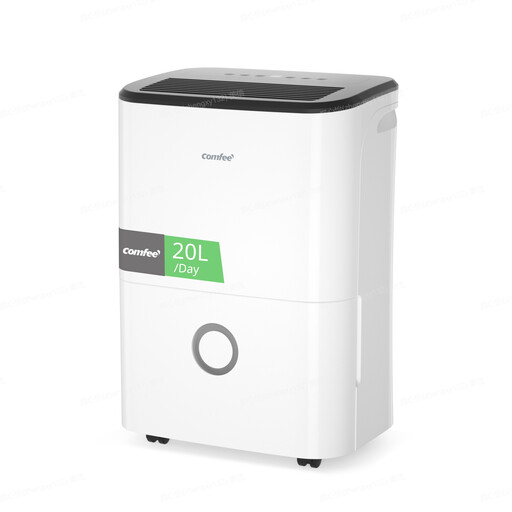
Why it suits this type of user: According to the product information, this model is designed for rooms of up to around 40 m², such as living rooms, bedrooms, garages and cellars where there’s often a lot of moisture.
The 3-litre tank and connection for a drain hose mean you won’t need to empty it as often during extended use.
20 litres per 24 hours according to the product specifications, four modes, a 24-hour timer, automatic defrosting and a stated noise level of 46 dB.

Why it suits this type of user: App controls and remote scheduling are handy for people living in apartments who want to monitor humidity in a bedroom, home office or utility room.
The product description lists a sleep mode, a water tank and two drainage options. Do check whether a hose is included.
12 litres per day for around 24 m² according to the product details, Wi-Fi control, 24-hour scheduling and a stated sleep-mode noise level of 32 dB.
We’ve put together a complete, up-to-date list of products that meet these strict selection criteria and comply with current European safety regulations.
A moisture absorber that doesn’t need electricity may be enough for a cupboard, caravan, shed or small room without a power socket. For a home, a laundry-drying function or persistent condensation, an electric dehumidifier is usually more practical.
That depends on the starting humidity, room size and ventilation. Let the appliance run for a few hours, then check the humidity with a meter. A timer or automatic humidity control can stop the machine from running continuously when it isn’t needed.
Energy use depends on the power rating and how many hours the appliance runs. Check the wattage on the energy label or in the product specifications. A timer, automatic shut-off and a set target humidity can all help limit the number of hours it runs.
No. The appliance can reduce moisture and condensation in the air, but it won’t remove existing mould or fix a leak or building-related damp problem. Clean affected areas safely and tackle the cause. If the mould is widespread or keeps coming back, it’s best to get a professional assessment.
