
Office buyer with a strict sugar-free requirement
Needs a product that genuinely qualifies as sugar-free, even if that rules out traditional De Ruijter Gestampte Muisjes.


Don’t choose regular De Ruijter Gestampte Muisjes if sugar-free is a strict requirement: Jumbo lists 79 g of sugars per 100 g, while the European Commission sets a maximum of 0.5 g of sugars per 100 g for a ‘sugar-free’ claim on solid foods. If necessary, look beyond the sprinkles category for a shared office supply, and check the nutritional information, how the product is served and its allergens for each alternative.
Needs a product that genuinely qualifies as sugar-free, even if that rules out traditional De Ruijter Gestampte Muisjes.
Is looking for something that can be stored dry and served easily. It matters whether colleagues can help themselves to a biscuit or need a topping for crispbread or yoghurt.
Needs to be able to check whether a product contains wheat or gluten before it goes into a shared supply.
First decide whether sugar-free is a strict requirement. Then choose between a topping to sprinkle and a ready-to-eat snack, and check the allergen information before sharing it.
| What to consider | What to check when buying | Who it matters to |
|---|---|---|
| Sugar-free ingredients | Check the sugar-free claim and the sugars per 100 g on the packaging; ‘less sugar’ does not mean the same as ‘sugar-free’. | If sugar-free is a strict requirement, I don’t want to rely on a general description such as ‘sugar-conscious’. For around 50% of consumers, this is the top priority. |
| Suitable way to serve it | Check whether the product is ready to eat or used as a topping, and how it can be stored dry. | For the biscuit tin, I want something colleagues can help themselves to without needing crispbread or yoghurt. This practical way of serving it matters most to around 30% of consumers. |
| Wheat and gluten | Check the current allergen declaration, and don’t use a shared scoop for products kept separately. | In a shared supply, colleagues need to know clearly which products contain wheat or gluten. Around 20% of consumers give this check top priority. |
These terms aren’t interchangeable. According to the European Commission, a product carrying a sugar-free claim must contain no more than 0.5 g of sugars per 100 g or 100 ml.
Check the exact claim and the nutritional information for the product you want to buy.
Jumbo lists 79 g of sugars per 100 g for De Ruijter Gestampte Muisjes. A small portion doesn’t make the product sugar-free.
Leave this variety on the shelf if sugar-free is a requirement, and check the current packaging again for any other product.
De Ruijter Gestampte Muisjes is used on bread and crispbread, and with yoghurt, among other things. It has a different purpose from a biscuit you can take straight from the tin.
Decide in advance whether the office supply needs a topping or a ready-to-eat snack.
To serve it as a topping, you’ll also need something suitable to put it on, such as crispbread or yoghurt.
Jumbo lists wheat and cereals containing gluten for De Ruijter Gestampte Muisjes. This variety is therefore not a gluten-free option.
Keep products with different allergen information separate, and check the packaging before putting them out for colleagues.
Gestampte Muisjes 270 g is the traditional aniseed topping in this selection. Jumbo says it can be used as a topping or added to other foods, and recommends storing it in a dry place.
Its sugar-conscious range offers a way to find other types of sweet toppings, alongside regular sprinkles in the sprinkles category.
Albert Heijn lists Céréal chocolate sprinkles as ‘less sugar’ in its sugar-conscious range.
If you’re mainly looking for a ready-to-eat product for the office supply, biscuits are another option. The biscuit below isn’t a substitute for the flavour or format of De Ruijter Gestampte Muisjes; check the current packaging if sugar-free is a requirement.
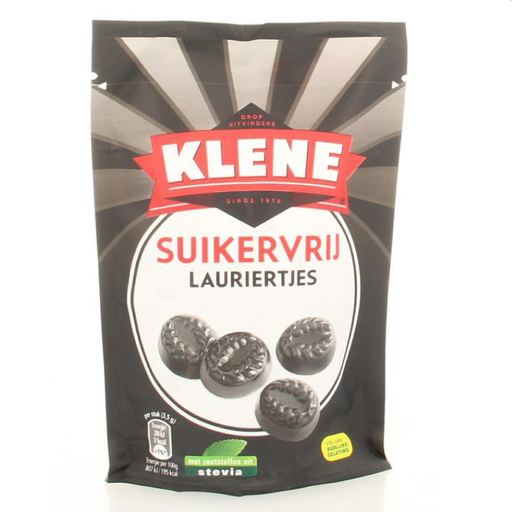 No image available
A biscuit to eat straight away, rather than using De Ruijter Gestampte Muisjes as a topping. The pack contains 110 g. Before buying, check the sugars per 100 g, the allergen information and the flavour on the current packaging.
No. Jumbo lists 79 g of sugars per 100 g for De Ruijter Gestampte Muisjes. According to the European Commission, a sugar-free claim on solid foods is limited to a maximum of 0.5 g of sugars per 100 g.
De Ruijter Gestampte Muisjes is a topping, not a biscuit in its own right. Consider whether colleagues will want to have it on crispbread or with yoghurt, for example; if you want something to eat straight from the tin, choose a product in a different format.
Store this variety in a dry place, as Jumbo advises in its product information. For a shared supply, make sure the packaging and allergen information are also available to colleagues.
No. Jumbo lists wheat and cereals containing gluten for this variety. Check the current allergen declaration separately for every other product.