
Watching during the day by tall windows
If you don’t want to darken the living room completely, consider how much daylight reaches the projection surface. BenQ Netherlands notes that projectors generally perform better in a dark environment.


Start by considering how much daylight reaches the spot where you want to project the image, and whether you can reduce it. Then compare the brightness specifications for your preferred picture size. An ultra-short-throw model could be a good option if you have very little space between the projector and the wall, while a standard projector needs more room. In both cases, the screen and ambient light will affect how dark film scenes look.
If you don’t want to darken the living room completely, consider how much daylight reaches the projection surface. BenQ Netherlands notes that projectors generally perform better in a dark environment.
If shadow detail matters to you, see whether you can reduce the light reaching the screen or watch when it’s darker. A high lumen rating alone won’t determine how dark scenes look.
If you don’t want to place a projector in the middle of the room, compare the required projection distance with an ultra-short-throw set-up. Check the throw ratio for the exact model and measure the space available.
First, consider the light at the screen and your preferred picture size. Then work out which placement options are practical in your living room. BenQ Netherlands explains how a bright environment affects projection, while Epson Netherlands describes ALR screens as being designed to reject light from certain directions.
| What to consider | What to look for | Who is this important to? |
|---|---|---|
| Visibility in daylight | Compare the brightness rating with your preferred picture size, and assess the daylight at the screen. | I want to watch films during the day without darkening the living room completely. Around 36% of consumers say daytime visibility is their top priority. |
| Dark film scenes | See whether you can block light from the windows or screen area; compare picture modes in similar lighting conditions. | I want to make out shadow detail and can reduce the light on the screen if needed. Around 29% of consumers put film detail first. |
| Placement and picture size | Measure the available distance and wall width; check the model’s throw ratio and screen compatibility. | I have limited space for a projector further back in the room and want to know in advance what picture size will fit on my wall. Around 21% of consumers say placement is their main consideration. |
| Running costs and aftercare | Check the light source, what’s included and the warranty terms offered by the product and seller. | I want to factor in the complete set-up and know what terms apply if something goes wrong. Around 14% of consumers make running costs and aftercare their top priority. |
Daylight on the projection surface can reduce visibility, even with a projector that has a high stated light output. BenQ Netherlands points out that projectors generally perform better in a dark environment.
First, assess the screen position and whether you can reduce incoming light. Then compare brightness specifications, taking into account the unit used and your preferred picture size.
An ALR screen is designed to reject light from certain directions, so its performance depends on the direction from which the projector casts the image.
Before buying, check that the specific screen is designed for your standard or ultra-short-throw set-up.
The required distance and your chosen screen can determine what works in practice. If you choose a lamp model, you may also need to consider replacing the lamp in future.
Check the light source, the screen solution you’ll need and which components are included with the exact model.
Worth considering for the EH-TW7100 and the EH-LS800B ultra-short-throw projector; placement varies by model.
Worth considering for the TK710, a standard laser projector with a stated brightness and throw ratio.
Worth considering for the UHZ66, a laser projector positioned at a distance from the projection surface.
These Joybuy projectors are worth comparing based on their stated brightness, picture specifications and placement. Also assess the daylight at the screen and whether the required projection distance will work in your room.
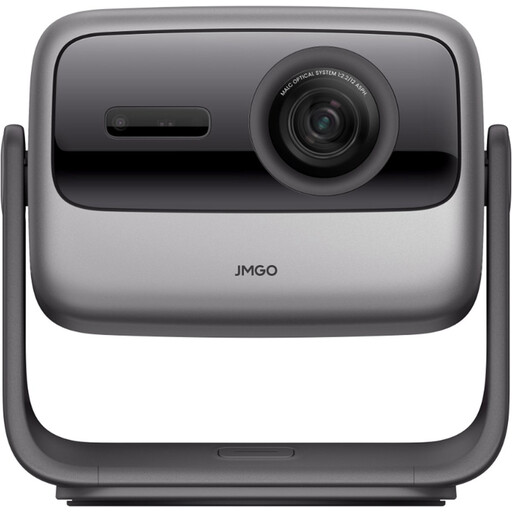 No image available
Consider this option if you’re looking for a 4K projector and want to weigh its stated brightness against the daylight in your room.
The product information lists 3,000 ANSI lumens, 4K UHD, an adjustable gimbal and automatic keystone correction.
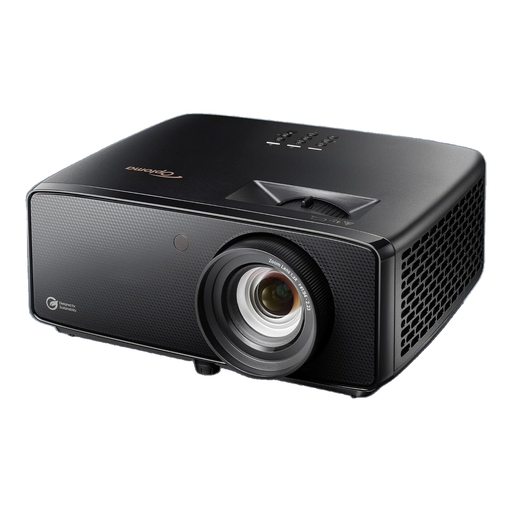 No image available
Compare this model if you can make room for the required projection distance and want to factor in its stated light output for daytime films.
The product information lists a laser light source, 3,500 lumens, 4K UHD and a throw ratio of 1,21:1–1,59:1. The stated projection distance ranges from 1 to 8 metres; the zoom is manual.
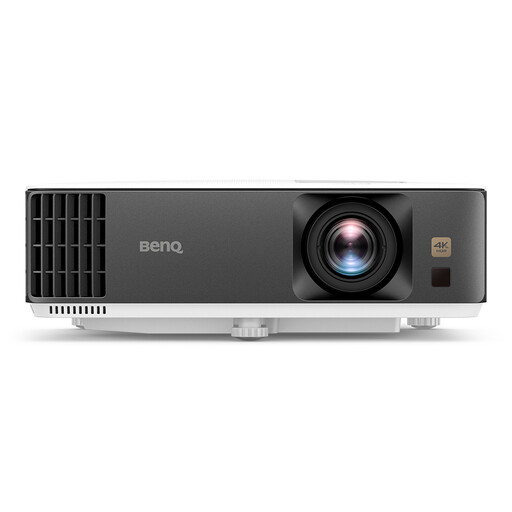 No image available
A standard projector to compare if you have a suitable place to set it up. Measure the distance before deciding on your preferred picture width.
The product name lists 3,200 ANSI lumens and UHD 4K. The product information mentions 1.3× zoom, automatic vertical keystone correction and a minimum placement distance of 1.5 metres for optimum picture quality.
 No image available
Before choosing this model for daytime films, compare its stated brightness with the amount of light reaching your screen.
The product information lists a laser light source, 1,200 ISO lumens, native 1080p and support for 4K HDR input. The throw ratio is 1,2:1.
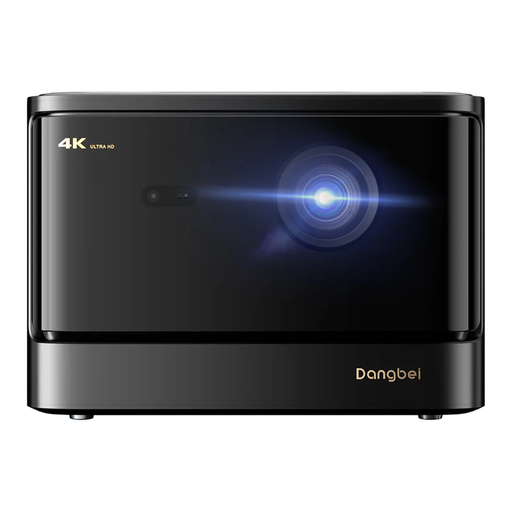 No image available
Include this model in your comparison if you want to weigh 4K against the conditions where you watch during the day.
The product information lists a laser light source, 2,450 ISO lumens, 4K and HDR10+.
No. A lumen rating alone can’t predict how visible the picture will be in your room. Ambient light and picture size also matter, so assess the light at the screen and see whether you can reduce it.
Measure your preferred picture width and the available distance from the wall, then check the throw ratio of the exact model. If you’re choosing an ALR screen, also check that it’s designed for the direction from which your projector casts the image.
Check the light source and the terms offered by the model’s manufacturer and seller. According to the Dutch government, products bought in the Netherlands are covered by a statutory guarantee of quality, but there is no fixed statutory guarantee period; if there’s a problem, contact the seller.
According to the Dutch government, purchases made remotely from a business usually come with a 14-day cooling-off period. There are exceptions, so check which terms apply to your specific purchase.
Products covered by harmonised EU rules that require CE marking must meet the requirements applicable to their product category. The CE marking doesn’t tell you how well the projector displays films.