
Vandaag of morgen in huis

Kwaliteit gegarandeerd

Welkomstaanbiedingen ontgrendelen: GRATIS bezorging | Tot 80% korting | Gratis 30 dagen JoyPlus-proefperiode
Download de app
The days are getting shorter, and the lack of sunlight is starting to take its toll. Many people experience a dip in their energy levels and mood during the darker months, often called the winter blues or even Seasonal Affective Disorder (SAD). A daylight lamp can be a practical solution, but the market is flooded with products that overpromise and underdeliver. Before you make a purchase, it's crucial to know what to look for to avoid wasting money on an ineffective product.
As a Joybuy Product Recommendation Officer, I'm here to help you separate the facts from the marketing hype. Here are the most common pitfalls and the specifications that truly matter.
To avoid a bad purchase, always check the following three points. These are the non-negotiable features of a functional daylight lamp for light therapy at home.
The effectiveness of a lamp for winter depression is measured in lux. For a noticeable effect, an intensity of 10,000 lux is recommended. Pay close attention to the manufacturer's specifications: at what distance is this intensity achieved? A practical distance is between 15 and 30 cm. If you have to place the lamp further away, the effective lux value decreases rapidly.
Sunlight contains ultraviolet (UV) radiation, which can be harmful. A reliable daylight lamp filters this radiation out completely. Look explicitly for the "UV-free" or "100% UV-filtered" label. Additionally, a CE marking indicates that the product complies with European safety standards. This is especially important for a device you use daily near your face.
Think about where and when you plan to use the lamp. A compact, portable model is ideal for a desk at work or for taking with you when you travel. Larger models often have a wider illumination surface, which can be more comfortable for longer sessions. Simple one-button operation and a stable stand (for both horizontal and vertical placement) enhance daily usability.
Not every "bright" lamp is a daylight lamp. To help you make the right choice, we've analysed several products. Below is a suitable option and examples of products that are often mistakenly considered for this purpose.
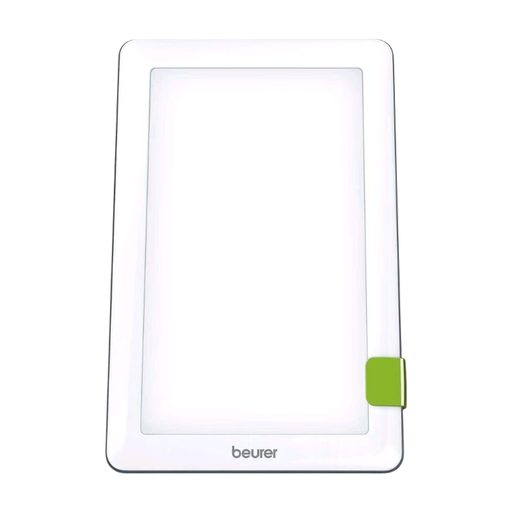
Why This Fits Their Persona: This product is specifically designed as a Beurer daylight lamp for those seeking an effective and safe solution for the winter blues. Its compact size makes it ideal for use on a desk or a small table.
This is not an ambient light. According to the manufacturer, it simulates sunlight with an intensity of 10,000 lux at a realistic distance (15-20 cm) and is UV-free and flicker-free. It is CE-certified as a medical device.
Compact and portable design (20 x 12 cm). Simple one-button operation and a versatile stand for both horizontal and vertical use.
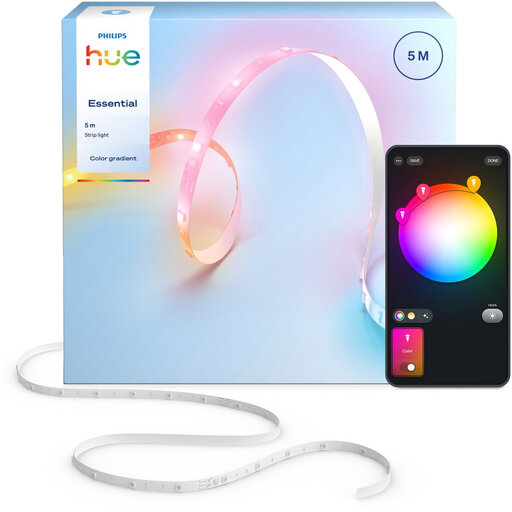
Why This Fits Their Persona: Ideal for those who want to decorate their home with colourful, smart lighting. Perfect for behind a TV or under a bookshelf to create a specific atmosphere.
This product perfectly illustrates the difference between ambient and therapy lighting. It is designed for decoration and not to deliver the intensity and spectrum of a daylight lamp. It is not a SAD lamp.
Millions of colours, dimmable, and controllable via an app. Excellent for personalising the atmosphere in a room, but unsuitable for light therapy.
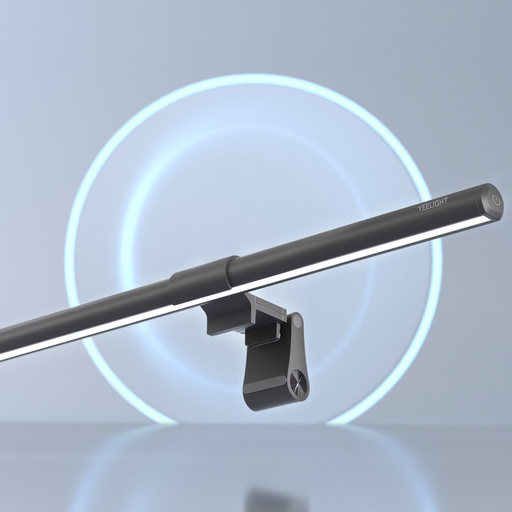
Why This Fits Their Persona: An office worker or gamer looking for an ergonomic lighting solution to illuminate their desk without screen glare.
This product is designed to direct light downwards, onto the desk. It is not meant to shine in your face and does not have the required 10,000 lux intensity for effective light therapy.
Improves workspace ergonomics with focused, glare-free lighting. An excellent tool for productivity, but not a substitute for a daylight lamp.
Choosing the right lighting can make a huge difference. If the examples above aren't exactly what you're looking for, explore our full range.
For a 10,000 lux lamp, a session of 20 to 30 minutes per day is generally recommended, preferably in the morning. This helps regulate your biological clock. Always read the specific manufacturer's manual, as the recommended duration may vary.
Yes, provided it is a certified and UV-free product. You are not supposed to stare directly into the lamp. Position the lamp at an angle in front of you, so the light falls on your face while you perform other activities, such as reading, eating breakfast, or working. Discontinue use if you experience discomfort and consult a doctor if you have a pre-existing eye condition.
A daylight lamp is designed for a short, intense exposure to bright light to influence your energy levels and mood. A wake-up light simulates a sunrise by gradually increasing the light intensity, aiming to wake you up more naturally. Although both use light, they have different purposes and functions.
