
Vandaag of morgen in huis

Kwaliteit gegarandeerd

Welkomstaanbiedingen ontgrendelen: GRATIS bezorging | Tot 80% korting | Gratis 30 dagen JoyPlus-proefperiode
Download de app
A good day cream that both hydrates your skin and protects it from the sun sounds like the perfect, simple solution. Yet, the search for the right day cream with SPF is often unnecessarily complicated. Brands make all sorts of promises, but what do you really need? Many products aren't worth the money due to clever marketing or impractical formulas. Let's go over the most common pitfalls so you can make a purchase your skin will truly love.
Pitfall 1: The "SPF is everything" misconception. A high SPF is important, but it's not the only thing that matters. Some creams with day cream SPF 50 are thick, leave a white cast, or don't work well with makeup. This might tempt you to use less, which in turn reduces the protection. A pleasant-to-apply day cream SPF 30 that you use consistently every day often provides better protection in practice.
Pitfall 2: Paying for exotic "wonder ingredients." Marketing departments love rare plant extracts with complicated names. While these can sometimes be beneficial, it's often the proven, less glamorous ingredients that do the real work. Think of hyaluronic acid for hydration or niacinamide for an even skin tone. Focus on what works, not on what sounds exotic.
Before you choose a face cream with SPF, there are a few specifications you should check. These determine whether a product is suitable for your skin and lifestyle.
The Sun Protection Factor (SPF) indicates how well a product protects against UVB radiation, the type that causes sunburn.
Just as important is protection against UVA radiation, which penetrates deeper into the skin and is the primary cause of skin ageing (wrinkles and dark spots). Always choose a cream that offers broad-spectrum protection. This is often indicated by the UVA logo (the letters UVA in a circle).
A cream can have the right SPF, but if the formula doesn't suit your skin, it won't do you much good. Look at the ingredients list to find the right match:
hydrating day cream with ingredients like hyaluronic acid, glycerin, ceramides, or nourishing oils (such as argan oil or shea butter). These help lock in moisture and strengthen the skin barrier.day cream for sensitive skin that is fragrance-free. Ingredients like panthenol, allantoin, and licorice root extract are known for their soothing properties.anti-wrinkle day cream with SPF often contains active ingredients. Pro-retinol and bakuchiol (a plant-based alternative) can support cell renewal. Peptides help keep the skin firm.day cream for dark spots may contain ingredients like niacinamide (vitamin B3) or patented complexes such as Thiamidol (LUMINOUS630), which the manufacturer claims helps reduce the appearance of spots.To get you started, we've highlighted some popular choices and matched them with different user profiles.
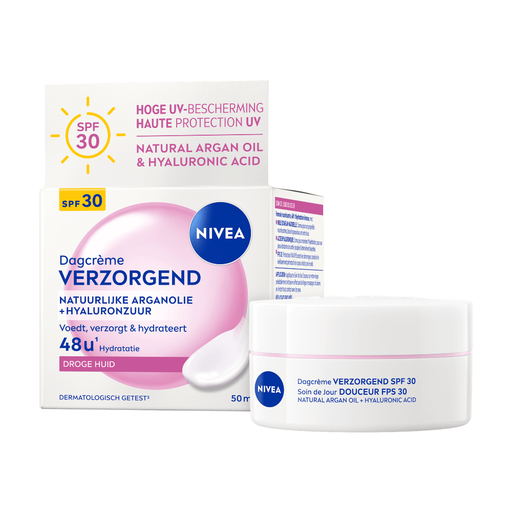
Why This Fits Their Persona: Perfect for those looking for a reliable, affordable, and hydrating day cream for daily use. No frills, just a solid product that nourishes dry skin and protects it from daily sun exposure.
This product proves you don't have to spend a fortune for effectiveness. It focuses on proven ingredients like hyaluronic acid and argan oil instead of expensive marketing hypes.
Offers solid SPF 30 broad-spectrum protection and a formula that, according to NIVEA, provides 48 hours of intense hydration, ideal for dry skin.
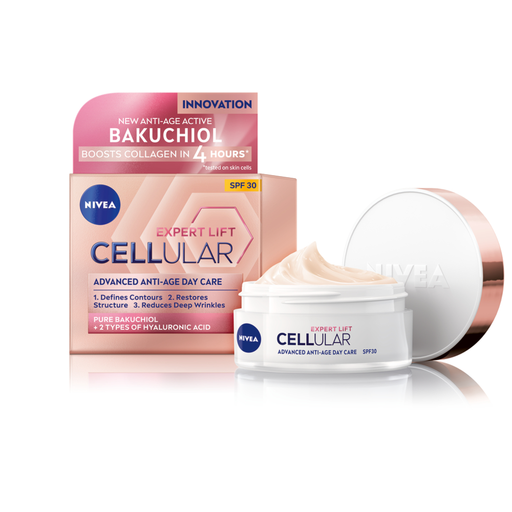
Why This Fits Their Persona: For those who expect more from a day cream than just hydration and protection. This cream is focused on actively targeting wrinkles and improving facial contours.
This debunks the myth that a 2-in-1 product can't be powerful. It combines an effective SPF 30 with Bakuchiol, a well-known plant-based anti-wrinkle ingredient, for a targeted approach.
The formula contains pure Bakuchiol and two types of hyaluronic acid. According to NIVEA, this supports the cell's collagen production and visibly reduces deep wrinkles.
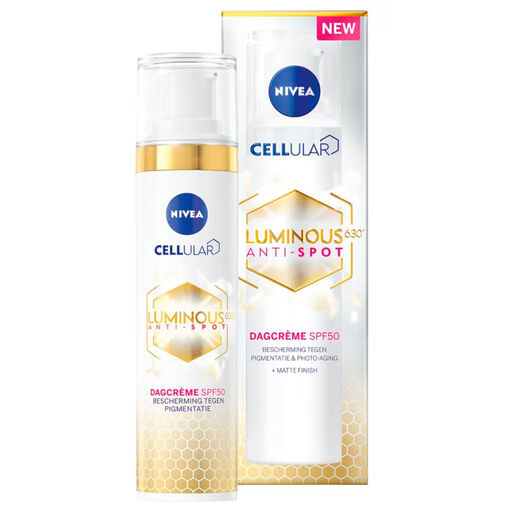
Why This Fits Their Persona: Ideal for those who want to combine maximum sun protection with a targeted approach to dark spots. This cream addresses existing spots and helps prevent new ones from forming.
This product shows that a high SPF can be combined with a specific action. The patented ingredient LUMINOUS630 offers added value over a standard sunscreen.
Combines a high day cream SPF 50 with a formula that, according to NIVEA, reduces the appearance of dark spots. The lightweight texture provides a matte finish.
We have compiled a complete and up-to-date overview of products that meet these objective selection criteria and current guidelines.
For a normal day with a daily commute and limited time outdoors, a day cream with SPF 30 or higher is usually sufficient, provided you apply enough (about half a teaspoon for your face and neck). If you're going to be in the sun for an extended period, like at the beach or on a patio, it's wise to reapply a separate, dedicated sunscreen every two hours for guaranteed protection.
SPF 30 filters out about 97% of UVB rays, while SPF 50 filters out about 98%. The difference seems small, but for people with very fair or sun-sensitive skin, that extra percentage of protection can make a difference. For most people, a day cream SPF 30 is an excellent choice for daily protection in most climates.
You can, but it's not recommended. You don't need the SPF filters in the cream at night, and they can unnecessarily burden the skin. A night cream is specially formulated without SPF and often contains ingredients that support the skin's recovery process overnight. It's better to use a product designed for nighttime use.
