
Vandaag of morgen in huis

Kwaliteit gegarandeerd

Welkomstaanbiedingen ontgrendelen: GRATIS bezorging | Tot 80% korting | Gratis 30 dagen JoyPlus-proefperiode
Download de app
A day cream with SPF combines daily hydration with protection against UV radiation. That sounds simple enough, but the options vary widely in texture, protection factor, ingredients and skin type. A light cream for normal skin feels completely different to a nourishing day cream for dry skin. Likewise, an anti-ageing day cream isn't automatically right for everyone.
The following pitfalls often crop up when comparing a face cream with sun protection.
SPF 15, SPF 20, SPF 25 and SPF 30 do not offer the same level of protection against UV exposure. An SPF in a day cream is intended for everyday use, for example during your commute or a short walk. If you're spending extended time outdoors, exercising, swimming or in strong sunlight, a separate sun product is usually more practical.
Also check whether the packaging mentions protection against both UVA and UVB. Apply the cream evenly and generously, and follow the instructions for use. Reapplication may be necessary after sweating, towel-drying or prolonged exposure.
A nourishing face cream with shea butter, argan oil or squalane can feel lovely on dry skin. However, on combination or oilier skin, such a texture can feel heavy. If you buy a cream based solely on an anti-wrinkle claim, you might not pay enough attention to the skin type information.
So look out for terms like:
Brands are allowed to describe results from their own studies or consumer tests, but those results aren't automatically the same for everyone. According to NIVEA's own research, some Q10 formulas may, for example, show a visible reduction in fine lines within a certain period. For some products, this is based on an in-vitro test on skin cells or a consumer test with a limited number of participants.
So treat an anti-wrinkle cream as a skincare product with ingredients and properties that match your preferences, not as a guarantee of a specific result. Pay attention to the full product information, the duration of use and your skin's tolerance.
For daily use in the UK, many shoppers choose an SPF 15 face cream or an SPF 30 face cream. SPF 30 is a sensible choice if you're outdoors more often or want higher protection in your morning routine. No SPF offers complete protection against UV radiation. So avoid prolonged, intense exposure and also protect your skin with clothing, a hat or shade.
A face cream with hyaluronic acid can help your skin feel comfortable and hydrated. Glycerin is a commonly used moisturising ingredient. Q10, vitamin C, vitamin E and creatine often appear in formulas aimed at a fresher or firmer appearance. According to the brands' own information, these ingredients support their skincare concept; results can vary from person to person.
For dry skin, argan oil, shea butter and squalane are interesting ingredients to compare. If you're mainly after a light formula, look for terms like "sorbet", "oil-free" or "fast-absorbing". Always check the current ingredients list on the packaging, as formulas can change.
Most products in this selection contain 30, 50 or 75 ml. A 50 ml pot fits easily into a daily routine, while a pump bottle can feel more hygienic. Perfume is a welcome scent for some users, but may be less suitable for others. Stop using the product if irritation occurs and avoid contact with the eyes.
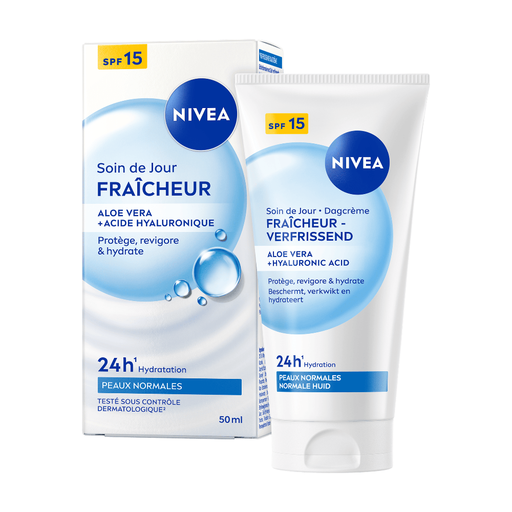
Why this fits the profile: A light day cream for normal skin with SPF 15, vitamin E, magnolia and lotus extract according to the product description.
The skin type information and light texture make it easier to avoid a cream that's too heavy for daily use.
50 ml, SPF 15, hyaluronic acid in the ingredients list and a fast-absorbing formula according to NIVEA.
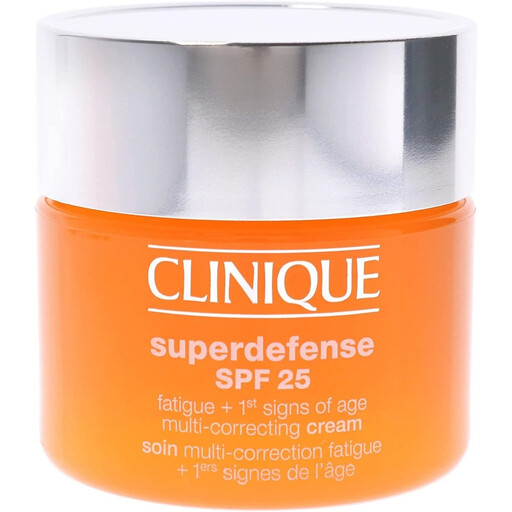
Why this fits the profile: A fragrance-free and alcohol-free cream with SPF 25 for normal to dry skin according to the product specifications.
The SPF 25 and clear skin type information help you compare protection and texture, without relying solely on anti-ageing language.
30 ml, SPF 25, fragrance-free formula and antioxidants according to the product information.
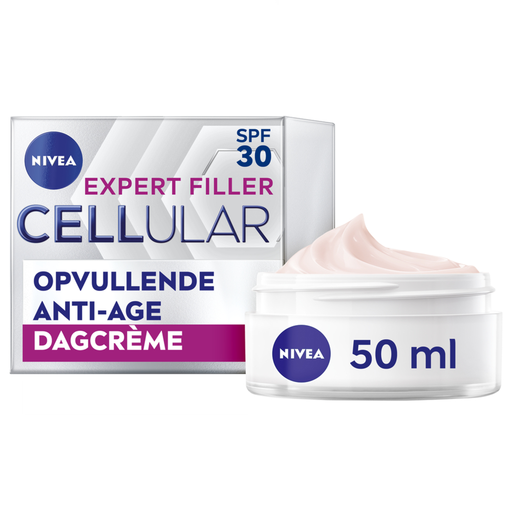
Why this fits the profile: Ideal for anyone looking for an anti-ageing day cream with SPF 30 and hyaluronic acid for more mature skin.
The SPF 30 is clearly stated and the formula is linked to a specific skin goal, rather than a general claim for every skin type.
50 ml, SPF 30, hyaluronic acid and folic acid according to the ingredients list and product description.
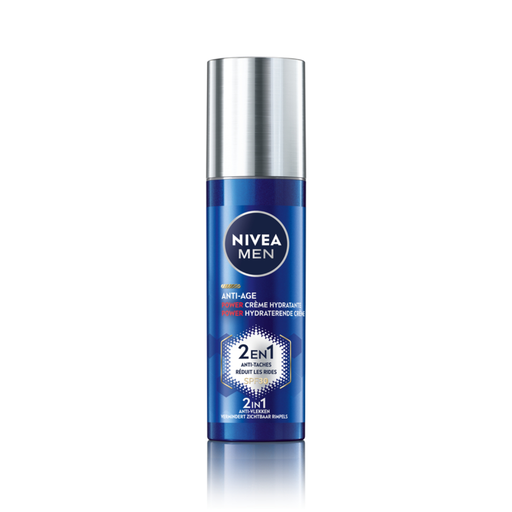
Why this fits the profile: A day cream for men who want to combine hydration, SPF 30 and a formula with hyaluronic acid.
The combination of skincare and protection is straightforward, while SPF 30 is suitable for anyone who spends more time outdoors each day.
50 ml, SPF 30, hyaluronic acid and use on face and neck according to the product instructions.
We've put together a full, up-to-date list of products that fully meet these strict selection criteria and comply with current European safety regulations.
That depends on the situation. For short daily exposure, a day cream with SPF can be practical. For trips to the beach, cycling, walking or spending extended time outdoors, it's better to choose a separate sun product with appropriate protection. Apply enough and reapply according to the instructions on the packaging.
Yes. Generally, apply a serum to clean skin and then use the day cream with SPF. Give each layer a moment to absorb. Check that the combination feels comfortable and stop if irritation occurs.
Check the expiry date, the batch number and the symbol for the period after opening on the packaging. Store the cream at room temperature, away from direct sunlight and heat. A change in smell, colour or texture could be a reason not to use the product any further.
